What is Alfalfa Sprouts? Alfalfa sprouts are the germinated seeds of the Medicago sativa plant, also known as lucerne, belonging to the Fabaceae or pea family. These immature shoots are harvested within 3 to 6 days …
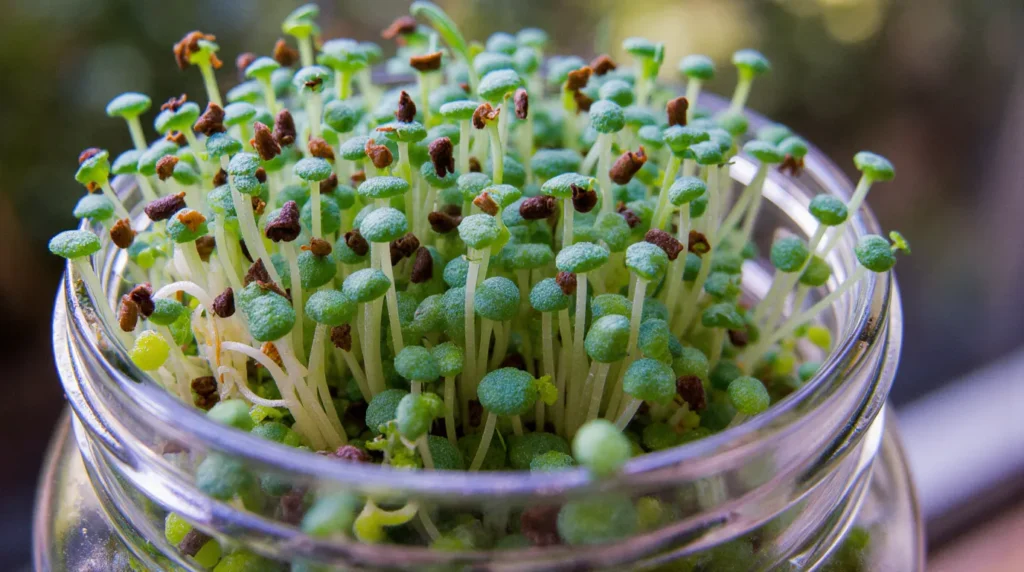

Table of Contents
What is Alfalfa Sprouts?
Alfalfa sprouts are the germinated seeds of the Medicago sativa plant, also known as lucerne, belonging to the Fabaceae or pea family. These immature shoots are harvested within 3 to 6 days after sprouting, before the plant matures and develops its characteristic bitter taste. The sprouts feature thin, white, flexible stems ending in small clusters of tiny green leaves, typically measuring 5 to 12 centimeters in length.
Nutritionally, raw alfalfa-sprouts are 93% water, 2% carbohydrates, 4% protein, and contain negligible fat. A single cup (33 grams) provides merely 8 calories, along with 1 gram of protein and 1 gram of carbohydrates derived from fiber. Despite their low caloric content, these sprouts deliver significant nutritional value, containing vitamin K (29% of Daily Value per 100g serving), vitamin C, B vitamins, phosphorus, zinc, copper, folate, iron, magnesium, and manganese.
Alfalfa sprouts possess a mild, nutty, and subtly sweet flavor with fresh green nuances, complemented by a crisp, tender texture. Their delicate nature makes them versatile additions to various culinary preparations. Unlike the mature alfalfa plant, which is primarily cultivated as livestock feed due to its bitter taste, the sprouts are specifically grown for human consumption.
These sprouts have a rich historical background. Considered one of the most ancient plants globally, alfalfa earned the Arabic name “al-fac-facah,” meaning “the father of all foods,” highlighting its exceptional nutritional properties. In Asia, alfalfa-sprouts have been consumed as traditional food since ancient times, with physicians recognizing their healing potential thousands of years ago. During World War II, researchers identified bean sprouts, including alfalfa, as easily cultivated, nutritious food sources during resource scarcity.
Beyond their nutritional profile, alfalfa-sprouts contain bioactive plant compounds including saponins, coumarins, flavonoids, phytosterols, phytoestrogens, and alkaloids[33]. The sprouting process enhances nutritional bioavailability by converting starches into simple sugars, making them easier to digest compared to unsprouted seeds.
Health Benefits of Alfalfa Sprouts
The nutritional profile of alfalfa-sprouts delivers a remarkable range of health benefits, making them a valuable addition to any wellness-focused diet.
1. Supports heart health
Alfalfa sprouts contain saponins that effectively lower cholesterol levels by decreasing absorption in the intestines. These compounds help reduce LDL (bad) cholesterol while simultaneously increasing HDL (good) cholesterol. Studies dating back more than 40 years have confirmed these cholesterol-lowering properties, thereby protecting against plaque formation in arteries. Furthermore, alfalfa sprouts help maintain healthy blood pressure levels through their antioxidant content.
2. Helps manage blood sugar
The fiber-rich composition of alfalfa-sprouts slows glucose absorption in the gut, contributing to blood sugar regulation. Research indicates that alfalfa may repair and preserve insulin-producing islet cells in the pancreas. Additionally, a 2015 study published in the Pakistan Journal of Pharmaceutical Sciences found that alfalfa significantly reduces blood glucose levels. This makes these sprouts particularly beneficial for individuals managing diabetes.
3. Boosts immunity
A single serving of alfalfa sprouts provides approximately 15% of the daily recommended vitamin C intake. This essential nutrient stimulates white blood cell production, strengthening the body’s defense against infections. Moreover, alfalfa-sprouts contain 36mg of vitamin C per 100g, working alongside folate to support immune function.
4. Aids digestion
The substantial fiber content in alfalfa-sprouts promotes regular bowel movements and helps prevent constipation. These sprouts contain important digestive enzymes including amylase, invertase, and pectinase that facilitate nutrient breakdown. Consequently, they contribute to overall gastrointestinal health by reducing digestive distress.
5. Promotes healthy skin and hair
Rich in vitamins A, C, E, and K, alfalfa sprouts provide essential nutrients for skin cell regeneration. Their antioxidant properties fight oxidative stress that can prematurely age hair and skin cells. Studies suggest that alfalfa extract may accelerate wound healing and promote cellular regrowth.
6. Supports pregnancy with folate
Alfalfa sprouts deliver 120μg of folate per 100g—more than 25% of the recommended dietary intake. This crucial nutrient supports fetal development and helps prevent birth defects. Essentially, the sprouts also contain omega-3 fatty acids that contribute to brain and retina development in unborn babies.
7. Helps in weight management
With merely 8 calories per cup (33 grams), alfalfa sprouts are exceptionally low in calories. Their fiber content creates a feeling of fullness without significantly increasing caloric intake. The nutrients in alfalfa-sprouts may also boost metabolism, facilitating passive fat burning.
8. Rich in antioxidants
Alfalfa sprouts contain powerful antioxidants including flavonoids, phytoestrogens, phenolic acids, and saponins. These compounds neutralize harmful free radicals, protecting cells from damage. Primarily, this antioxidant activity helps lower the risk of chronic diseases such as cancer, heart disease, and Alzheimer’s.
How to Use Alfalfa Sprouts in Daily Meals
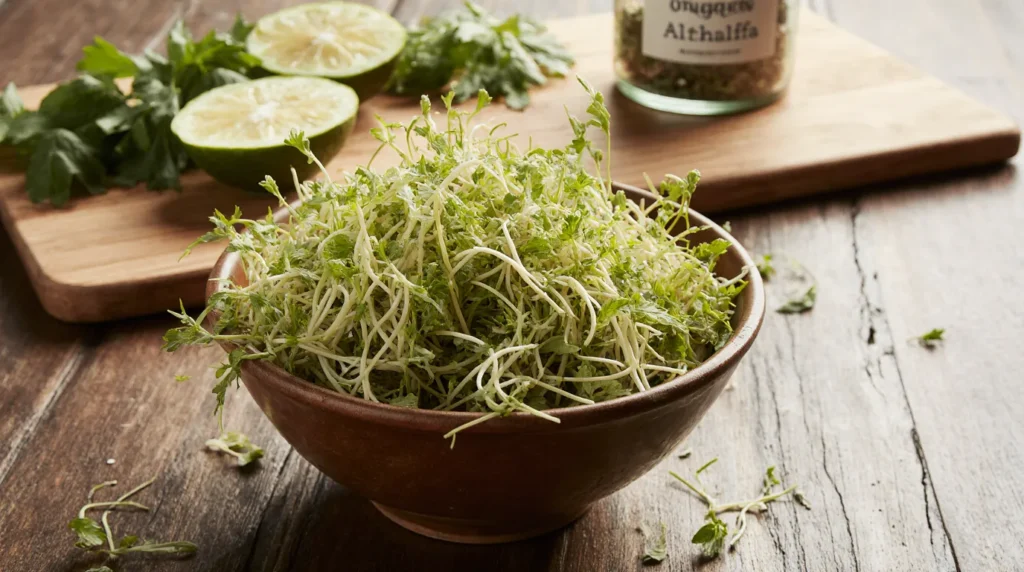
Integrating alfalfa sprouts into daily meals offers a convenient way to enjoy their nutritional advantages through diverse culinary applications.
Salads and sandwiches
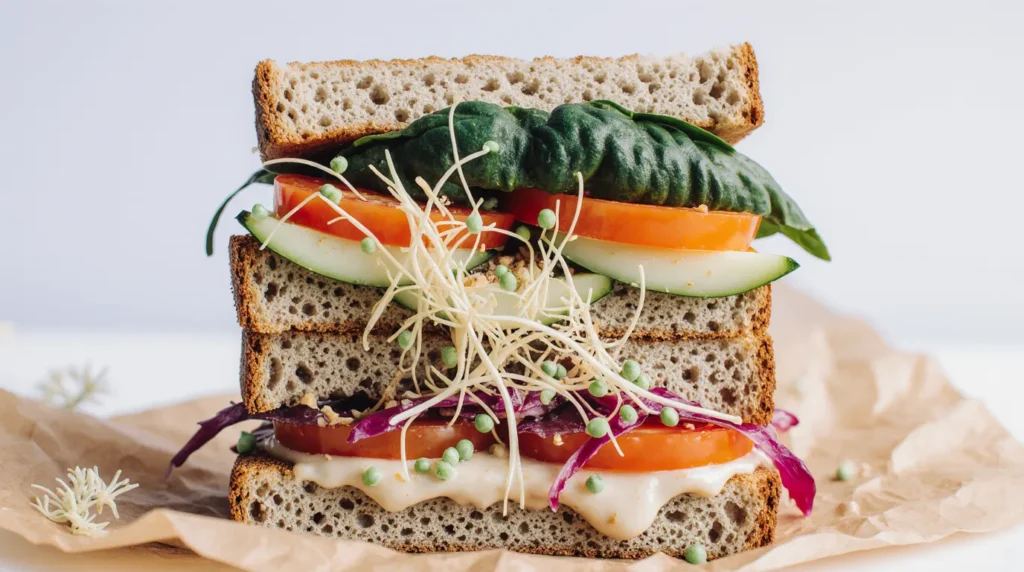
Alfalfa sprouts create a fresh, subtle crunch and add volume to sandwiches and salads, providing a pleasant textural component with an earthy flavor. Their raw texture is ultra crisp and delightfully vegetal, making them ideal for fresh consumption. When layered into sandwiches, burgers, wraps, or spread on toast, these sprouts enhance everyday meals while contributing additional nutrients like calcium, magnesium, phosphorus, potassium, and folate. Their mild, slightly nutty taste complements other ingredients in coleslaws and makes them excellent alternatives to lettuce.
Smoothies and juices
For nutrient-dense beverages, alfalfa sprouts blend seamlessly into green smoothies. A standard recipe might include 2 cups fresh alfalfa sprouts combined with other raw, primarily green ingredients to avoid sugar overload. More specific combinations pair alfalfa sprouts with ingredients like ripe banana, avocado, fresh spinach, and juiced oranges. The sprouts add significant nutritional value through complex blends of vitamins, enzymes, and antioxidants.
Soups and garnishes
Adding alfalfa sprouts to soups introduces textural variety while maintaining nutritional integrity. Typically, sprouts are mixed into soup after cooking is complete—the residual heat slightly cooks them without eliminating their crunch. Hence, they remain crisp even after gentle heating. Alternatively, placing sprouts in an oven briefly “toasts” them, creating a crispy texture while eliminating potential bacteria.
Tacos and wraps
Alfalfa sprouts enhance tacos and wraps with their textural qualities. A creative recipe combines sprouts with diced strawberries and avocado in mini corn tortillas. Notably, they pair excellently with ingredients like guacamole, broccoli, spinach, and green chili sauce in vegan wraps.
Sprout tea and powder blends
Alfalfa can be consumed as tea or powder supplement. For tea preparation, one teaspoon of alfalfa powder mixed with boiling water and steeped for 3-5 minutes creates a nutrition-boosting beverage. Primarily, alfalfa powder integrates into smoothies—one tablespoon combined with 340g of juice creates a nutritious blend.
FAQs
Q1. Are alfalfa sprouts safe for daily consumption? While alfalfa sprouts are nutritious, it’s best to consume them in moderation. Daily intake in small amounts, such as in salads, can be beneficial for curbing hunger and providing nutrients. However, it’s important to ensure they’re properly washed and sourced from reputable suppliers to minimize any potential risks.
Q2. What led to the reduced availability of alfalfa sprouts in stores? Many grocery stores became hesitant to stock alfalfa sprouts due to multiple food safety recalls. Concerns about contamination with bacteria like E. coli, Listeria, and Salmonella led some markets to view sprouts as a potential liability, resulting in reduced availability.
Q3. Do alfalfa sprouts have detoxifying properties? Alfalfa sprouts may have mild diuretic effects, which can support the body’s natural detoxification processes. They contain nutrients and compounds that support overall health, including liver function and kidney health. However, they should not be relied upon as a primary method of detoxification.
Q4. How can alfalfa sprouts be incorporated into daily meals? Alfalfa sprouts are versatile and can be easily added to various dishes. They’re excellent in salads and sandwiches for a fresh crunch, can be blended into smoothies for added nutrients, used as a garnish for soups, incorporated into tacos and wraps, and even used to make nutritious teas or powder blends.
Q5. What are the key health benefits of consuming alfalfa sprouts? Alfalfa sprouts offer numerous health benefits. They support heart health by helping to lower cholesterol, aid in blood sugar management, boost immunity with their vitamin C content, promote digestive health through their fiber and enzymes, and provide antioxidants that help protect against chronic diseases. They’re also low in calories, making them beneficial for weight management.