Did you know that over the past six to seven years, gluten free bread has advanced so much that some varieties are now almost indistinguishable from traditional bread? Finding delicious gluten free bread options used …
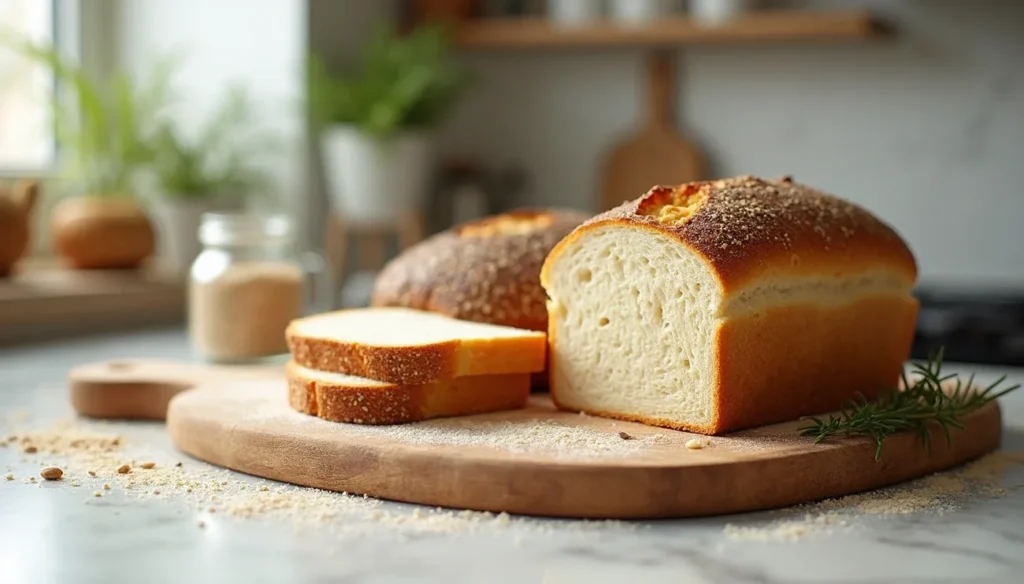

Did you know that over the past six to seven years, gluten free bread has advanced so much that some varieties are now almost indistinguishable from traditional bread?
Finding delicious gluten free bread options used to feel like searching for a needle in a haystack. However, today’s market offers impressive choices ranging from $5.99 to $7.99 per loaf, with standout brands like Canyon Bakehouse emerging as one of the most popular and recognizable names in the gluten free bread world. When it comes to the best tasting gluten free bread, Canyon Bakehouse Sweet Hawaiian ranked highest in overall score during comprehensive testing, while Little Northern Bakehouse White Wide Slice earned an impressive 71 out of 80 points in expert evaluations.
In this guide, we’ll explore the healthiest gluten free bread brands, compare the top gluten free bread options available today, and help you find alternatives that don’t sacrifice taste or texture. Whether you’re newly diagnosed with celiac disease or simply looking to upgrade your current gluten free bread selection, we’ve got you covered with detailed reviews and practical advice.
Table of Contents
What Makes a Good Gluten Free Bread?
Finding a good gluten free bread involves understanding key quality factors that set exceptional loaves apart from disappointing alternatives. Unlike conventional bread, gluten free options face unique challenges that impact their overall quality.
Taste and texture expectations
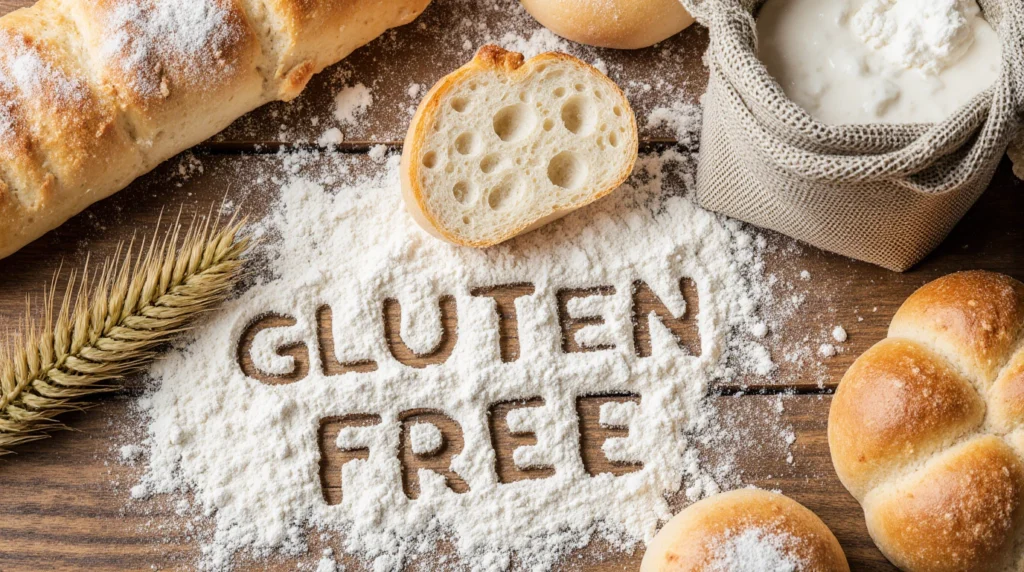
The absence of gluten significantly affects bread texture, making many products crumbly, prone to staleness, and less elastic. Truly excellent gluten free bread should deliver a soft, tender interior while maintaining a crusty, caramelized exterior. According to consumer studies, 70.8% of buyers express dissatisfaction with gluten free breads due to texture and taste issues.
Quality gluten free bread should offer the elasticity and flexibility that mimics wheat-based products. The best options avoid the common pitfalls of being dry, stale, or having a “sponge-like” consistency that consumers frequently cite as reasons for disliking certain brands. Furthermore, enriched varieties should remain soft and tender, while lean breads maintain that desirable crusty and tangy profile.
Nutritional value and ingredients
Nutritional composition represents another critical consideration. Research indicates gluten free bread typically contains lower protein content and higher fat levels compared to conventional bread. Additionally, many products rely heavily on starches that contribute to a higher glycemic index.
Quality options often incorporate beneficial additions like psyllium husk, which acts as a gluten substitute by forming a gel that provides elasticity. Superior products may also include fiber-rich ingredients such as flax seeds, chia seeds, or buckwheat flour to enhance nutritional value. Although 76% of gluten free breads contain added fiber (versus only 25% of wheat-based options), this typically comes from additives rather than the base flour itself.
Size, sliceability, and usability
Practical considerations equally matter when evaluating gluten free bread options. Many consumers note that gluten free bread slices tend to be noticeably smaller than conventional counterparts. This size difference affects satisfaction and utility—particularly for sandwiches.
Good gluten free bread maintains structural integrity when sliced and doesn’t crumble when spread with butter or used for sandwiches. Additionally, high-quality options should freeze well for extended storage, since freshness duration typically ranges from 2-4 days when stored properly at room temperature. For optimal slicing results, using a serrated knife rather than a smooth-blade prevents squishing the bread.
Top 8 Best Gluten Free Bread Options
Let’s explore the most exceptional gluten free bread brands that stand out in taste, texture, and quality. After testing numerous options, these eight selections represent the cream of the crop for different needs and preferences.
1. Canyon Bakehouse – Best for sandwiches
Canyon Bakehouse Country White bread excels as a sandwich foundation with its soft texture and familiar taste. Made with brown rice flour, tapioca flour, and whole grain sorghum flour, it maintains structural integrity whether used for sky-high sandwiches or melty grilled cheese. Many consumers claim it “tastes so much like a regular loaf of bread”, making the transition to gluten free eating nearly seamless.
2. Bread SRSLY – Best sourdough flavor
For authentic sourdough enthusiasts, Bread SRSLY delivers that distinctive tangy flavor often missing in gluten free options. Their bread undergoes a traditional 12-hour rise time, allowing the sourdough culture to properly ferment. Every loaf is “100% gluten-free, vegan, and crafted in a facility free from the top 9 allergens”, providing peace of mind alongside exceptional taste.
3. Little Northern Bakehouse – Best wide slice
Little Northern Bakehouse solves the common problem of tiny gluten free bread slices with their White Wide Slice bread. Specifically “made with sandwich-making in mind”, these generously sized slices contain brown rice, sunflower oil, and psyllium for stability and texture that stands up to hearty fillings.
4. AWG Bakery – Best grain-free option
Beyond merely gluten free, AWG Bakery produces completely grain-free bread (no rice, corn, or oats). Their handmade loaves use “Certified Organic ingredients you know and can pronounce”. Despite being grain-free, these nutrient-dense breads “do not fall apart when sliced thin”, a rare quality in alternative breads.
5. Happy Camper – Best allergy-friendly pick
Happy Campers offers USDA Organic Certified bread that’s “free from Top 9 Allergens”. Their formula incorporates ancient grains like quinoa, millet, and amaranth in eco-friendly packaging that “will completely break down in the landfill in less than 5 years”.
6. New Cascadia Traditional – Best artisanal loaf
New Cascadia Traditional creates gluten free artisan breads that rival their wheat-containing counterparts. Their Rustic Italian loaf features a “crisp and chewy” crust with a “light and airy” interior, delivering an authentic artisanal bread experience.
7. Outside the Breadbox – Best for toast
Outside the Breadbox produces bread that excels when toasted, offering “wholesome, delicious products with none of the allergens and all of the taste”. Expert reviews note it’s “soft, but not gummy” with “great texture” that makes it “the best sandwich bread”.
8. Promise Gluten Free – Best soft white bread
Promise Gluten Free’s Soft White Loaf provides exceptional softness with a “flavorsome fresh taste”. It remains “shelf stable for 21 days after thawing”, offering convenience alongside quality.
How to Choose the Right Bread for Your Needs
Selecting the perfect gluten free bread requires careful consideration beyond brand name alone. With numerous options available, understanding what to look for ensures you’ll find a loaf that meets both your dietary needs and taste preferences.
Check for allergens and dietary restrictions
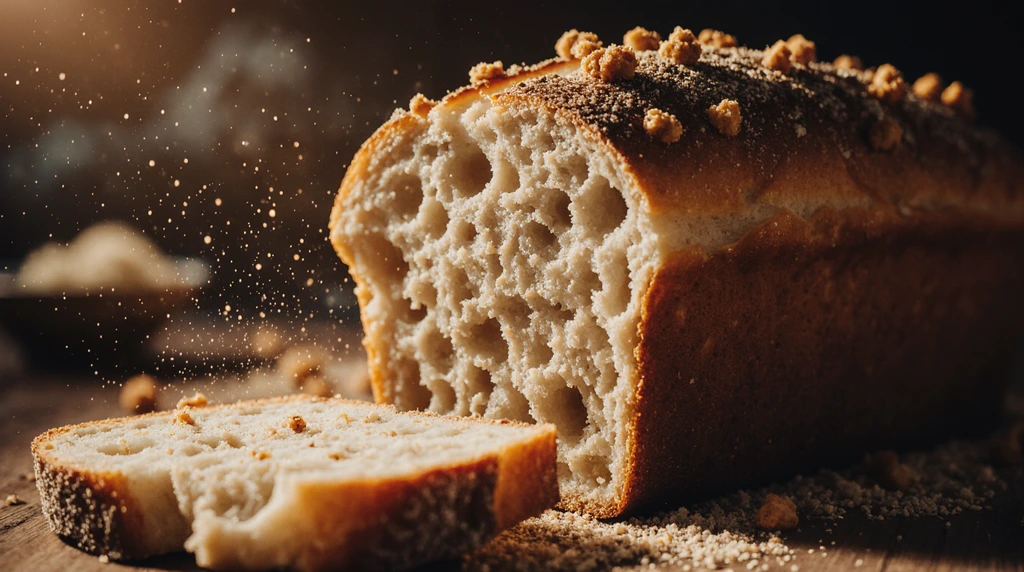
First, examine the product labeling thoroughly. The FDA allows packaged foods with less than 20 parts per million of gluten to be labeled “gluten-free”. Nevertheless, remember that “wheat-free” doesn’t necessarily mean “gluten-free”. For those with multiple sensitivities, verify if the bread accommodates other dietary restrictions—approximately 1.4% of the global population has celiac disease, yet many gluten free bread consumers have additional food sensitivities.
Look beyond the “gluten-free” label to identify potentially problematic ingredients:
- Check the allergen warning under the ingredients list for wheat
- Look for barley and rye in the ingredients (not included in allergen labeling)
- Only consume products containing oats if specifically labeled “gluten-free”
- Be cautious with ingredients like yeast extract and natural flavors if not labeled gluten-free
Compare ingredient quality and preservatives
Examine the nutritional profile carefully. Many gluten free breads contain higher fat content than conventional bread (on average 3.48g versus 2.47g per 100g). Furthermore, 94% of gluten free breads contain added fats compared to 64% of conventional breads.
Ingredients matter tremendously. Avoid products with artificial flavors, food gums, excessive preservatives, or highly processed additives. Instead, seek out breads with whole food ingredients like chickpea flour, amaranth, or psyllium, which naturally provide more fiber and improve overall nutritional quality.
Consider use case: toast, sandwich, or baking
Finally, match the bread type to your intended use. For sandwiches, select options that won’t crumble when handled. If you prefer toast, look for bread that achieves even crunch and golden color without becoming dry or hard. For general baking, consider bread with neutral flavor profiles that won’t compete with other ingredients.
When tested both toasted and untoasted, quality gluten free bread should maintain proper texture regardless of preparation method. Texture expectations should include good chew, appropriate crunch when toasted, and light internal structure without being overly crumbly or biscuit-like.
Tips for Getting the Most Out of Gluten Free Bread
Getting maximum enjoyment from gluten free bread requires proper handling, as these loaves behave differently from conventional bread. Mastering these storage and preparation techniques ensures you’ll enjoy every slice to its fullest potential.
How to store for freshness
Proper storage is crucial for maintaining gluten free bread quality. Unlike regular bread, gluten free varieties have a significantly shorter shelf life—typically just 2-3 days at room temperature when stored properly. For short-term storage, consider these options:
- Breadbox: Ideal for preserving freshness while allowing proper airflow, helping maintain the crust and prevent sogginess
- Airtight container: Useful for up to 3 days, protecting bread from drying out
- Paper bag: Allows for airflow while maintaining crust quality
Importantly, never store gluten free bread in the refrigerator, as this accelerates drying and staleness. Moreover, always ensure bread has completely cooled before storing to prevent moisture buildup and sogginess.
Toasting vs. eating fresh
Many gluten free breads perform differently depending on preparation method. Indeed, certain brands taste significantly better when toasted, transforming dry textures into delightful experiences. For instance, Aldi’s Live GFree bread improves dramatically with light toasting.
Conversely, brands like Canyon Bakehouse offer bread that’s “delicious straight from the bag and does not need to be toasted”. Essentially, experiment with both methods to determine your preference—some breads shine fresh while others reach their potential when toasted.
Freezing and reheating tips
Freezing remains the best long-term storage solution for gluten free bread. Before freezing:
- Allow bread to cool completely to prevent ice crystals
- Slice the entire loaf first—this is crucial for convenience
- Place wax paper between slices for easy separation
- Wrap tightly in plastic wrap or place in airtight freezer bags
- Label with the date (bread stays good for 3-8 months in the freezer)
For reheating, toast slices directly from frozen or thaw at room temperature. Generally, avoid microwave reheating unless followed by toasting, as it can create a gummy texture.
Conclusion
Finding delicious gluten-free bread certainly doesn’t have to be a challenge anymore. Throughout the years, manufacturers have significantly improved their recipes, creating options that rival traditional wheat-based loaves in both taste and texture. Undoubtedly, the market now offers something for everyone – whether you prefer sandwich bread, sourdough, or artisanal loaves.
After exploring various options, brands like Canyon Bakehouse, Bread SRSLY, and Little Northern Bakehouse stand out as industry leaders for good reason. These companies have mastered the difficult balance between texture, flavor, and nutritional value that gluten-free breads historically lacked.
Remember, choosing the right gluten-free bread depends primarily on your specific needs and preferences. Before purchasing, always check ingredient lists carefully, especially if you have additional dietary restrictions. Additionally, consider how you plan to use the bread – some varieties excel when toasted while others taste delicious straight from the package.
Proper storage techniques make all the difference when preserving freshness. Freezing sliced loaves remains the most effective method for long-term storage, while breadboxes or airtight containers work well for short-term use. Generally, avoiding refrigeration helps maintain optimal texture.
The gluten-free bread landscape has come a long way from the dense, crumbly loaves of the past. Therefore, don’t hesitate to experiment with different brands until you find the perfect match for your taste preferences. With so many excellent options now available, living gluten-free no longer means sacrificing the simple pleasure of enjoying delicious bread.
Key Takeaways
Modern gluten-free bread has dramatically improved, with top brands now offering taste and texture that rivals traditional wheat bread.
• Canyon Bakehouse leads for sandwiches, while Bread SRSLY excels in sourdough flavor and Little Northern offers wide slices • Check ingredients carefully – avoid high preservatives and look for whole food ingredients like psyllium husk and ancient grains • Freeze sliced loaves for 3-8 months storage; never refrigerate as it accelerates staleness and drying • Match bread type to intended use – some varieties taste better toasted while others excel fresh from the package • Verify true gluten-free status by checking for wheat, barley, and rye in ingredients, not just “wheat-free” labels
The gluten-free bread market now offers specialized options for every need, from grain-free varieties to allergy-friendly picks. With proper storage techniques and brand selection, you can enjoy delicious bread without compromising on taste or texture.
FAQs
Q1. What makes Canyon Bakehouse bread stand out among gluten-free options? Canyon Bakehouse, particularly their Country White bread, is known for its soft texture and familiar taste that closely resembles regular bread. It’s made with a blend of brown rice flour, tapioca flour, and whole grain sorghum flour, making it an excellent choice for sandwiches due to its structural integrity.
Q2. How long can gluten-free bread be stored at room temperature? Typically, gluten-free bread can be stored at room temperature for 2-3 days when properly stored. For longer storage, it’s recommended to freeze the bread, where it can last for 3-8 months.
Q3. Is toasting gluten-free bread necessary? Toasting isn’t always necessary, but it can improve the taste and texture of some gluten-free breads. Certain brands, like Aldi’s Live GFree, taste significantly better when lightly toasted. However, others, such as Canyon Bakehouse, are delicious straight from the package.
Q4. What should I look for when choosing a gluten-free bread? When selecting gluten-free bread, check for allergens and dietary restrictions, compare ingredient quality, and consider your intended use (sandwich, toast, or baking). Look for whole food ingredients like psyllium husk or ancient grains, and avoid products with excessive preservatives or artificial additives.
Q5. How does the nutritional content of gluten-free bread compare to regular bread? Gluten-free bread typically contains lower protein content and higher fat levels compared to conventional bread. On average, gluten-free bread contains 3.48g of fat per 100g, while conventional bread contains 2.47g. Additionally, 94% of gluten-free breads contain added fats compared to 64% of conventional breads.