Giniä has emerged as a revolutionary force shaping modern lifestyle solutions while carrying a rich tapestry of history that intertwines with various cultures. Throughout the centuries, this unique concept has evolved from its ancient roots into …


Giniä has emerged as a revolutionary force shaping modern lifestyle solutions while carrying a rich tapestry of history that intertwines with various cultures. Throughout the centuries, this unique concept has evolved from its ancient roots into something that now blends technology, sustainability, and user-focused design into one comprehensive platform.
However, despite its growing popularity, giniä is not widely recognized in mainstream English. As we explore this fascinating topic, we’ll address common questions like “mitä giniä gin toniciin” (what gin to use in gin tonic), “onko lonkerossa ginia” (is there gin in lonkero), and “paljonko lonkerossa on giniä” (how much gin is in lonkero). From its archeological origins to its modern adaptations, we’ll take you on a journey through the world of ginia and its significance in both traditional and contemporary contexts.
Table of Contents
The Origins and Evolution of Ginia
Tracing the linguistic footprint of ginia reveals fascinating insights into its ancient beginnings. The distinctive umlaut “ä” immediately points to Germanic, Finnish, or Estonian language influences, where diacritics significantly shape pronunciation and meaning. Although not established in these tongues as a formal word, the phonetic structure suggests deep European connections.
Ancient roots and early uses
Archeological evidence places ginia’s origins in regions celebrated for their vibrant cultural traditions. Some researchers believe the term stems from ancient proto-Eurasian dialects, where the root word “gin” meant “to transform” or “to spark”. These early connections potentially link giniä to Indo-European belief systems, where it represented spirits of balance between physical and ethereal realms.
In its earliest incarnations, ginia played an integral role in community rituals and gatherings. The food culture associated with giniä can be traced to ancient tribes who relied on local ingredients and cooking methods passed through generations. For these communities, ginia wasn’t merely a consumable—it embodied unity during celebrations and festivals.
Spread through trade and migration
As ancient civilizations developed established trade networks, giniä transcended its birthplace. Trade routes became critical channels for cultural exchange, allowing giniä to absorb influences while maintaining its distinct identity. Merchants carried this cultural treasure beyond its original borders, embedding it deeply in communities worldwide.
Furthermore, migration patterns during the Neolithic Revolution (around 10,000 BCE) accelerated this spread. As agricultural knowledge moved across continents, so too did cultural practices like giniä. This era marked humanity’s transition from nomadic hunter-gatherers to settled agricultural communities, creating stable environments where traditions could flourish.
Modern reinterpretations of tradition
Today’s understanding of giniä reflects centuries of evolution and adaptation. Some modern interpretations suggest giniä combines “genius” and “idea,” styled with an umlaut for visual distinction and global appeal. This modern framing aligns with its growing presence in creative and technological spheres.
For those wondering “mitä ginia gin toniciin?” (what gin to use in gin tonic) or “onko lonkerossa giniä?” (is there gin in lonkero), these questions reflect how deeply ginia has permeated contemporary culture—particularly in Nordic countries where drinks like lonkero (Finnish long drink) have become cultural staples.
The uniqueness of ginia isn’t just historical but also phonetic—when spoken, it begins with a soft “g” sound, transitions through vowel-rich middle notes, and finishes with the elegant “ä” (pronounced like “ah” in “sofa”), giving it a distinctly European flavor while remaining accessible to English speakers.
Cultural Role of Ginia in Communities

At the heart of many cultures lies giniä—not merely a culinary tradition, but a powerful social force that binds people together across generations. Throughout various societies, this concept has evolved into a cornerstone of cultural identity and communal bonding.
Symbol of unity in family gatherings
Family gatherings centered around ginia transform ordinary meals into meaningful experiences that strengthen kinship bonds. The preparation process itself becomes a small family reunion as cousins, grandparents, and neighbors crowd into kitchens, sharing responsibilities and stories. Rather than simply following written recipes, the knowledge of making giniä is passed down through direct experience—calloused hands of elders guiding younger ones, embedding care and cherished memories into every creation. This practice reinforces respect for tradition while creating spaces where elders share wisdom with younger generations, instilling pride in cultural heritage.
Giniä in festivals and storytelling
Festivals celebrate ginia’s cultural significance through vibrant displays of music, dance, and culinary excellence. In many communities, these colorful celebrations feature traditional performances that highlight rich historical narratives. One notable example is the Festival of Winds, where clans present symbolic seven-layer Drulmi pies—each layer representing core values like family, faith, courage, health, joy, gratitude, and memory. Storytelling sessions during these festivities allow elders to pass down tales about ginia’s significance, ensuring younger generations appreciate its role in shaping community identity. Consequently, these events transcend mere consumption, turning into living history experiences carried through taste.
Regional adaptations and identity
Across different regions, ginia has been adapted to reflect local customs and available resources, showcasing the creativity inherent in cultural practices. In indigenous communities, it embodies deep connections to land and tradition, signifying harmony with nature. Meanwhile, European interpretations often emphasize social equality and collective well-being. Additionally, its flexible interpretation gives ginia a certain universality that resonates across cultural contexts. This adaptability allows communities to maintain their distinct identities while participating in a shared tradition, essentially turning ginia into both a tangible creation and a symbolic representation of cultural values.
Forms and Variations: From Tradition to Trend
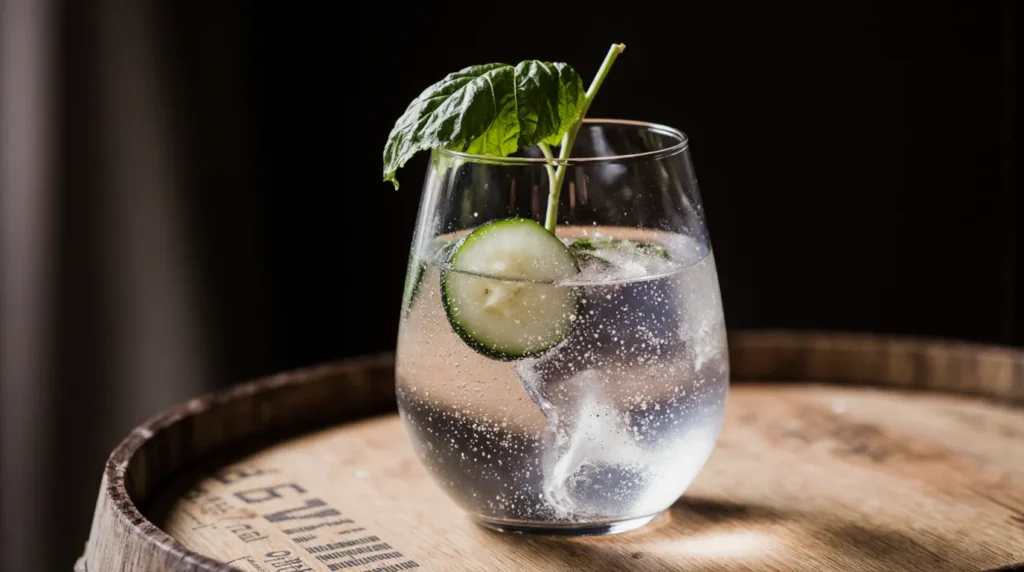
Ginia manifests in multiple forms across different regions, each expression reflecting unique cultural adaptations yet remaining faithful to its essence. Throughout history, this versatile cultural element has evolved from sacred ceremonies to everyday enjoyment.
Traditional ceremonial Giniä
Traditional Ginia typically appears as a ceremonial dish prepared with locally sourced ingredients that reflect community tastes. Often cooked in clay or iron pots, these preparations incorporate dates, cardamom, ginger, and wild herbs—ingredients that carry symbolic significance. Indeed, these ceremonial versions serve as living connections to ancestral practices, with each element carefully selected for both flavor and meaning.
Street food and dessert versions
In bustling urban centers, Ginia has transformed into convenient street food—quick to prepare yet retaining its distinctive character. These adaptations appeal to city dwellers seeking authentic flavors without sacrificing convenience. Correspondingly, dessert variations have emerged, featuring:
- Honey and dried fruit infusions
- Coconut milk blends for creamy textures
- Chilled preparations served with traditional flatbreads
Modern fusion and global twists
Talented young chefs, many educated internationally, have breathed new life into Ginia traditions. Moreover, these culinary innovators blend time-honored techniques with contemporary approaches—creating fusion mocktails with soda, hibiscus, or kombucha. Subsequently, these modern interpretations have introduced Ginia to global audiences without diminishing its cultural significance.
Onko lonkerossa giniä? Understanding its use in drinks
For those wondering “onko lonkerossa ginia?” (is there gin in lonkero?)—yes, traditional Finnish lonkero contains gin mixed with grapefruit drink. First created for the 1952 Helsinki Olympics, the most recognized version remains Hartwall Original Long Drink. Notably, Finnish lonkero consumption reached 28.4 million liters—approximately 5.5 liters per person—demonstrating its cultural importance. In response to “mitä ginia gin toniciin?” (what gin for gin tonic), preferences vary by region, with traditional recipes favoring botanically rich variants that complement the drink’s heritage.
Each variation tells a unique story about how Ginia adapts across contexts while maintaining its cultural integrity.
How to Make and Enjoy Giniä Today
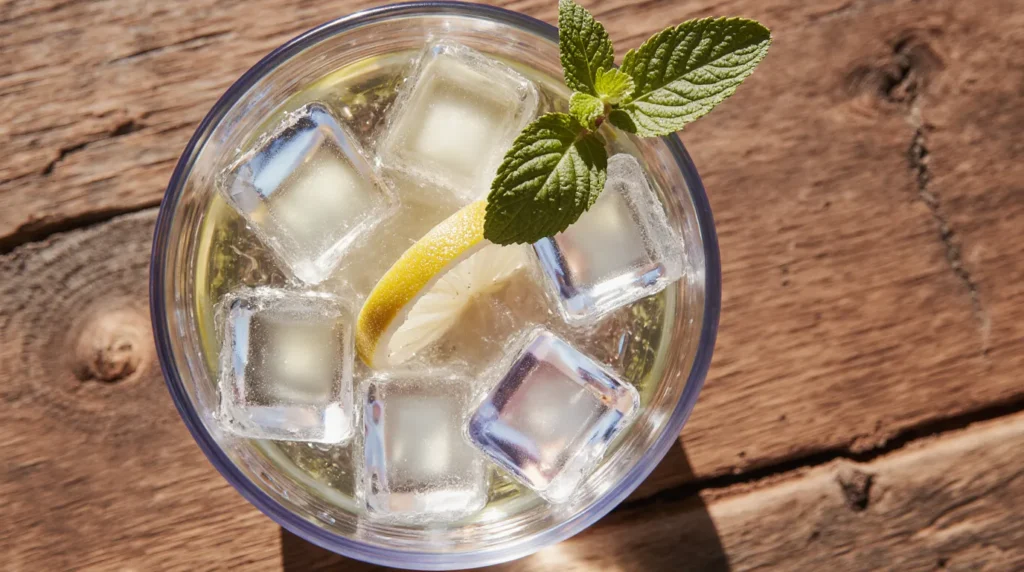
Creating the perfect ginia experience requires attention to detail, from proper ingredient selection to thoughtful presentation. Whether you’re crafting a classic gin and tonic or exploring creative food pairings, these guidelines will elevate your enjoyment.
Basic preparation steps
Crafting an excellent ginia-based drink starts with proper proportions. For a balanced gin and tonic, follow the golden ratio of one part gin to two parts tonic water. This foundation ensures neither component overwhelms the other. Firstly, select a quality gin that will serve as your base—this fundamental choice determines the drink’s character.
The preparation vessel matters equally. A highball glass gives your drink space to properly develop its flavors. Use large ice cubes instead of small ones to provide effective chilling with minimal dilution. To create a homemade version, sterilize a mason jar, add juniper berries (crushed lightly with a muddler), botanicals like coriander seeds and cardamom pods, then top with vodka. Allow this mixture to steep for 24 hours before adding citrus peels for another 12-24 hours.
Pairing ideas and serving tips
Food pairings unlock ginia’s full potential. Smoked salmon pairs effortlessly with gin’s botanical profile, whereas both strong and soft cheeses complement different aspects of its flavor spectrum. Accordingly, aged cheddar brings out herbal notes, while creamy brie mellows gin’s bittersweet characteristics.
For serving, temperature control is crucial—chilled glasses keep drinks colder longer. Garnishes should enhance rather than mask the spirit’s profile. Use woody herbs like rosemary or thyme for citrus-driven gins, whereas classic juniper-forward gins benefit from lemon, lime, or grapefruit accents.
Mitä giniä gin toniciin? Choosing the right gin
Choosing the ideal gin for your tonic essentially involves matching complementary flavor profiles. London Dry gins work well with classic tonics that respect their juniper-forward character. Conversely, floral gins pair beautifully with fragrant or jasmine-flavored tonic waters.
Beyond type, quality matters tremendously. Premium gins like Beefeater offer reliable performance in mixed drinks. The question “mitä giniä gin toniciin?” ultimately depends on personal preference, yet most bartenders recommend juniper-forward options that can stand up to tonic’s assertive flavor.
Conclusion
Ginia truly stands as a remarkable cultural phenomenon that has successfully bridged ancient traditions with modern sensibilities. Throughout our exploration, we’ve witnessed how this concept evolved from ceremonial roots into a versatile element embraced across different communities worldwide. The rich tapestry of ginia’s history demonstrates its remarkable adaptability while maintaining its essential character.
First and foremost, the cultural significance of ginia cannot be overstated. Family gatherings centered around this tradition create powerful bonds between generations, allowing wisdom to flow naturally from elders to youth. Meanwhile, festivals celebrating giniä transform ordinary communities into vibrant showcases of shared heritage and storytelling.
The various forms of ginia further prove its enduring appeal. Traditional ceremonial versions honor ancestral connections, while street food adaptations make this cultural treasure accessible to busy urban dwellers. Accordingly, creative chefs have breathed new life into ginia through fusion approaches that speak to contemporary tastes without sacrificing authenticity.
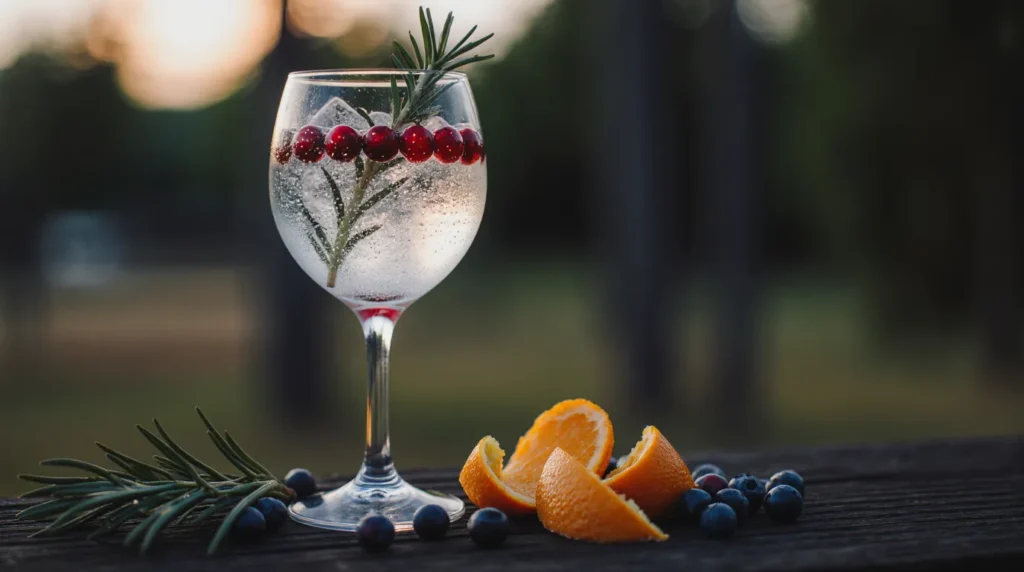
For those curious about Finnish drinks like lonkero, we’ve learned this popular beverage indeed contains gin mixed with grapefruit – a cultural staple since the 1952 Helsinki Olympics. The question “mitä ginia gin toniciin” reveals how deeply embedded these traditions are in everyday life, with each region developing distinct preferences that reflect local tastes.
Ginia thus represents something far greater than just a drink or concept – it embodies cultural resilience and adaptation. Though rooted in ancient practices, it continues to find new expressions that resonate with modern sensibilities. This remarkable journey from historical obscurity to contemporary relevance shows why ginia deserves recognition beyond its traditional boundaries.
As we embrace ginia in our lives today, we participate in a living tradition that connects us to countless generations before us while still offering fresh possibilities for personal enjoyment and cultural expression. This beautiful balance between honoring the past and embracing the future makes ginia a truly timeless phenomenon worth celebrating.
FAQs
Q1. What is ginia and where does it come from? Ginia is a cultural concept with ancient roots that has evolved over time. It originated in European regions and spread through trade and migration, becoming an important part of various communities’ traditions and identities.
Q2. How is ginia used in modern culture? Today, ginia is used in various forms, from traditional ceremonial dishes to modern fusion cuisine and drinks. It plays a significant role in family gatherings, festivals, and storytelling, and has been adapted to reflect local customs and available resources in different regions.
Q3. Is there gin in Finnish lonkero? Yes, traditional Finnish lonkero contains gin mixed with grapefruit drink. It was first created for the 1952 Helsinki Olympics and has since become a popular beverage in Finland.
Q4. What’s the best way to prepare a ginia-based drink? To prepare a ginia-based drink like a gin and tonic, use a ratio of one part gin to two parts tonic water. Choose a quality gin, use large ice cubes, and serve in a highball glass. Garnishes should complement the gin’s flavor profile.
Q5. How has giniä adapted to modern trends? Giniä has adapted to modern trends through fusion cuisine, creative cocktails, and global interpretations. Chefs and mixologists are blending traditional techniques with contemporary approaches, introducing giniä to global audiences while maintaining its cultural significance.