A permanent retainer is like a silent guardian for your smile after you've had braces or other orthodontic treatments. It's a custom wire that is fitted behind your teeth and bonded in place, working around …
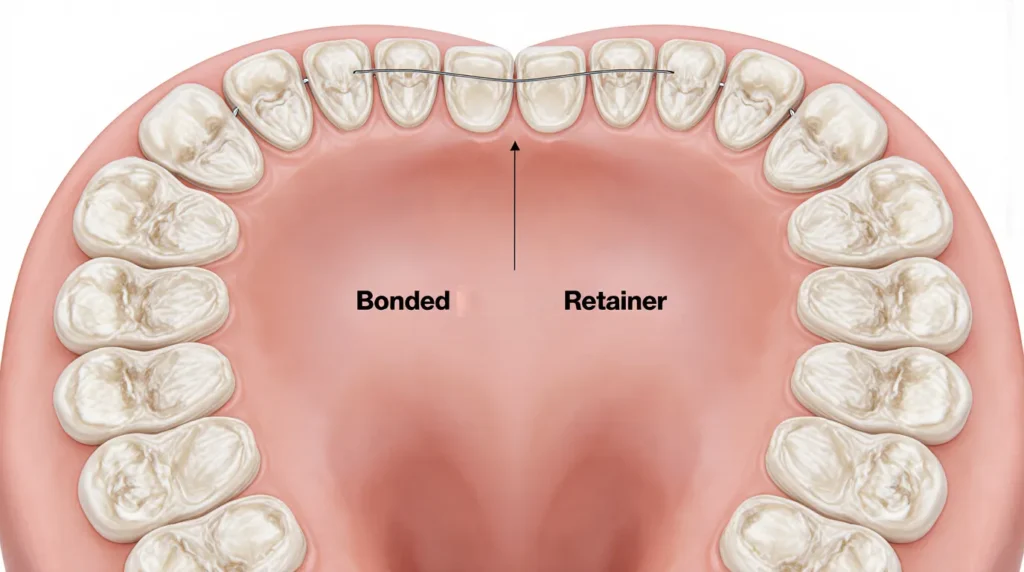

A permanent retainer is like a silent guardian for your smile after you’ve had braces or other orthodontic treatments. It’s a custom wire that is fitted behind your teeth and bonded in place, working around the clock to keep your teeth in the perfect position.
Why You Need a Permanent Retainer
Just as a security system protects your home, a permanent retainer protects your smile. After going through the process of shifting your teeth into their ideal positions, it’s crucial to provide ongoing support to keep them there. Without this support, your teeth may gradually shift back to their original positions over time, undoing all the hard work put into straightening them.
What to Expect in This Guide
In this guide, we’ll delve into everything you need to know about permanent retainers in 2025:
- The latest advancements in retainer materials and technology
- Essential maintenance tips for long-lasting results
- Cost considerations and insurance coverage options
- Comparisons with other retention methods
- Expert insights on who makes an ideal candidate
Your smile is an investment of both time and money. A permanent retainer provides a dependable solution to safeguard this investment, ensuring that your teeth remain aligned year after year. By understanding the intricacies of permanent retainers, you’ll be empowered to make informed decisions about how best to protect your smile for the long haul.
Table of Contents
Understanding Permanent Retainers
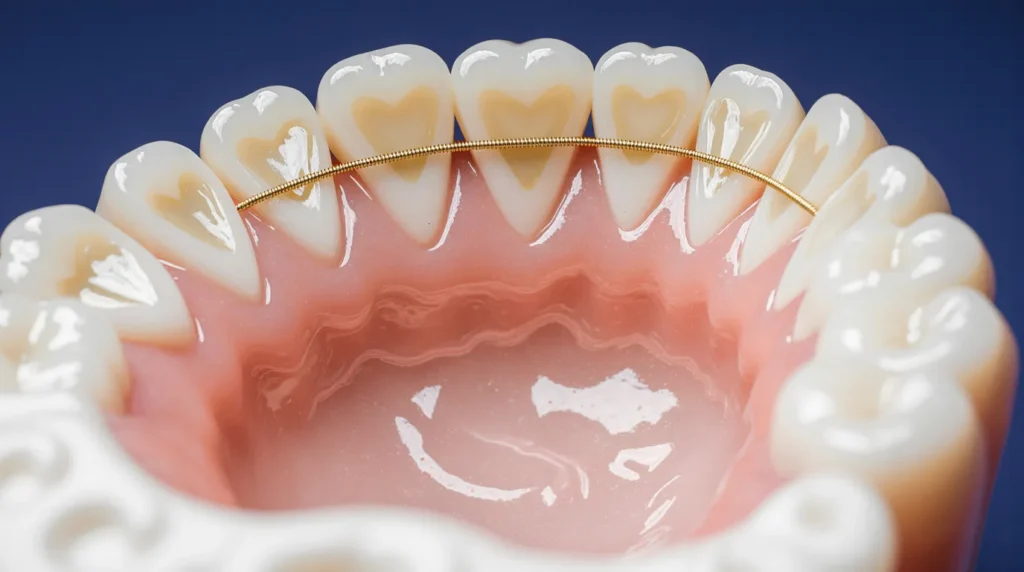
A permanent retainer is a fixed orthodontic device custom-designed to maintain your teeth alignment after braces. This dental appliance consists of a thin, durable wire made from stainless steel or fiber-reinforced composite, precisely contoured to match the curve of your teeth.
Key Components of a Permanent Retainer:
- Custom-fitted metal or fiber wire
- Strong dental adhesive
- Bonding points on each involved tooth
- Protective coating to prevent wire irritation
Unlike removable retainers that you can take out for eating and cleaning, a fixed retainer stays permanently attached to your teeth. The wire gets bonded directly to the back surface of your teeth using specialized dental cement, creating a secure connection that maintains tooth position 24/7.
Placement and Coverage
Your orthodontist places the permanent retainer on the lingual (tongue) side of your teeth, making it virtually invisible when you smile. The most common location is behind the lower front teeth, though some patients might need an upper fixed retainer as well.
The retainer typically spans:
- 4-6 teeth in the front of your mouth
- Canine to canine coverage
- Strategic anchor points on each tooth
This strategic placement helps prevent the most common post-orthodontic movements while allowing natural flexibility in your bite. The wire follows the natural curve of your dental arch, sitting close to your teeth without interfering with your tongue movement or speech patterns.
The bonding process creates individual attachment points on each tooth, distributing the retention force evenly across all involved teeth. This design helps maintain proper spacing and alignment while allowing your teeth to respond naturally to daily biting and chewing forces.
Advantages and Disadvantages of Permanent Retainers
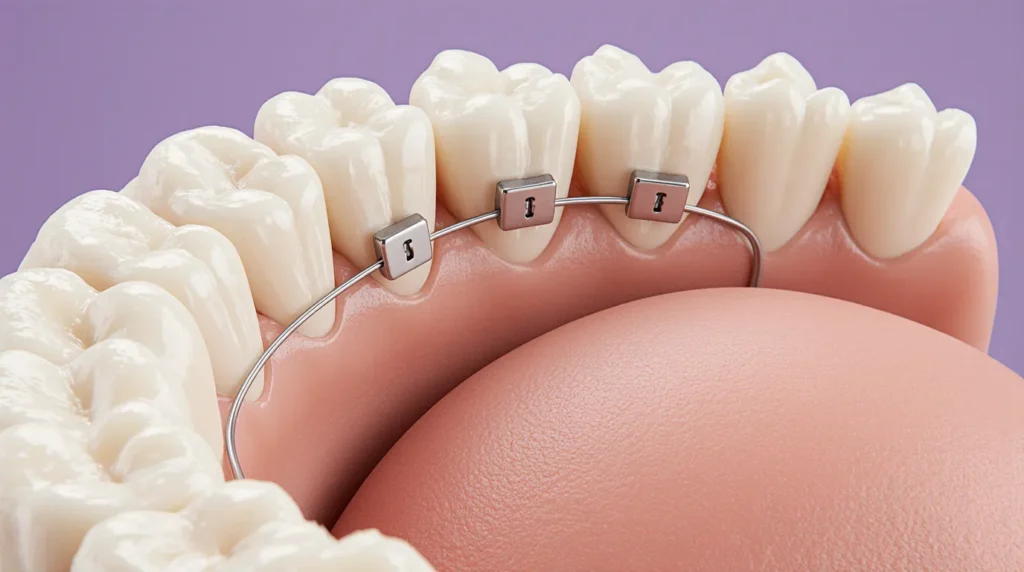
Permanent retainers have their own advantages and disadvantages that can affect their suitability for post-orthodontic care. For more insights on orthodontics, you might want to check this orthodontics blog which provides a wealth of information on the subject.
Key Advantages:
- 24/7 Protection: The fixed nature ensures continuous teeth alignment without relying on patient compliance
- Invisible Appearance: Placement behind teeth makes them virtually undetectable during social interactions
- Long-Term Durability: Can last 10-20 years with proper care
- Speech Preservation: No impact on speaking ability or tongue movement
- Set-and-Forget Solution: Eliminates daily insertion and removal routines
- Cost-Effective: One-time installation with minimal maintenance costs
Notable Disadvantages:
- Cleaning Challenges:
- Food particles can become trapped behind the wire
- Regular flossing requires special techniques
- Increased risk of tartar buildup around bonding points
- Potential Complications:
- Wire breakage from biting hard foods
- Possibility of wire detachment
- Risk of enamel wear at bonding sites
- Higher susceptibility to gum inflammation without proper cleaning
- Restricted Diet Considerations:
- Need to avoid extremely hard or sticky foods
- Extra caution required when biting into firm foods
- Certain chewy substances might damage the wire
- Medical Considerations:
- May interfere with dental X-rays
- Can complicate professional teeth cleaning procedures
- Possible allergic reactions to metal components in some patients
The fixed nature of permanent retainers creates a trade-off between maintenance-free alignment and increased oral hygiene responsibility. Your lifestyle, dental hygiene habits, and long-term orthodontic goals play crucial roles in determining whether these advantages outweigh the disadvantages for your specific situation.
Caring for Your Permanent Retainer: Oral Hygiene Tips and Maintenance Requirements
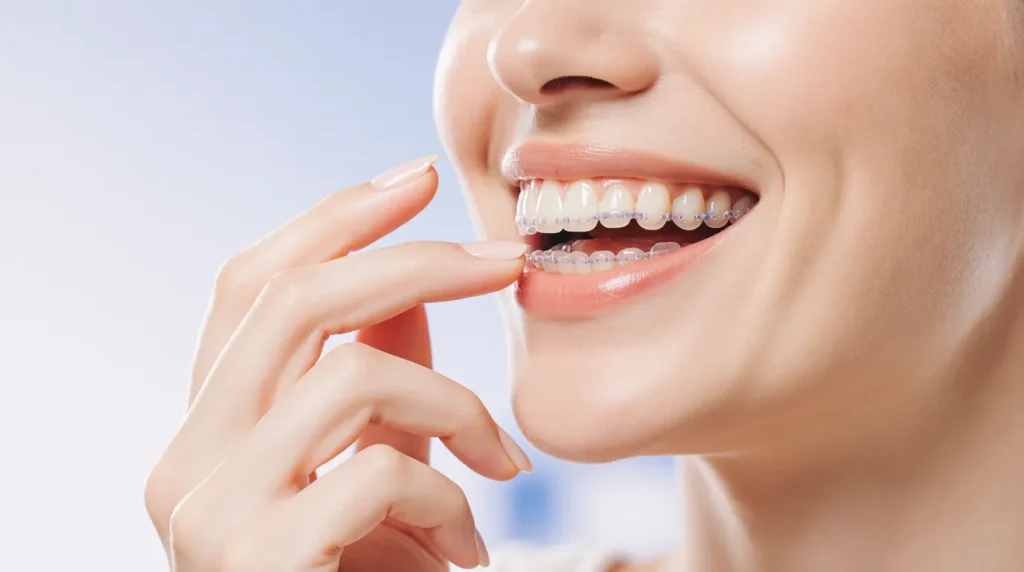
Maintaining proper oral hygiene with a permanent retainer requires dedication and specific cleaning techniques. The bonded wire creates small spaces where food particles and bacteria can accumulate, making regular cleaning essential to prevent plaque buildup and potential dental issues.
Daily Cleaning Essentials:
- Brush thoroughly around the wire using a soft-bristled toothbrush
- Clean at a 45-degree angle to reach under the wire
- Spend extra time on the areas where the wire is bonded to your teeth
- Use a water flosser for preliminary cleaning
Effective Flossing Techniques:
- Use a floss threader to guide regular dental floss under the wire
- Thread the floss between each tooth, forming a C-shape
- Gently move the floss up and down along the sides of each tooth
- Clean both above and below the wire
Recommended Tools:
- Super floss designed for orthodontic care
- Interdental brushes in various sizes
- Orthodontic wax for temporary wire irritation
- Water flossers with orthodontic tips
The expected lifespan of a permanent retainer ranges from 10-20 years with proper care. Regular dental check-ups every six months allow your dentist to inspect the wire’s condition and bonding strength. Signs that require immediate professional attention include:
- Loose or broken wire segments
- Separation from tooth surfaces
- Visible calculus buildup
- Gum inflammation around the wire
Daily Maintenance Schedule:
- Morning: Thorough brushing and water flossing
- After meals: Quick rinse and brush
- Evening: Complete cleaning routine with floss threaders
- Weekly: Deep clean with interdental brushes
Professional cleaning twice yearly helps remove stubborn calculus and ensures the longevity of your permanent retainer. Your dental hygienist can access areas difficult to clean at home and identify potential issues before they become serious problems.
Cost Considerations, Insurance Coverage, and Who Should Consider a Permanent Retainer
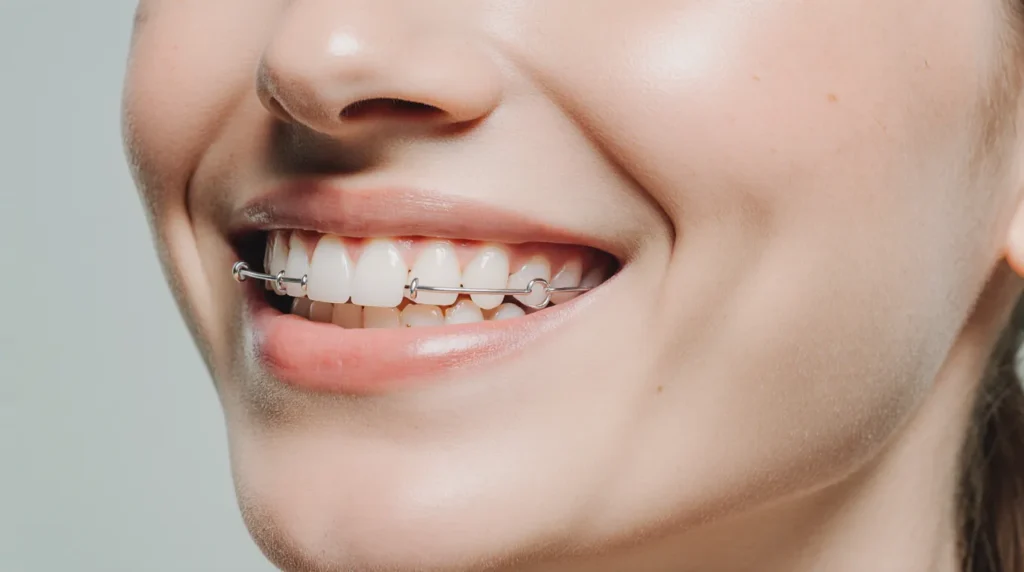
The cost of permanent retainers varies significantly across different regions and dental providers. You can expect to pay between $150 to $500 for a permanent retainer installation. Some factors affecting the price include:
- Geographic location and local market rates
- Dentist’s experience and expertise
- Materials used (metal wire vs. fiber-reinforced)
- Number of teeth requiring retention
Many dental insurance plans offer partial coverage for permanent retainers as part of post-orthodontic care. The typical coverage ranges from 20% to 50% of the total cost. Insurance providers often classify permanent retainers under:
- Orthodontic treatment completion
- Preventive care measures
- Post-treatment maintenance
Patient profiles ideal for permanent retainers:
- Individuals with significant pre-treatment spacing or rotation
- Patients with high risk of relapse after orthodontic treatment
- Young adults who’ve completed growth phases
- People seeking a “set-and-forget” retention solution
- Those with busy lifestyles who might forget to wear removable retainers
Some insurance providers require pre-authorization or documentation of medical necessity. You’ll need to verify specific coverage details with your insurance carrier, including:
- Annual maximum benefits
- Waiting periods
- Coverage percentage
- Lifetime orthodontic limits
Many dental offices offer flexible payment options to make permanent retainers more accessible:
- Monthly payment plans
- Healthcare credit cards
- FSA/HSA acceptance
- Cash discounts
The investment in a permanent retainer often proves cost-effective when considering the long-term benefits and potential savings from avoiding future orthodontic treatment due to teeth shifting.
Comparing Permanent Retainers to Other Retention Options: A 2025 Perspective
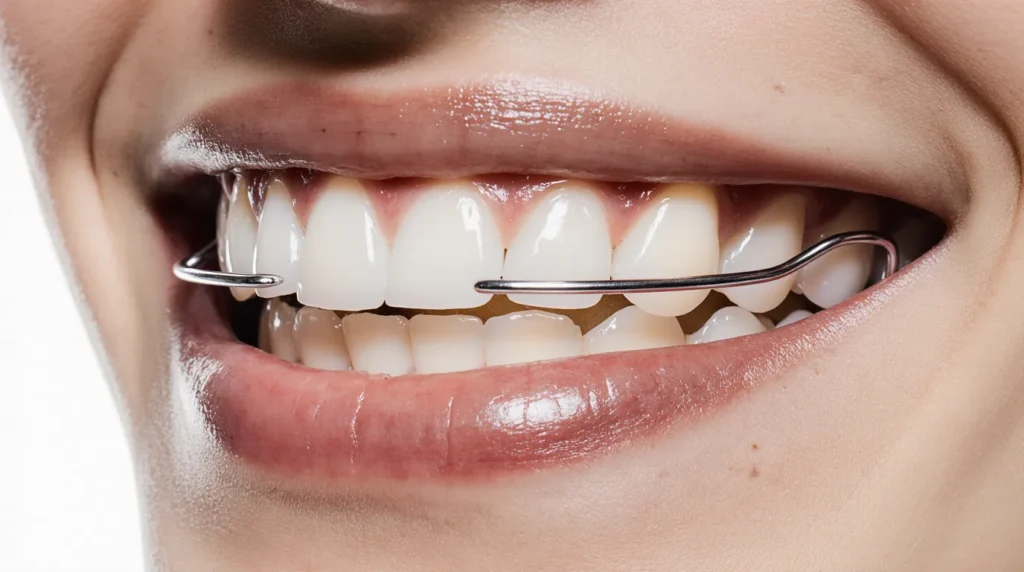
The choice between fixed and removable retainers impacts your post-orthodontic journey significantly. Let’s examine how these options stack up against each other in 2025.
Fixed (Permanent) Retainers
- Compliance-free wear: The bonded wire stays in place 24/7
- Invisible appearance: Hidden behind your teeth
- Long-term stability: Continuous protection against tooth movement
- Maintenance needs: Requires specialized cleaning tools and techniques
- Durability: Can last 10-20 years with proper care
Removable Retainers
Hawley Retainers
Classic wire-and-acrylic design
- Easy to clean
- Visible when worn
- Requires disciplined wearing schedule
- Typically needs replacement every 5-7 years
Clear Plastic Retainers
Modern alternative
- Nearly invisible
- Less durable than Hawley retainers
- Easier to lose or damage
- Needs replacement every 1-3 years
Patient-Specific Considerations
Fixed Retainers Work Best For:
- People with busy lifestyles
- Those who might forget to wear removable options
- Patients with high risk of tooth movement
- Cases requiring precise retention of specific teeth
Removable Retainers Suit:
- Patients who prioritize easy cleaning, although it’s important to note that removable retainer care is crucial for longevity and effectiveness.
- Those with excellent compliance habits
- People who grind their teeth
- Cases where periodic adjustment might be needed
The 2025 retention landscape offers improved materials and designs for both options. Your orthodontist will consider factors like your lifestyle, oral hygiene habits, and specific tooth movement patterns when recommending the most suitable retention strategy. It’s also essential to follow a proper post-orthodontic care routine for optimal results.
Future Trends in Permanent Retainers – 2025 Outlook
The world of permanent retainers is undergoing a significant transformation due to technological advancements that are redefining the patient experience. The latest developments are centered around improving comfort, durability, and ease of maintenance.
1. Smart Materials Revolution
- Shape-memory alloys adapt to tooth movement while maintaining alignment
- Bio-responsive wires detect pressure changes and bacterial presence
- Temperature-sensitive materials provide improved flexibility during eating
2. Fiber-Reinforced Composites
- Carbon fiber alternatives offer metal-free retention
- Increased strength-to-weight ratio compared to traditional metal wires
- Natural-feeling texture that mimics tooth structure
- Reduced risk of allergic reactions
3. Advanced Bonding Technologies
- Nano-enhanced adhesives create stronger bonds between wire and teeth
- Self-healing bonding materials repair minor damage automatically
- UV-activated compounds provide precise placement control
- Extended lifespan reaching up to 25+ years
4. Digital Integration
- 3D-printed custom retainers with perfect fit
- Real-time monitoring through embedded sensors
- Mobile apps tracking retainer health and maintenance needs
- AI-powered wear pattern analysis for optimized adjustments
5. Surface Treatments
- Anti-bacterial coatings prevent plaque accumulation
- Hydrophobic properties reduce mineral buildup
- Self-cleaning surfaces minimize maintenance requirements
- Enhanced resistance to acidic foods and beverages
These innovations tackle the common issues faced by traditional permanent retainers while introducing intelligent features for better orthodontic care. Ongoing research in biocompatible materials and automated manufacturing processes holds the promise of even more advanced retention solutions in the near future.
Dental professionals are already incorporating these technologies into their practices, providing patients with more dependable and comfortable options for long-term smile maintenance.
Conclusion
Permanent retainers are a proven method for keeping your smile intact. Unlike other options that rely on you to remember to wear them, permanent retainers work continuously to maintain tooth alignment.
When deciding whether to get a permanent retainer, it’s important to consider your lifestyle, oral health habits, and long-term dental goals. Factors such as your unique dental structure, bite pattern, and previous orthodontic treatment will also influence the best retention strategy for you.
Key benefits of permanent retainers:
- Continuous protection against tooth movement
- No daily maintenance routine required
- Invisible placement behind teeth
- Potential decades-long durability
Your smile deserves personalized care and attention. Schedule a consultation with your orthodontist to:
- Evaluate your specific retention needs
- Discuss potential retention options
- Create a customized maintenance plan
- Address any concerns about permanent retention
The investment in a permanent retainer goes beyond maintaining straight teeth—it’s an investment in your confidence and dental health. With the latest advancements in retainer technology and professional guidance, you can secure your smile for years to come.
Remember: Your orthodontist is your best resource for navigating retention choices and ensuring your beautiful smile stays exactly where it belongs.
FAQs (Frequently Asked Questions)
What is a permanent retainer and how does it help maintain teeth alignment after braces?
A permanent retainer is a fixed orthodontic device bonded to the lingual side of the lower front teeth, designed to maintain teeth alignment long-term after braces. It provides continuous support to prevent teeth from shifting, ensuring lasting smile security.
How do permanent retainers differ from removable retainers in terms of usage and maintenance?
Permanent retainers are bonded wires fixed behind the teeth, offering convenience and constant retention without removal. In contrast, removable retainers can be taken out for cleaning but require patient compliance. Maintenance differs as permanent retainers need special flossing techniques due to difficulty cleaning around the wire.
What are the advantages and disadvantages of using a permanent retainer?
Advantages include long-term stability of teeth alignment and convenience since they are always in place. Disadvantages involve challenges in maintaining oral hygiene around the bonded wire, which can lead to plaque buildup and potential dental complications if not properly cared for.
What oral hygiene practices are recommended for caring for a permanent retainer?
Proper care involves meticulous cleaning using floss threaders or interdental brushes to clean around the bonded wire effectively. Regular dental check-ups and professional cleanings are essential to prevent plaque buildup and maintain the retainer’s lifespan.
What factors influence the cost of a permanent retainer, and is it typically covered by dental insurance?
The cost varies depending on the provider and geographic region but generally falls within a typical price range for orthodontic devices. Some dental insurance plans may cover post-orthodontic retainers; however, coverage varies, so consulting with your provider is recommended.
What future trends are expected in permanent retainers by 2025?
Innovations include emerging materials like fiber wires that improve comfort and durability, as well as advances in bonding techniques enhancing longevity. These developments aim to make permanent retainers more effective and easier to maintain for long-term smile security.