What is a Permanent Retainer? A permanent retainer is a fixed orthodontic device consisting of a metal wire bonded to the back of teeth to maintain their position after braces or other orthodontic treatments. Unlike removable …

What is a Permanent Retainer?
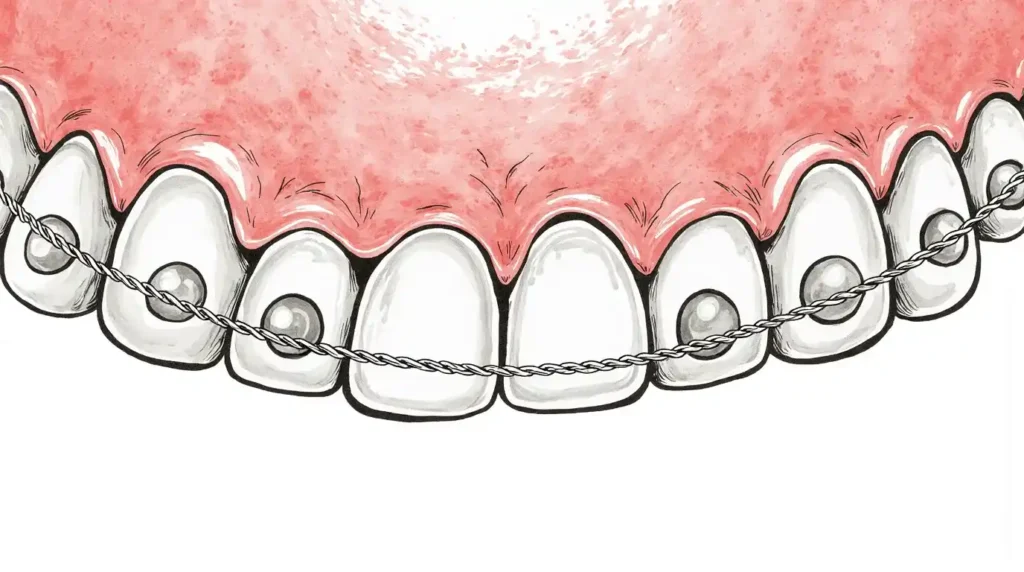
A permanent retainer is a fixed orthodontic device consisting of a metal wire bonded to the back of teeth to maintain their position after braces or other orthodontic treatments. Unlike removable retainers, these devices remain attached to your teeth and cannot be taken out except by an orthodontist. The wire, typically made of stainless steel or tooth-colored material, is custom-fitted and secured using a special dental adhesive or cement.
Permanent retainers go by several alternative names:
- Bonded retainers
- Lingual wire
- Fixed retainers
These retainers are primarily attached to the interior surface of the lower front teeth, usually spanning four to six teeth. However, they can occasionally be placed on upper teeth as well, though this is less common as permanent retainers on top teeth have a higher likelihood of breaking.
The primary function of a permanent retainer is to prevent orthodontic relapse—teeth shifting back to their original positions after treatment. This is particularly important since orthodontic results have historically never lasted permanently without retention. Orthodontists typically install these devices immediately after removing braces.
Additionally, permanent retainers offer distinct advantages over removable alternatives. Since they’re constantly in place, patients don’t need to remember to wear them. Furthermore, they remain completely hidden from view when smiling or speaking, making them esthetically preferable for many patients.
Despite being called “permanent,” these retainers can be removed by orthodontists if necessary, particularly if they cause excessive plaque buildup or irritate surrounding tissues. With proper care, permanent retainers can last between 10-20 years, with some lasting up to 20 years depending on maintenance.
Orthodontists often recommend permanent retainers for patients under 25 who haven’t stopped growing, as this helps prevent regression in bite and alignment. Many orthodontists believe permanent retainers work more effectively than removable ones for maintaining tooth position long-term.
For comprehensive orthodontic retention, some practitioners use a combination approach— Fixed retainers for lower teeth and removable ones for upper teeth. This strategy aims to provide optimal long-term results while balancing the benefits and limitations of each retainer type.
Table of Contents
Permanent Retainer vs Removable Retainer
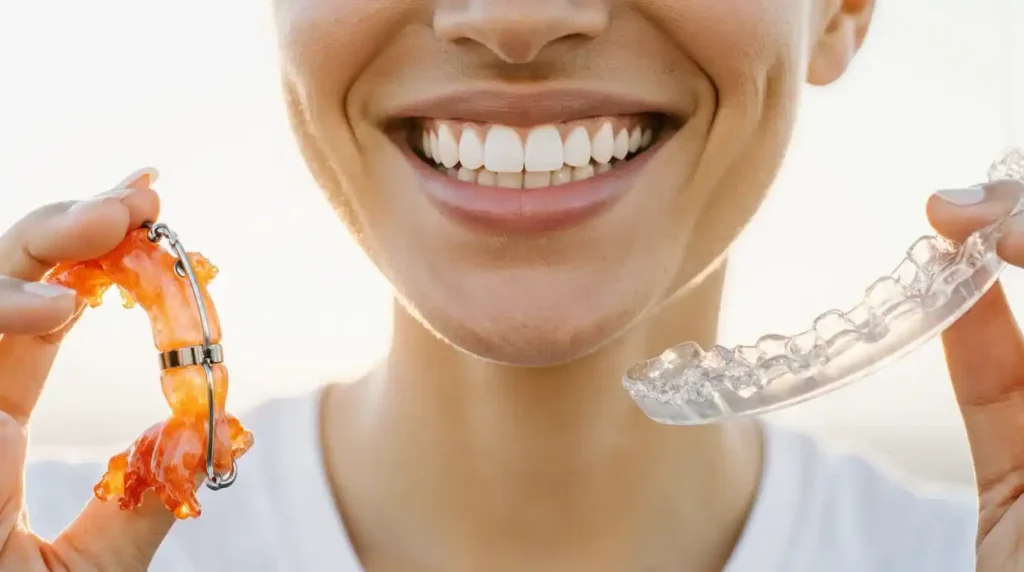
Fixed retainers and removable retainers serve the same purpose but differ significantly in design, application, and maintenance requirements. The choice between these two types depends on various factors including patient compliance, lifestyle, and specific orthodontic needs.
Key differences in design and usage
Permanent retainers consist of a metal wire bonded to the lingual (tongue) side of teeth, typically with a smooth solid or braided texture. These retainers remain fixed in place until professionally removed. Conversely, removable retainers include Hawley retainers (acrylic plate with metal framework) and clear plastic retainers that patients can insert and remove as needed.
Permanent retainers primarily attach to lower front teeth, whereas removable options work effectively for both upper and lower teeth. Notably, many orthodontists recommend a combination approach—Fixed retainers
for lower teeth and removable ones for upper teeth—as upper teeth may bite on a fixed upper retainer, potentially damaging it.
When each type is recommended
Orthodontists generally recommend permanent retainers for patients under 25 whose mouths are still developing. Additionally, these fixed devices benefit individuals with previously severe crowding or those who struggle with consistent retainer wear.
Removable retainers suit patients who prioritize easier oral hygiene maintenance or those with specific upper teeth alignment needs. Furthermore, patients who participate in contact sports or play wind instruments might prefer the flexibility of temporary removal.
Pros and cons of both options
Permanent Retainer Advantages:
- Continuous retention without relying on patient compliance
- Invisibility as they’re bonded behind teeth
- No speech impediment
- Cannot be lost or damaged through daily handling
Permanent Retainer Disadvantages:
- More challenging oral hygiene requiring special flossing techniques
- Potential for wire breakage requiring professional repair
- Initial bonding procedure may take up to an hour
- Certain foods may damage the wire or bonding material
Removable Retainer Advantages:
- Easier cleaning and oral hygiene maintenance
- Simple to remove for eating or special occasions
- No dietary restrictions
- Adjustable if needed
Removable Retainer Disadvantages:
- Effectiveness depends entirely on wearing as directed
- Risk of loss or damage
- More visible than permanent options
- May temporarily affect speech
Learn more about permanent retainer options
How to Care for a Permanent Retainer

Maintaining proper hygiene with a permanent retainer requires specialized care techniques to prevent plaque buildup and ensure longevity. Consistent cleaning helps avoid complications such as gum disease and tooth decay that can develop around fixed retainers.
Brushing techniques
Effective brushing involves using a soft-bristled toothbrush at least twice daily, focusing on the space between the retainer and teeth. An electric toothbrush often cleans plaque and bacteria more effectively around the retainer wire. When brushing, use gentle circular motions along the gum line and areas surrounding the retainer. For areas difficult to reach with a regular toothbrush, interdental brushes provide access to small gaps between teeth and around the retainer wire. Moreover, brushing after every meal helps remove food particles before they become trapped behind the fixed retainer.
Flossing tools and methods
Flossing around a permanent retainer presents unique challenges yet remains essential for oral health. Several specialized tools make this process more manageable:
- Floss threaders: These flexible plastic loops guide regular floss beneath the retainer wire
- Superfloss: Features a stiffened end for easier threading and a spongy section for cleaning around the wire
- Water flossers: Use pressurized water to clean between teeth and around the retainer
- Interdental brushes: Small brushes designed to fit between teeth and around dental appliances
To use a floss threader effectively, thread regular floss through the loop, guide it beneath the retainer wire, and clean between teeth using a C-shaped motion. Consequently, flossing should be performed at least once daily to prevent plaque accumulation.
Foods to avoid
Certain foods can damage Fixed retainers or complicate cleaning. Avoid hard candies, sticky sweets (caramels, toffee, taffy), chewing gum, popcorn, and nuts. Furthermore, tough meats, beef jerky, and crunchy foods can apply excessive pressure on the retainer wire, potentially causing breakage. Additionally, foods with small seeds might become lodged around the retainer and prove difficult to remove. Essentially, cutting harder foods like apples into smaller pieces helps prevent damage.
When to see your orthodontist
Contact your orthodontist immediately if the retainer becomes loose or completely detaches, as teeth can shift rapidly. Permanent retainer wire breakage requires professional attention to prevent tongue irritation from sharp edges. Schedule regular dental check-ups every six months for professional cleaning around the retainer and monitoring of its condition. During these visits, your dental professional can remove hardened bacterial buildup that accumulates between appointments. Ultimately, signs requiring prompt professional attention include loose bonding, bent wires, or discomfort when biting.
What to Know About Cost and Longevity

The financial investment in a permanent retainer involves understanding both initial costs and long-term considerations. Although termed “permanent,” these devices eventually require professional assessment and possible replacement.
Average permanent retainer cost
Fixed retainers typically cost between USD 150.00 to USD 500.00 per arch. This price range varies based on complexity of the case and individual orthodontist fees. Initially, many orthodontists include the permanent retainer cost within the overall braces treatment package. Comparatively, this investment often proves economical long-term, as fixed retainers generally need fewer replacements than removable alternatives.
How long they typically last
Despite their name, Fixed retainers are not truly permanent. These devices ordinarily last between 10-20 years with proper maintenance. Some patients wear their original retainer for up to 20 years, while others require replacement after just a few years. Eventually, the wire may break or the bonding material might wear down, necessitating professional attention. Without specific time limits for wear, many orthodontists recommend keeping permanent retainers indefinitely to prevent teeth from shifting.
Insurance and replacement costs
Insurance coverage for permanent retainers varies substantially between providers. Some dental plans cover initial installation but not subsequent repairs. Alternatively, certain policies consider replacements medically necessary if the retainer breaks or no longer fits properly. Replacement costs mirror initial expenses—approximately USD 150.00 to USD 500.00. Signs indicating replacement include:
- Visible damage or wire breakage
- Discomfort or pain around the retainer
- Noticeable shifting of teeth
Importantly, prompt attention to damaged retainers prevents additional orthodontic expenses that could result from teeth shifting back to pre-treatment positions.
FAQs
Q1. What foods should I avoid with a permanent retainer? Avoid hard candies, sticky sweets, chewing gum, popcorn, and nuts. Also, be cautious with tough meats and crunchy foods as they can put excessive pressure on the retainer wire. It’s best to cut harder foods into smaller pieces to prevent damage.
Q2. How long does a permanent retainer typically last? With proper care, permanent retainers can last between 10 to 20 years. Some patients may wear their original retainer for up to two decades, while others might need a replacement after a few years, depending on individual factors and maintenance.
Q3. Can I remove my permanent retainer myself? No, you should never attempt to remove a permanent retainer on your own. These retainers are cemented into place and should only be removed by a dental professional to avoid injury and damage to your teeth.
Q4. How soon can I eat after getting a permanent retainer? You can eat and drink immediately after your permanent retainer is fitted. However, be careful not to bite hard, sticky, or chewy foods with your front teeth, as this could potentially damage the retainer.
Q5. What’s the average cost of a permanent retainer? The cost of a permanent retainer typically ranges from $150 to $500 per arch. This price can vary based on the complexity of your case and your orthodontist’s fees. Some orthodontists include the cost of the permanent retainer in the overall braces treatment package.