
The Allure of Dermal Piercings Dermals piercings stand apart from traditional body modifications with their distinctive single-point design. Unlike standard piercings that create a channel through your skin, dermals feature a single entry point where …

The Allure of Dermal Piercings
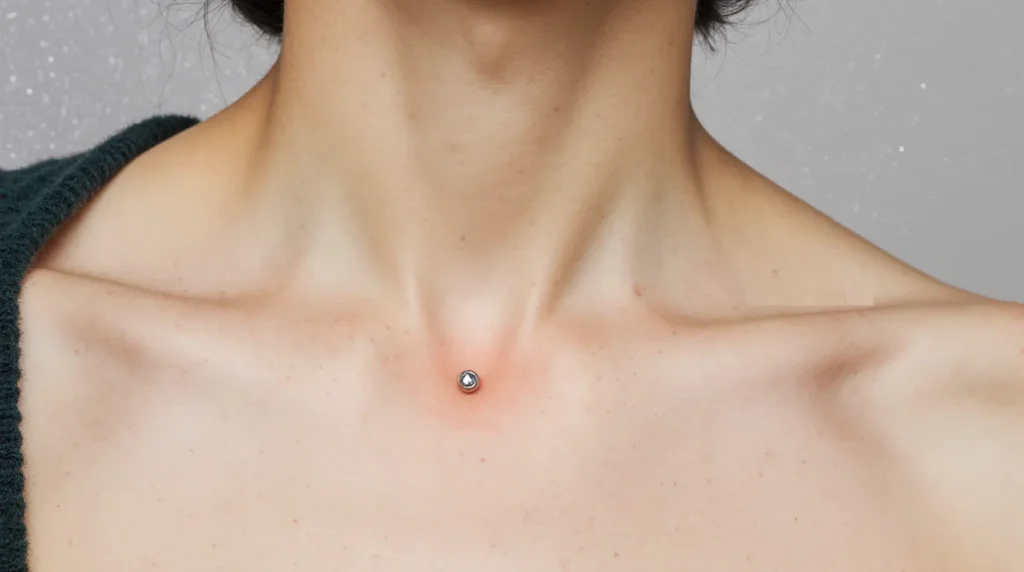
Dermals piercings stand apart from traditional body modifications with their distinctive single-point design. Unlike standard piercings that create a channel through your skin, dermals feature a single entry point where jewelry appears to float on your skin’s surface – creating an effect of gems or metal studs magically embedded in your body.
These unique piercings offer endless possibilities for self-expression. You can create striking patterns, highlight your favorite features, or add subtle sparkle to any flat surface of your body. Popular placement choices include:
- Cheekbones for a face-framing shimmer
- Nape of the neck for an elegant accent
- Chest area for eye-catching decoration
- Lower back for subtle sophistication
- Abdomen for bold statement pieces
The versatility of dermals jewelry has sparked a surge in popularity. From minimalist metal studs to vibrant gemstones, you can customize your look with interchangeable tops once healing is complete. This adaptability allows you to switch up your style while maintaining the same base anchor.
The appeal lies in the illusion these piercings create – they appear as if the jewelry has become one with your skin. This seamless integration offers a modern, sophisticated alternative to traditional piercings, making dermals a sought-after choice for body modification enthusiasts seeking something uniquely beautiful.
Table of Contents
Understanding Dermals Piercings: Anatomy and Procedure
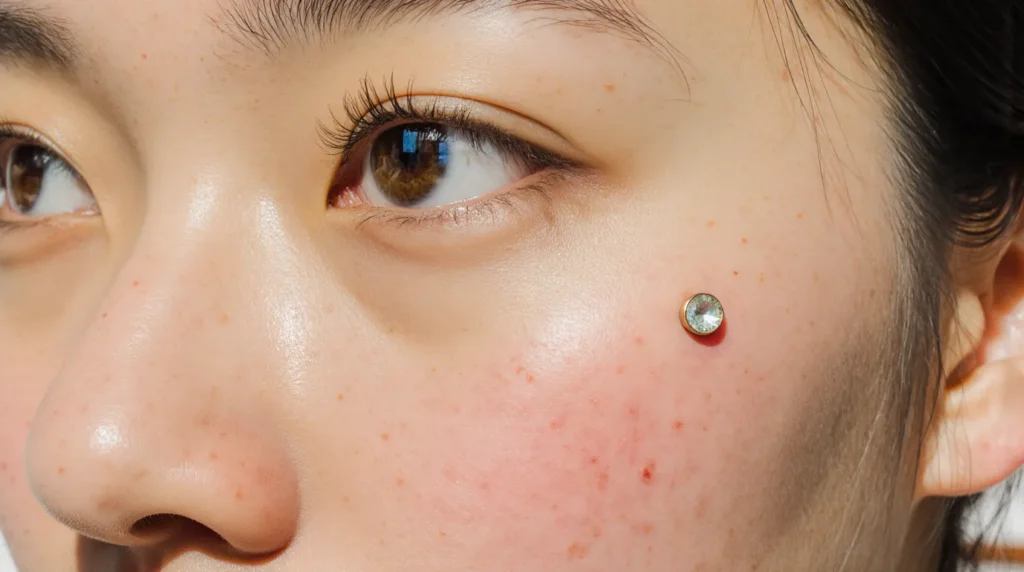
The success of a dermals piercing relies heavily on proper placement within the dermis – the middle layer of your skin that lies between the epidermis and subcutaneous tissue. This layer contains blood vessels, nerve endings, and collagen fibers, making it ideal for anchoring jewelry securely.
The Single-Entry Approach
Unlike traditional piercings that create a tunnel through your tissue, dermal piercings feature a single entry point where the anchor nestles beneath your skin’s surface. The anchor acts as an artificial root, holding your jewelry firmly in place while the decorative top remains visible.
Two Primary Installation Methods
The Needle Method
- Your piercer creates a precise L-shaped pocket using a sterile needle
- The pocket depth matches the anchor length (typically 6-7mm)
- The anchor slides horizontally into the created space
- Minimal tissue trauma promotes faster healing
The Punch Technique*
- A dermals punch removes a small cylinder of tissue
- The diameter matches the anchor size exactly
- Creates a clean, precise pocket for insertion
- Reduces pressure on surrounding tissue
The Anchoring System
The anchor base comes in two main designs:
- Flat foot base with holes for tissue integration
- Rounded base that sits smoothly under the skin
Your piercer selects the appropriate base style based on:
- Your skin thickness
- Placement location
- Activity level
- Desired jewelry style
The procedure requires precise depth control – too shallow risks rejection, too deep can damage underlying structures. A skilled piercer uses anatomical markers and experience to achieve optimal placement, ensuring the anchor sits parallel to your skin’s surface while the post emerges at a 90-degree angle.
Exploring Dermals Jewelry: Types, Materials, and Maintenance
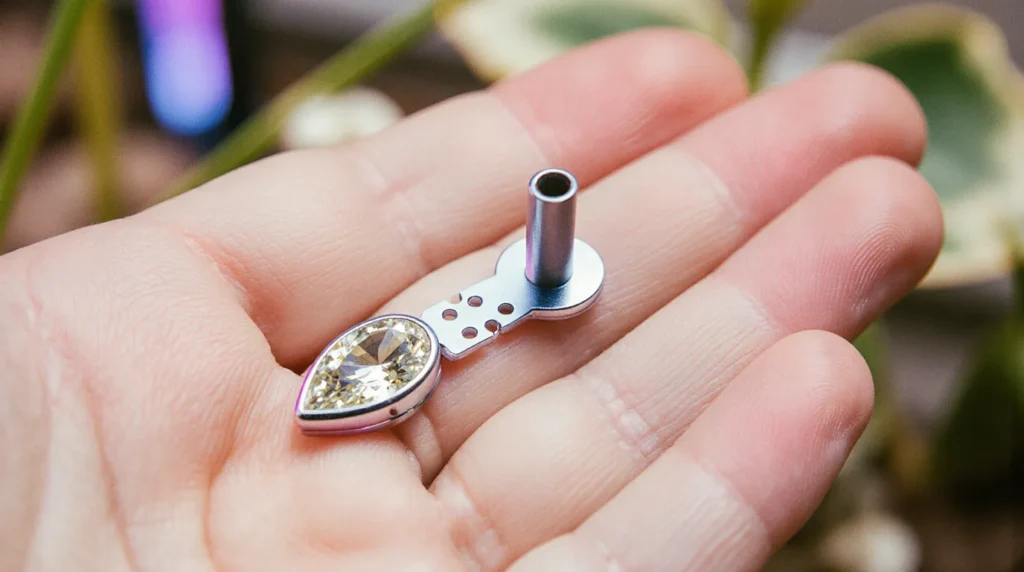
Dermal anchors come in two distinct designs to secure your jewelry beneath the skin:
- Rounded Base Anchors: These feature a circular bottom that helps prevent tissue damage
- Flat Feet Anchors: Equipped with small projections that grip the surrounding tissue for enhanced stability
The visible jewelry tops offer endless creative possibilities:
- Metal studs in various shapes and sizes
- Magnetic gems for easy interchangeability
- Crystal-embedded pieces
- Custom-designed tops
- Divers with preset decorative elements
Material Selection Matters
Surgical Titanium
- Ideal for sensitive skin
- Extremely lightweight
- Resistant to corrosion
- Minimal risk of allergic reactions
- Higher price point
Surgical Stainless Steel
- Most popular choice
- Cost-effective option
- Durable and long-lasting
- Potential irritation for sensitive individuals
- Contains nickel – may cause reactions which can lead to fake jewelry allergies
Jewelry Maintenance Guidelines
Your dermal jewelry requires specific care to maintain its appearance and safety:
- Wait for complete healing (3-4 months minimum) before changing tops, as advised by Mayo Clinic
- Clean new tops thoroughly with surgical-grade sanitizer
- Use sterile gloves when handling jewelry
- Ensure tops are securely screwed onto the anchor
- Avoid forcing tight or ill-fitting tops
Professional Assistance
Changing jewelry tops might seem simple, but seeking professional help can:
- Prevent damage to the anchor
- Ensure proper fit
- Maintain sterile conditions
- Identify potential issues early
- Reduce risk of complications
The Healing Journey: Aftercare Tips for Healthy Dermals

Your dermals piercing needs dedicated care during its healing period, which typically spans between one to three months. The healing timeline varies based on your body’s natural healing abilities and how well you follow aftercare instructions.
Essential Daily Care Protocol:
- Clean the piercing site twice daily with sterile saline solution
- Use clean paper towels to pat the area dry
- Avoid touching the piercing with unwashed hands
- Keep the area free from makeup, lotions, and other cosmetic products
Activities to Avoid During Healing:
- Swimming in pools, hot tubs, or natural bodies of water
- High-impact sports or activities that could bump the piercing
- Wearing tight clothing that rubs against the piercing
- Sleeping directly on the pierced area
Signs of Normal Healing:
- Mild redness around the piercing
- Slight warmth at the site
- Minimal clear discharge
- Occasional tenderness
Your piercing requires consistent attention during the healing phase. A sterile saline solution works best for cleaning – avoid harsh chemicals, alcohol, or hydrogen peroxide as these can irritate the piercing and delay healing.
The healing process demands patience. Your dermals will feel more secure as weeks pass, but don’t mistake this for complete healing. Maintain your cleaning routine for the full healing period, even when the piercing appears healed on the surface.
A properly healing dermals should steadily become less tender and show decreasing signs of irritation. The skin around your jewelry should remain flat and maintain its natural color, with no persistent redness or swelling.
For more insights into understanding the healing process of dermal piercings, it’s essential to stay informed and adjust your aftercare routine accordingly.
Navigating Risks and Complications with Dermals Piercings
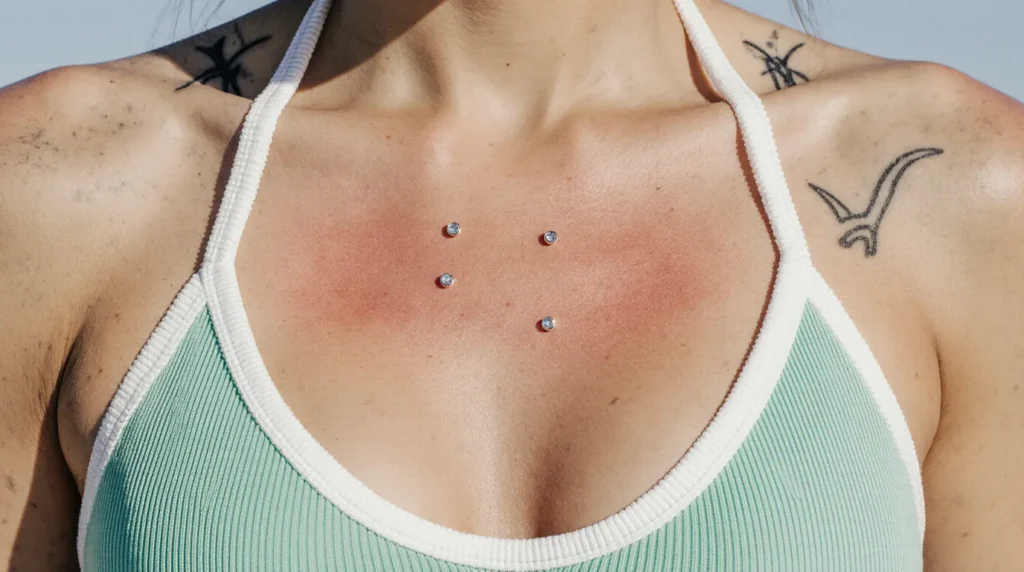
Dermal piercings require careful attention to potential complications. Understanding these risks helps you identify issues early and take appropriate action.
Common Infection Risks:
- Redness extending beyond the piercing site
- Yellow or green discharge
- Unusual warmth around the area
- Throbbing or persistent pain
- Foul odor from the piercing
Nonsterile procedures create a direct pathway for bacteria to enter your body. Professional piercers use autoclaved equipment and maintain strict hygiene protocols to minimize infection risks.
Signs of Displacement:
- Jewelry sitting at an angle
- Visible movement of the anchor
- Jewelry appearing to rise above skin level
- Increased visibility of the anchor base
Shallow anchor placement often leads to migration – the gradual movement of your jewelry from its original position. This typically occurs when the piercer doesn’t create a deep enough pocket for the anchor.
Body Rejection Indicators:
- Thinning skin around the jewelry
- Jewelry becoming more visible under the skin
- Formation of a red, irritated channel around the piercing
- Jewelry pushing forward or outward
Your body’s natural defense mechanisms can identify the jewelry as a foreign object, triggering a rejection response. This process pushes the anchor toward the skin’s surface, eventually forcing it out completely.
Professional piercers recommend immediate consultation if you notice any of these warning signs. Early intervention can prevent severe complications and may save your piercing.
Recognizing Problems and Seeking Help for Your Dermals
Your dermal piercing requires vigilant monitoring to catch potential issues early. Here’s what you need to watch for:
Critical Warning Signs
- Intense, throbbing pain that persists or worsens
- Significant swelling extending beyond the immediate piercing area
- Skin that feels hot to touch around the jewelry
- Redness spreading outward from the piercing site
Discharge Indicators
- Clear fluid with slight blood: Normal during initial healing
- Yellow or green discharge: Sign of infection
- Thick, white discharge with odor: Requires immediate attention
Jewelry Position Changes
- Visible migration or tilting of the jewelry
- Anchor becoming visible through the skin
- Jewelry sitting higher than its original placement
You should seek professional help immediately if:
- Pain interferes with daily activities
- Swelling doesn’t subside after 48 hours
- Fever develops alongside piercing symptoms
- Skin shows signs of tissue death (turning dark or black)
Your piercer should be your first point of contact for minor concerns. For severe symptoms like spreading infection or fever, visit a healthcare provider. Document any changes with photos to help professionals assess the progression of potential problems.
Regular Self-Checks
- Morning and night inspections
- After cleaning routines
- Before and after physical activities
- When changing clothes or accessories
Keep your piercer’s contact information readily available, and don’t hesitate to reach out with questions about unusual symptoms.
It’s important to note that while some discomfort is normal, persistent pain could indicate a more serious issue such as piercing-related complications, which require immediate attention.
Safe Removal Procedures and Choosing a Reputable Piercer for Dermals
Professional Removal Process
Dermals piercing removal requires professional expertise – attempting DIY removal can lead to severe complications and permanent scarring. A professional piercer follows a specific protocol:
- Sterilization of the removal area
- Assessment of anchor placement and scar tissue
- Precise incision to access the anchor
- Careful extraction to minimize tissue damage
- Proper wound treatment and aftercare instructions
Finding a Qualified Professional
To ensure a safe and effective dermals piercing removal, it’s crucial to find a qualified professional. Here are some steps you can take:
- Research piercing studios with specific dermals experience
- Check credentials and certifications
- Review portfolio of previous dermal work
- Verify sterilization practices and equipment, ensuring they adhere to safety guidelines similar to those outlined in this CDC document
- Read client testimonials and reviews
Your chosen piercer should demonstrate extensive knowledge of anatomy and tissue manipulation. During consultation, they’ll:
- Examine your skin type
- Discuss placement options
- Explain potential risks
- Detail their sterilization methods
- Share their experience with dermals procedures
Red Flags When Selecting a Piercer
While searching for a reputable piercer, be cautious of any warning signs that may indicate unprofessionalism or lack of expertise. Here are some red flags to watch out for:
- Reluctance to show credentials
- Unclear sterilization protocols
- Limited dermal piercing experience
- Pressure to make immediate decisions
- Lack of detailed consultation process
A reputable piercer prioritizes safety and maintains strict hygiene standards. They’ll use high-quality materials and provide comprehensive aftercare instructions. The studio should have a clean, professional environment with proper sterilization equipment visible to clients.
Is a Dermal Piercing Right for You? Final Considerations
Dermal piercings create stunning aesthetic effects, but they require careful consideration before taking the plunge. Your personal pain tolerance plays a significant role – while the initial piercing discomfort varies by location, you’ll need to manage potential sensitivity during the healing process.
Consider these key factors before getting dermals:
- Physical Activity Level: Active sports, especially contact activities, can damage or dislodge dermals
- Work Environment: Some workplaces restrict visible piercings or require protective clothing that might irritate the site
- Healing Commitment: You must dedicate time for proper aftercare and maintain a consistent cleaning routine
- Long-term Planning: Dermals can leave visible scarring if removed, making this a semi-permanent decision
Your skin type also impacts success rates. People prone to keloids or hypertrophic scarring might face additional risks. The placement you choose should align with your daily activities – areas that frequently contact clothing or equipment need extra consideration.
Think about your comfort with permanent body modifications. While dermals can be removed, they often leave lasting marks. If you’re uncertain, try temporary jewelry or magnetic options first to test your desired placement and aesthetic preferences.
Remember: successful dermal piercings depend on both your dedication to aftercare and your lifestyle compatibility. Take time to evaluate these aspects before scheduling your appointment.
FAQs (Frequently Asked Questions)
What makes dermal piercings unique compared to traditional piercings?
Dermal piercings, also known as single-point piercings, differ from traditional piercings in that they involve a single entry point with no exit hole. An anchor is inserted beneath the skin’s dermis layer, securing the jewelry in place, which offers a distinctive aesthetic appeal and allows for placement on various body areas.
How is a dermal piercing procedure performed?
The procedure involves creating a pocket in the dermis layer of the skin using either a needle piercing method or a skin punch technique. The anchor is then inserted beneath the skin surface through this single entry point to securely hold the dermal jewelry.
What types of materials and jewelry are used for dermal piercings?
Dermal anchors come in types like rounded bases or flat feet and are paired with various jewelry tops such as metal studs or magnetic gems. Common materials include surgical titanium, which is suitable for sensitive skin, and surgical stainless steel, popular but sometimes causing irritation. Proper material choice and maintenance are essential for healing and longevity.
What aftercare steps should I follow to ensure healthy healing of my dermal piercing?
Healing typically takes one to three months. Aftercare includes cleaning the piercing twice daily with saline solution, avoiding tight clothing and contact sports during healing, and safely changing jewelry tops only after full healing to prevent complications.
What risks and complications are associated with dermal piercings?
Common risks include infection due to nonsterile procedures or poor aftercare, displacement caused by shallow anchor placement, and body rejection where the skin pushes out the jewelry over time. Recognizing signs like severe pain, swelling, heat, redness, or discharge is crucial for early intervention.
How do I safely remove a dermal piercing and choose a reputable piercer?
Removal must be performed by a professional piercer experienced with dermals to avoid tissue damage. Selecting a knowledgeable piercer before getting pierced ensures proper procedure and reduces risks. Consulting professionals helps determine if a dermal piercing suits your lifestyle and pain tolerance.