
The Appeal of Blue Fruits Blue fruits are not only visually stunning but also packed with nutrients. Their deep, vibrant colors indicate that they offer significant health benefits. These fruits, including berries and grapes, have …
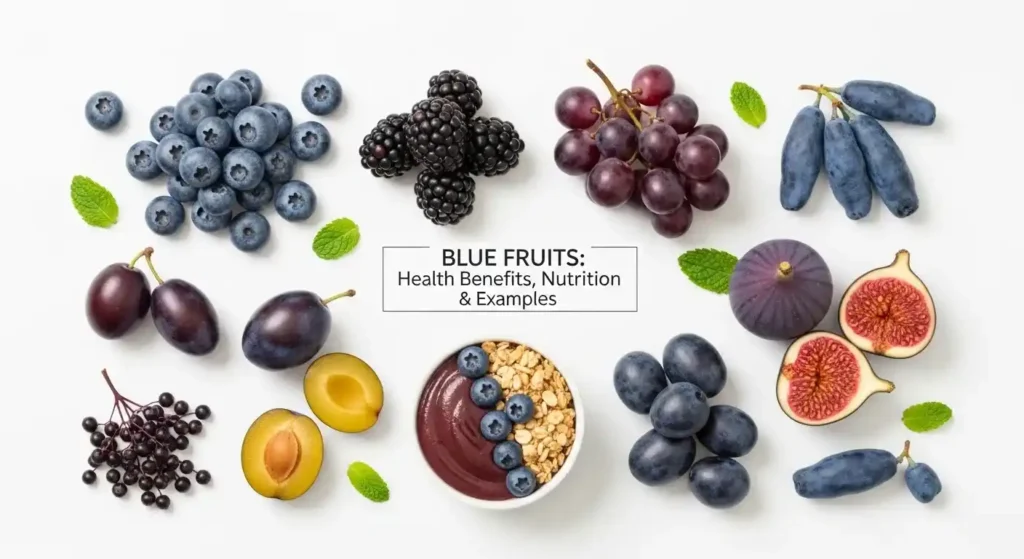

The Appeal of Blue Fruits
Blue fruits are not only visually stunning but also packed with nutrients. Their deep, vibrant colors indicate that they offer significant health benefits. These fruits, including berries and grapes, have earned a reputation as superfoods—delivering essential vitamins and minerals while also containing powerful compounds that promote long-term well-being.
The Science Behind the Color
The captivating color of blue fruits comes from anthocyanins, a type of polyphenolic compound responsible for the rich purple to blue hues in various fruits and vegetables. These natural pigments do more than just make food look appealing; they also act as bioactive molecules with potential therapeutic effects. Ongoing research is uncovering the ways in which anthocyanins support heart health, brain function, and cellular protection.
How Blue Fruits Fight Aging and Disease
One of the key reasons why blue fruits are considered beneficial for health is their high antioxidant content. Antioxidants are substances that help neutralize harmful molecules called free radicals, which can cause damage to cells and contribute to aging and chronic diseases. By consuming foods rich in antioxidants like blue fruits, we can:
- Combat oxidative stress and reduce cellular damage
- Support our immune system’s ability to fight off infections
- Lower inflammation levels in the body
- Protect our DNA and maintain healthy cell structures
These mechanisms make blue fruits particularly valuable for individuals looking to enhance their well-being through natural dietary choices. Incorporating these colorful foods into our meals can be an effective strategy for promoting overall health.
Table of Contents
Nutritional Powerhouses: Exploring the Nutritional Profile of Blue Fruits
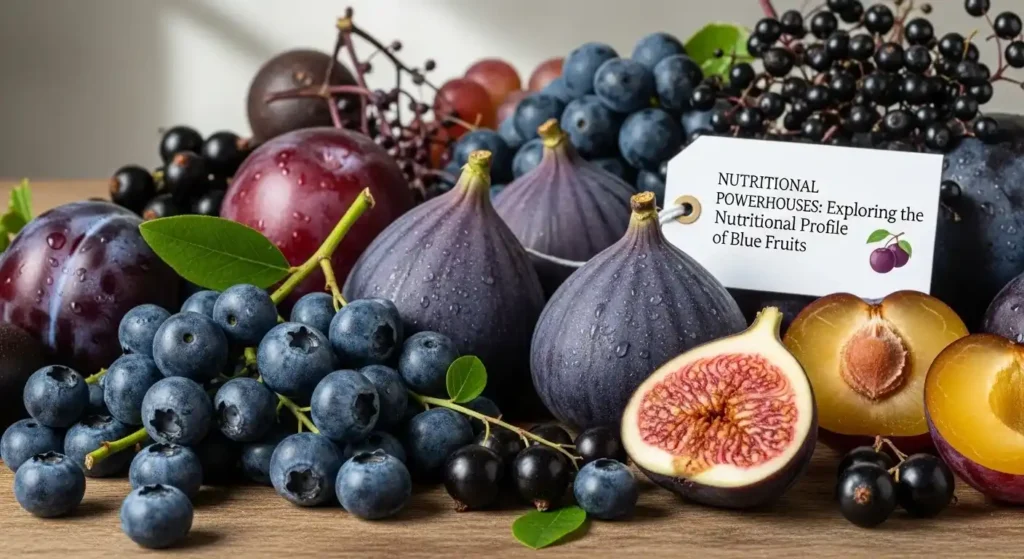
Blue fruits are packed with essential nutrients that make them valuable additions to any healthy eating plan. These naturally vibrant foods deliver concentrated doses of vitamins, minerals, and beneficial plant compounds that work together to support optimal body function.
Nutritional Benefits of Blue Fruits
Here are some key nutrients found in blue fruits and their benefits:
1. Vitamin C
Vitamin C stands out as one of the most abundant nutrients in blue fruits, with many varieties providing substantial portions of daily requirements. This water-soluble vitamin acts as a potent immune system booster, supports collagen synthesis for healthy skin and joints, and enhances iron absorption from plant-based foods. A single cup of blueberries delivers approximately 25% of the recommended daily vitamin C intake.
2. Fiber
Fiber content in blue fruits contributes significantly to digestive health and blood sugar regulation. This indigestible carbohydrate promotes healthy gut bacteria growth, helps maintain steady glucose levels, and supports cardiovascular health by binding to cholesterol in the digestive tract. The fiber in these fruits also creates feelings of satiety, making them excellent choices for weight management.
3. Polyphenols
Polyphenols represent the most distinctive nutritional feature of blue fruits. These bioactive compounds include anthocyanins, flavonoids, and phenolic acids that demonstrate remarkable protective properties. Research indicates these plant chemicals may help reduce oxidative stress, support cognitive function, and protect against chronic diseases. The concentration of polyphenols varies among different blue fruit varieties, with darker-colored fruits typically containing higher levels of these beneficial compounds.
For more insights on incorporating nutrient-dense foods into your wellness routine, visit Be Calm More.
Harnessing the Health Benefits: Why You Should Include Blue Fruits in Your Diet

Heart Health
The remarkable heart health benefits of blue fruits stem from their ability to strengthen cardiovascular function through multiple pathways. Regular consumption helps lower LDL cholesterol levels while simultaneously reducing blood pressure, creating a protective shield for your arteries. The anthocyanins in these fruits work to improve blood vessel flexibility and reduce arterial stiffness, which directly translates to better circulation and reduced strain on your heart.
Inflammation Reduction
Inflammation reduction represents another compelling reason to embrace blue fruits in your daily nutrition plan. Chronic inflammation serves as the underlying factor in numerous health conditions, from arthritis to autoimmune disorders. Blue fruits contain potent anti-inflammatory compounds that actively combat inflammatory markers throughout your body, supporting a robust immune system that can better defend against infections and diseases.
Diabetes Prevention
The role of blue fruits in diabetes prevention cannot be overstated. These natural powerhouses help regulate blood sugar levels through their unique fiber content and bioactive compounds. The anthocyanins present in blue fruits enhance insulin sensitivity, allowing your cells to utilize glucose more effectively. This improved glucose metabolism reduces the risk of developing type 2 diabetes while helping those with existing blood sugar concerns maintain better glycemic control.
Studies consistently demonstrate that individuals who consume blue fruits regularly experience lower rates of metabolic syndrome, a cluster of conditions that increase diabetes and heart disease risk. For those seeking natural approaches to wellness, incorporating blue fruits into your routine provides scientifically-backed benefits that extend far beyond basic nutrition.
A Closer Look at Popular Blue Fruits and Their Unique Benefits
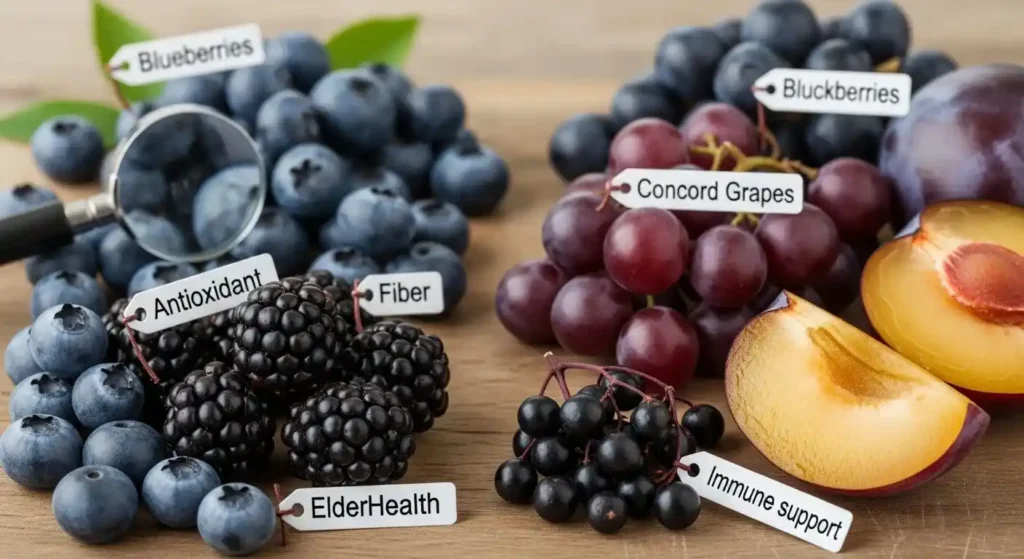
The world of blue fruits offers a diverse array of nutritional powerhouses, each bringing its own distinctive profile of vitamins, minerals, and health-promoting compounds to your plate.
1. Blueberries
Blueberries stand as the most recognizable member of this colorful family. Blueberries nutrition includes exceptional levels of vitamin C, providing approximately 25% of your daily needs in just one cup, alongside significant amounts of vitamin K and manganese. These small berries pack nearly 4 grams of fiber per serving while maintaining a low calorie count, making them ideal for weight management and digestive health.
2. Blackberries
Blackberries deliver a robust nutritional punch with their deep purple-blue hue. Blackberries nutrients encompass high concentrations of vitamin K, essential for proper blood clotting and bone health, plus substantial fiber content that supports digestive wellness. Their manganese content aids in bone development and wound healing.
3. Elderberries
Elderberries have earned recognition for their immune-supporting properties. The elderberries immune boost comes from their rich vitamin C and B6 content, traditionally used to combat cold and flu symptoms. These purple-blue berries contain potent anthocyanins that enhance the body’s natural defense mechanisms.
4. Concord Grapes
Concord grapes contribute unique benefits through their concentrated antioxidant profile. Research suggests these purple-blue grapes may enhance memory function, improve mood, and support brain health through their specialized polyphenol compounds.
5. Black Currants
Black currants provide exceptional vitamin C levels, surpassing many citrus fruits, while damson plums offer digestive benefits through their high fiber content. Even innovative blue tomatoes combine traditional lycopene with enhanced anthocyanin levels, creating a unique nutritional profile that supports heart health and reduces inflammation markers.
For more insights on incorporating these nutrient-dense foods into a balanced lifestyle, visit https://becalmore.xyz/.
Anthocyanins: The Secret Behind the Health Benefits of Blue Fruits

Anthocyanins antioxidants are powerful compounds found in blue fruits that offer numerous health benefits. These pigments, belonging to the flavonoid family, are responsible for the vibrant colors of these fruits, ranging from deep purple to bright blue.
When you enjoy a delicious blueberry or blackberry, you’re not just indulging in a tasty treat – you’re also consuming a wide variety of anthocyanin compounds, each with its own unique protective qualities.
How Anthocyanins Work
At the cellular level, anthocyanins work as antioxidants by neutralizing harmful free radicals that can cause damage to DNA, proteins, and cell membranes. This antioxidant activity is more potent than many other plant compounds, making anthocyanins particularly effective at:
- Reducing oxidative stress throughout the body
- Protecting blood vessels from inflammation
- Supporting brain health by crossing the blood-brain barrier
- Improving insulin sensitivity for better blood sugar control
Studies have shown that different types of blue fruits contain varying amounts of anthocyanins, with wild varieties typically having higher levels than cultivated ones. Additionally, factors like pH levels, temperature, and storage conditions can affect the stability of these compounds, which is why consuming fresh fruits often provides the greatest benefits.
Enhancing Anthocyanin Absorption
The body absorbs anthocyanins more effectively when they are consumed alongside certain nutrients. This creates synergistic effects that enhance their health-promoting properties. It also explains why whole fruits offer greater benefits compared to isolated supplements.
To optimize your intake of anthocyanins and other beneficial compounds, consider incorporating a variety of blue fruits into your diet. This approach not only supports stress management but also promotes overall well-being through nutrition.
Incorporating Blue Fruits Into Your Daily Routine for Optimal Health

Eating blue fruits daily becomes effortless when you strategically weave them into your existing meal patterns. The key lies in creating sustainable habits that make these nutrient-dense powerhouses a natural part of your routine.
Morning Fuel
Start your day by adding a handful of blueberries to your breakfast cereal, oatmeal, or yogurt. You could also try a delicious blueberry compote as a topping. Blend frozen blackberries into smoothies alongside your favorite protein powder and leafy greens. The natural sweetness eliminates the need for added sugars while delivering a concentrated dose of anthocyanins to kickstart your metabolism.
Midday Energy Boosts
Transform your afternoon snack routine by pairing fresh blue fruits with nuts or seeds. Create trail mix combinations using dried elderberries or black currants mixed with almonds and walnuts. Keep frozen grapes in your freezer for a refreshing treat that satisfies sweet cravings while providing sustained energy.
Evening Integration
Incorporate blue fruits into savory dishes by adding fresh blackberries to salads or using concord grape reductions as marinades for lean proteins. Damson plums work excellently in grain bowls, while blue tomatoes can replace regular varieties in pasta dishes and salsas.
Preparation Strategies
- Batch wash fresh berries at the beginning of each week
- Freeze portions in single-serving containers for convenient smoothie additions
- Pre-portion mixed berry combinations for grab-and-go snacking
- Prep fruit salads combining multiple blue varieties for maximum nutrient diversity
- Make protein chia pudding with blueberries for a healthy snack option (recipe here)
Creating these simple systems ensures that incorporating wellness practices becomes second nature, making it easier to maintain consistent consumption patterns that support long-term health goals.
Beyond Eating: Exploring Other Uses of Blue Fruit Components for Wellness

The wellness potential of blue fruits extends far beyond their consumption as whole foods. Various parts of these plants offer therapeutic benefits through alternative preparation methods that concentrate their beneficial compounds.
Benefits of Blueberry Leaf Tea
Blueberry leaf tea benefits include anti-inflammatory properties and blood sugar regulation support. The leaves contain similar anthocyanins found in the berries, making them valuable for herbal preparations. Steeping dried blueberry leaves creates a caffeine-free beverage rich in antioxidants that may help manage glucose levels and support digestive health.
The Power of Elderberry Syrup
Elderberry syrup represents another powerful application, traditionally used to combat cold and flu symptoms. This concentrated form delivers high doses of immune-boosting compounds, making it particularly effective during seasonal illness periods.
Other Natural Remedy Applications
In addition to blueberry and elderberry remedies, various other natural applications harness the therapeutic potential of blue fruits:
- Blackberry leaf poultices for skin irritations and minor wounds
- Grape seed extract supplements for cardiovascular support
- Black currant oil capsules for joint health and inflammation reduction
- Dried elderflower preparations for respiratory wellness
Aromatherapy Benefits and Culinary Uses
Essential oils derived from blue fruit components offer aromatherapy benefits, while freeze-dried powders can be incorporated into smoothies, yogurt, or baked goods for concentrated nutrition. These alternative forms allow individuals to access the therapeutic compounds of blue fruits year-round, regardless of seasonal availability.
For those interested in exploring natural wellness approaches, Be Calm More offers additional resources on incorporating plant-based remedies into daily health routines.
Conclusion
Blue fruits are an essential part of a healthy lifestyle. They offer a wide range of benefits that make them irreplaceable in our diets. From vitamin C-rich blueberries to immune-boosting elderberries, each type of blue fruit has its own unique nutritional benefits that work together to promote overall well-being.
These fruits should always have a spot on your plate, not just because they look and taste great, but also because they can:
- Reduce inflammation and oxidative stress
- Improve heart health
- Strengthen the immune system
- Balance blood sugar levels
- Provide important vitamins and minerals
The compounds called anthocyanins, which give these fruits their blue color, are nature’s way of fighting against chronic diseases. Whether you’re starting your day with a blueberry smoothie, enjoying blackberries as a snack, or sipping on elderberry tea for wellness, you’re making an investment in your long-term health.
It’s important to remember that variety is key. By including different types of blue fruits in your diet, you ensure that you’re getting all the nutrients and antioxidants they have to offer.
FAQs (Frequently Asked Questions)
What are blue fruits and why are they important in our diet?
Blue fruits are a group of fruits characterized by their vibrant blue to purple hues, primarily due to the presence of anthocyanins. They are significant in our diet because they provide essential nutrients and antioxidants that support overall health and well-being.
How do anthocyanins contribute to the health benefits of blue fruits?
Anthocyanins are natural compounds responsible for the deep blue and purple colors in blue fruits. They possess powerful antioxidant properties that help combat oxidative stress, reduce inflammation, and promote heart health, making them a key factor in the health benefits associated with consuming blue fruits.
What essential nutrients can be found in blue fruits?
Blue fruits are rich in vital nutrients such as vitamin C, dietary fiber, and polyphenols. Vitamin C supports immune function, fiber aids digestion and promotes gut health, while polyphenols contribute additional antioxidant effects that may positively impact overall bodily functions.
How do blue fruits support heart health and help manage inflammation?
Regular consumption of blue fruits has been linked to cardiovascular benefits including improved heart health by reducing blood pressure and cholesterol levels. Their anti-inflammatory properties help lower inflammation markers in the body, supporting a healthy immune system and reducing risks associated with chronic diseases.
Which popular blue fruits offer unique nutritional advantages?
Popular blue fruits like blueberries, blackberries, elderberries, and concord grapes each have distinct nutritional profiles. For example, blueberries are known for their high antioxidant content; elderberries provide immune-boosting benefits; blackberries offer substantial fiber; and concord grapes contribute various polyphenols beneficial for health.
What are some practical ways to incorporate blue fruits into my daily diet?
Incorporating blue fruits into your daily routine can be simple and delicious. You can add fresh or frozen blueberries to your morning cereal or smoothie, snack on blackberries or elderberries throughout the day, include them in salads or desserts, or even enjoy blueberry leaf tea as an alternative way to harness their wellness benefits.