Fennel seeds are a prime example of the rich culinary heritage of the Mediterranean region. These small, oval-shaped seeds, which can range in color from greenish to yellowish-brown, have a distinct sweet aroma similar to …
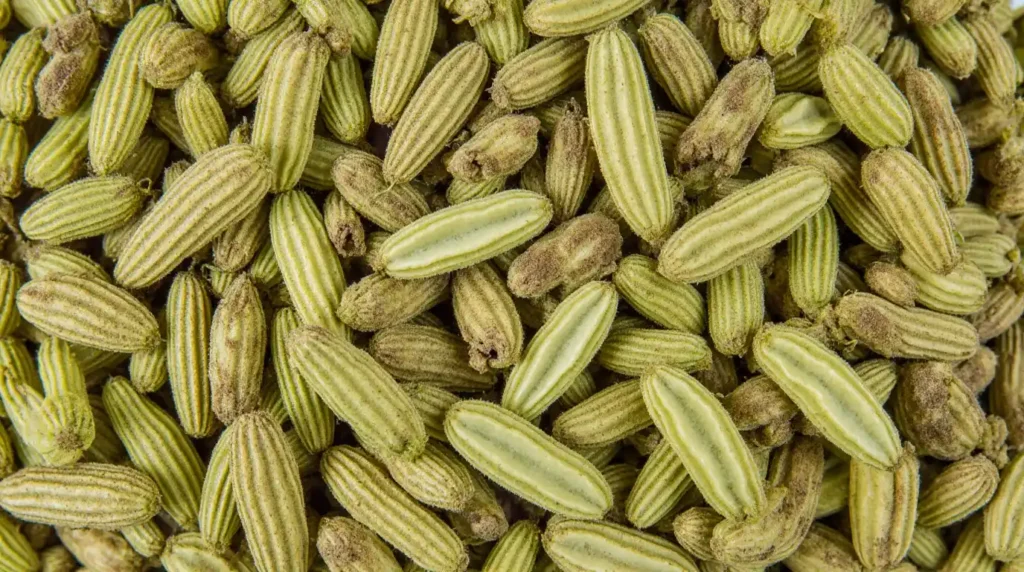

Fennel seeds are a prime example of the rich culinary heritage of the Mediterranean region. These small, oval-shaped seeds, which can range in color from greenish to yellowish-brown, have a distinct sweet aroma similar to licorice or anise. The story of fennel seeds begins in the sunny Mediterranean, where the fennel plant (Foeniculum vulgare) first thrived as a hardy perennial herb.
The parent plant belongs to the carrot family (Apiaceae) and displays remarkable characteristics:
- Height: Grows up to 6 feet tall
- Foliage: Delicate, feathery leaves resembling dill
- Flowers: Bright yellow blooms in umbrella-shaped clusters
- Bulb: White, crisp base used as a vegetable
- Seeds: Develop in the dried flower heads
The fennel plant’s ability to adapt has allowed it to grow in various climates around the world. Every part of this versatile herb has its own purpose – from the crunchy bulb to the fragrant seeds. The seeds, in particular, hold great importance in global cuisine and traditional medicine, carrying on a legacy that spans thousands of years of human history.
These Mediterranean seeds have gone beyond their original home and are now a common ingredient in kitchens worldwide. They are cherished for their culinary uses and potential health benefits.
Table of Contents
Culinary Uses of Fennel Seeds
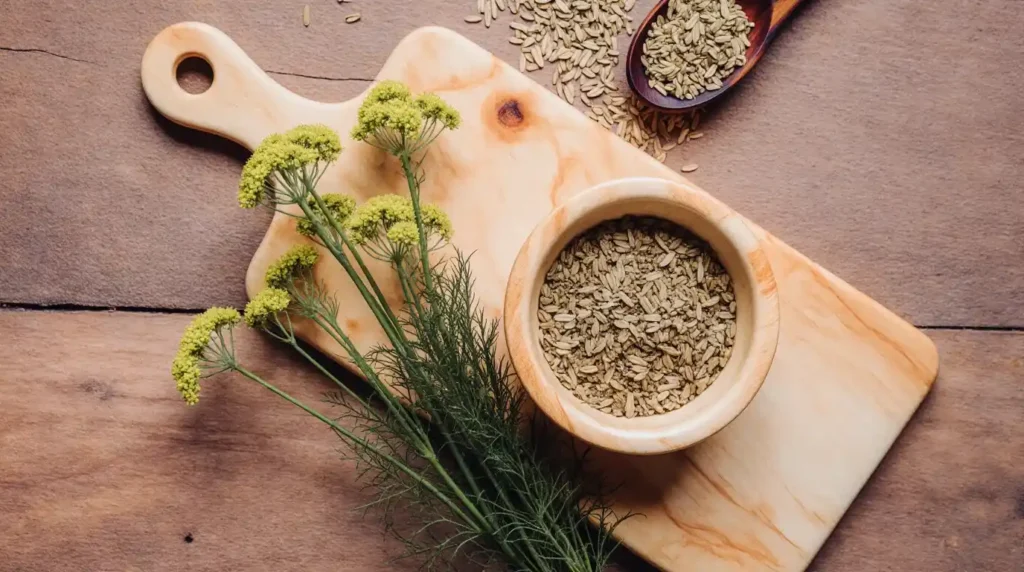
Fennel seeds are a key ingredient in many cooking styles around the world. Their unique sweet-licorice taste and fragrant aroma add richness to a wide range of meals, including Indian curries and Italian sausages.
Global Culinary Applications:
- Mediterranean Cuisine: Essential in Italian sausage making, fish dishes, and pasta sauces
- Indian Cooking: Key component in the “panch phoron” five-spice blend and various curry preparations. In fact, fennel seeds are adding a ton of depth to my Indian dishes.
- Middle Eastern Dishes: Featured in breads, stews, and spice mixtures
- Chinese Recipes: Used in traditional five-spice powder and braised dishes
The seeds release their full flavor potential through different cooking methods:
- Dry roasting to intensify the natural oils
- Crushing or grinding for spice blends
- Whole seed incorporation in slow-cooked dishes
Popular Dishes Enhanced by Fennel Seeds:
- Italian meatballs and marinara sauce
- Indian naan bread and biryani
- Pickled vegetables
- Rye bread and other baked goods
- Spiced teas and beverages
Fennel seeds contribute a unique flavor layering in recipes:
- Base notes: Sweet and warm
- Mid notes: Licorice-like essence
- Top notes: Fresh, slightly minty undertones
Creative Culinary Applications:
- Spice rubs for grilled meats
- Homemade sausage seasoning
- Custom tea blends
- Flavored oils and vinegars
- Specialty baked goods
The seeds pair exceptionally well with:
- Fish and seafood
- Pork and poultry
- Root vegetables
- Tomato-based sauces
- Citrus fruits
Professional chefs often incorporate fennel-seeds in their signature spice blends, while home cooks appreciate their ability to transform simple dishes into aromatic culinary experiences.
Nutritional Value and Health Benefits of Fennel Seeds
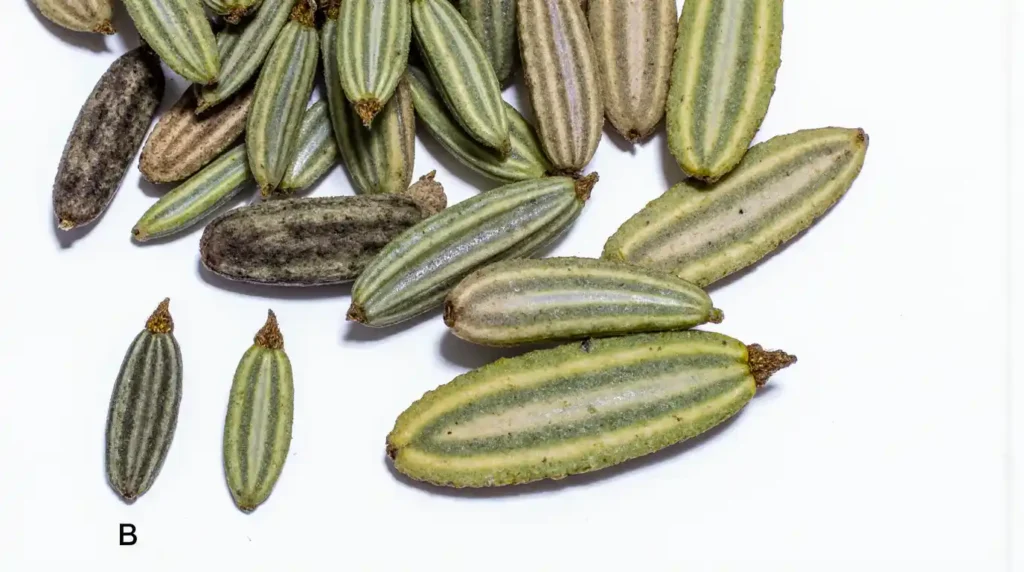
Fennel seeds may be small, but they are packed with nutrients. These flavorful seeds are rich in essential nutrients that offer a wide range of health benefits.
Nutritional Profile of Fennel Seeds
Here’s a breakdown of the nutritional content found in 100 grams of fennelseeds:
Macronutrients
- Carbohydrates: 52.29g
- Dietary fiber: 39.8g
- Protein: 15.8g
Vital Minerals
- Calcium: 1196mg
- Potassium: 1694mg
- Iron: 18.54mg
- Magnesium: 385mg
- Manganese: 6.533mg
Essential Vitamins
- Vitamin C
- B-complex vitamins
- Vitamin A
- Vitamin E
The impressive nutritional profile of fennel-seeds contributes to their many health benefits. These seeds contain powerful compounds such as essential oils, phenolic compounds, and flavonoids, which have antioxidant properties.
Promoting Digestive Health
Fennel seeds have been used for centuries in traditional medicine to support digestive health. Here are some ways in which these seeds can benefit your digestion:
- Relief from bloating and gas
- Reduction of intestinal spasms
- Support for healthy digestion
- Natural appetite control
Fighting Inflammation
Research suggests that fennelseeds may possess significant anti-inflammatory properties. Here’s how these seeds can help reduce inflammation in the body:
- Reduction in inflammatory markers
- Support for gastrointestinal health
- Protection against oxidative stress
- Management of chronic inflammation
The presence of anethole, a key compound found in fennel-seeds, is believed to contribute to their anti-inflammatory effects.
Supporting Women’s Health
Fennel seeds have also been traditionally used to support women’s health. Here are some potential benefits for women:
- Supporting healthy lactation
- Reducing menstrual discomfort
- Alleviating menopausal symptoms
Potential Benefits for Heart and Respiratory Health
Some studies suggest that fennelseeds may have positive effects on heart and respiratory health. Here are a few potential benefits:
- Blood sugar management through fiber content
- Cholesterol level regulation
- Heart health support through antioxidant effects
- Respiratory health improvement
How to Incorporate Fennel Seeds into Your Diet
If you’re looking to reap the benefits of fennelseeds, here are some simple ways to include them in your diet:
- Add crushed fennelseeds to your smoothies or yogurt for an extra nutritional boost.
- Use fennelseeds as a spice in your cooking, such as curries, stir-fries, or roasted vegetables.
- Brew fennel seed tea by steeping crushed seeds in hot water for about 10 minutes.
- Sprinkle toasted fennelseeds over salads or grain bowls for added flavor and crunch.
Remember to enjoy fennelseeds as part of a balanced diet for optimal health benefits!
Medicinal Uses and Safety Considerations of Fennel Seeds
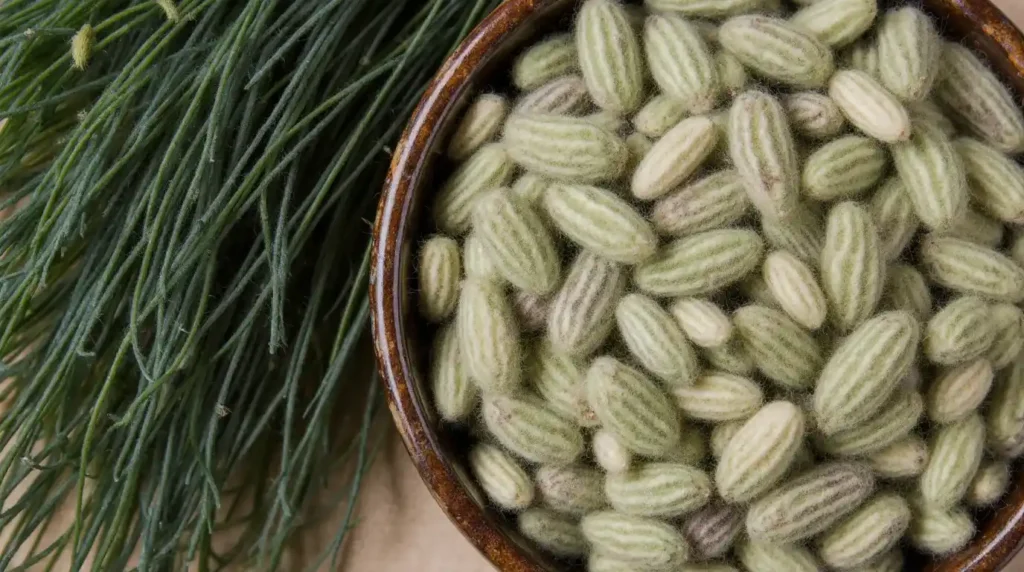
Research on fennel seeds’ medicinal properties presents a complex landscape of traditional claims and scientific investigations. While historical uses span centuries across different cultures, current scientific evidence remains limited in scope and depth.
Traditional Medicinal Applications:
- Treatment of menstrual disorders
- Relief from menopausal symptoms
- Support for nursing mothers
- Management of respiratory conditions
Scientific studies have shown mixed results regarding these traditional uses. Research gaps exist in determining optimal dosages, long-term effects, and specific mechanisms of action.
Safety Considerations
The presence of estragole in fennel seeds raises important safety considerations. This naturally occurring compound has demonstrated carcinogenic effects in animal studies, particularly at high concentrations.
Key safety factors to consider:
- Dosage SensitivityNormal culinary amounts considered safe
- Concentrated forms require careful consideration
- Therapeutic doses need professional guidance
- Population-Specific ConcernsPregnant women should exercise caution
- Children may be more sensitive to effects
- Individuals with hormone-sensitive conditions need medical consultation
- Drug InteractionsMay interact with blood-thinning medications
- Potential effects on hormone therapy
- Could influence absorption of certain medications
Research Status
Current scientific investigations focus on:
- Isolation of active compounds
- Understanding biochemical mechanisms
- Establishing safety parameters
- Documenting interaction effects
Laboratory studies continue to examine the relationship between estragole content and potential health impacts. Research priorities include determining safe consumption levels and identifying populations at higher risk for adverse effects.
Cultivation, Commercial Significance, and Ecological Impact of Fennel Seeds
The global fennel seed market thrives through extensive cultivation across diverse geographical regions. India stands as the world’s leading producer, contributing approximately 85% of the global fennel seed production. Key Indian cultivation regions include:
- Gujarat
- Rajasthan
- Madhya Pradesh
- Uttar Pradesh
The plant’s adaptability to various soil conditions enables successful cultivation in:
- Mediterranean countries
- China
- Egypt
- Turkey
Indian fennel cultivation benefits from specific climatic advantages:
- Moderate rainfall (50-70cm annually)
- Well-draining soil
- Temperature range of 15-25°C
- Full sun exposure
The commercial significance of fennel extends beyond culinary applications into:
- Essential oil production
- Pharmaceutical industry
- Cosmetic manufacturing
- Animal feed supplements
Ecological Considerations
The fennel plant demonstrates remarkable adaptability, which creates both opportunities and challenges. As an invasive species, fennel has established itself in various ecosystems outside its native Mediterranean range:
- Displaces native vegetation
- Alters soil chemistry
- Creates dense stands that restrict wildlife movement
- Reduces biodiversity in affected areas
Critical Impact Zones:
- California coastal areas
- Australian grasslands
- New Zealand natural habitats
- South American temperate regions
Farmers and ecological managers implement specific control measures:
- Regular monitoring of non-native areas
- Mechanical removal of invasive stands
- Targeted herbicide application
- Integrated pest management strategies
The commercial cultivation of fennel requires careful balance between agricultural productivity and ecological responsibility, particularly in regions where the plant shows invasive tendencies.
Culinary Preparation Methods for Fennel Seeds and Bulbs
Unlocking the full potential of fennelseeds begins with proper preparation techniques. A simple toasting process transforms these aromatic seeds into flavor powerhouses:
Toasting Techniques
- Heat a dry skillet over medium heat
- Add fennel seeds in a single layer
- Shake the pan gently for 1-2 minutes until fragrant
- Remove immediately when light brown to prevent burning
- Cool completely before storing
Grinding Methods
- Manual Options:
- Mortar and pestle – ideal for small quantities
- Spice grinder – perfect for larger amounts
- Coffee grinder dedicated to spices
- Storage Tips:
- Keep whole seeds for up to 2 years
- Store ground fennel in airtight containers
- Use within 6 months for optimal flavor
Fresh Fennel Bulb Applications
The versatile fennel bulb offers distinct preparation methods:
Raw Preparations:
- Thinly sliced for salads
- Shaved into coleslaw
- Paired with citrus segments
- Added to crudité platters
- Used as a base for light dips
Cooked Applications:
- Roasted with olive oil and herbs
- Braised in white wine
- Grilled until caramelized
- Sautéed as a side dish
- Incorporated into soups and stews
Pro Tips:
For maximum flavor extraction, crush fennel seeds slightly before adding to recipes. This releases essential oils and intensifies the aromatic compounds.
The combination of properly prepared fennel seeds and fresh bulb creates endless culinary possibilities, from traditional Mediterranean dishes to modern fusion cuisine.
Conclusion
Fennel seeds are a great example of how nature provides us with food and medicine. These small seeds add a distinct sweet, licorice flavor to many dishes around the world and also offer significant health benefits.
The importance of fennel seeds goes beyond just being a tasty spice:
- Packed with essential nutrients and antioxidants
- Can be used in various cooking methods, from baking to savory meals
- Have been used for medicinal purposes for hundreds of years
- Grown sustainably in different climates
Fennel seeds have come a long way from ancient Mediterranean gardens to our modern kitchens. They hold a special place in human culture. Whether used as a topping on bread, brewed in tea, or blended into spice mixes, these seeds continue to elevate our cooking experiences and promote well-being.
As more studies reveal their properties, fennel seeds bridge the gap between traditional knowledge and modern nutrition. You can find them in gardens, markets, and kitchens worldwide, showcasing their timeless charm and versatility. The unassuming fennel seed is an excellent example of how one ingredient can be a beloved spice, a health booster, and a link to centuries-old culinary traditions all at once.
FAQs (Frequently Asked Questions)
What are fennel seeds and where do they originate?
Fennel seeds are aromatic seeds derived from the fennel plant, a Mediterranean herb known for its sweet and flavorful profile. Originating in the Mediterranean region, these seeds have been used for centuries in culinary and medicinal applications.
How are fennel seeds used in cooking around the world?
Fennel seeds are versatile spices used globally to enhance flavor in various dishes. Their aromatic and sweet taste complements many cuisines, commonly added to breads, curries, sauces, and meat dishes to enrich flavor profiles.
What nutritional benefits do fennel seeds offer?
Fennel seeds are rich in essential oils, minerals, and nutrients that support digestive health. They possess anti-inflammatory properties and have traditionally been used to aid digestion and promote overall wellness.
Are there any safety concerns related to the medicinal use of fennel seeds?
While fennel seeds have been used medicinally, limited scientific evidence supports their efficacy. The presence of estragole, a compound found in fennel seeds, has raised some safety considerations due to potential carcinogenic effects, suggesting moderation is advisable.
How is fennel cultivated and what is its ecological impact?
Fennel is cultivated globally with India being a major producer of fennel seeds. However, the plant can act as an invasive species in certain ecosystems, potentially impacting local biodiversity and requiring management to prevent ecological imbalance.
What are common culinary preparation methods for using fennel seeds and bulbs?
Toasting fennel seeds enhances their flavor before grinding them into powders for spice blends. Additionally, fresh fennel bulbs are used in various dishes for their crisp texture and subtle anise flavor, offering diverse culinary applications.