Understanding High Porosity Hair High porosity hair has a unique structure where the hair cuticle - the protective outer layer of each strand - stands raised or lifted. Think of your hair's surface like shingles …

Understanding High Porosity Hair
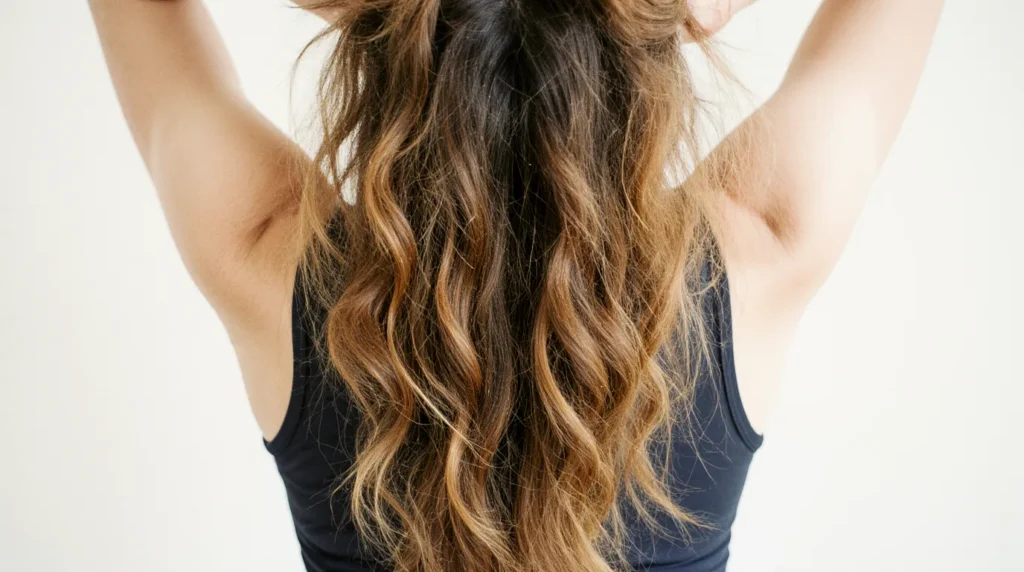
High porosity hair has a unique structure where the hair cuticle – the protective outer layer of each strand – stands raised or lifted. Think of your hair’s surface like shingles on a roof. When these shingles lift, they create tiny gaps or pores that allow substances to pass through easily.
The hair cuticle plays a vital role in your hair’s health:
- Acts as a protective barrier for the inner hair shaft
- Controls moisture absorption and retention
- Determines how products interact with your hair
- Influences your hair’s shine and manageability
Your hair’s porosity level directly impacts how your hair:
- Absorbs water and products
- Retains moisture
- Responds to styling
- Maintains its health
Understanding your hair’s porosity helps you make informed decisions about:
Product Selection
- Choose products that match your hair’s absorption needs
- Select appropriate moisturizing ingredients
- Pick effective styling products
Hair Care Routine
- Determine optimal washing frequency
- Select appropriate drying methods
- Create effective moisturizing schedules
High porosity hair requires specific care strategies due to its structure. When you understand your hair’s porosity level, you can adapt your hair care routine to address its unique needs and challenges.
Table of Contents
The Science Behind High Porosity Hair
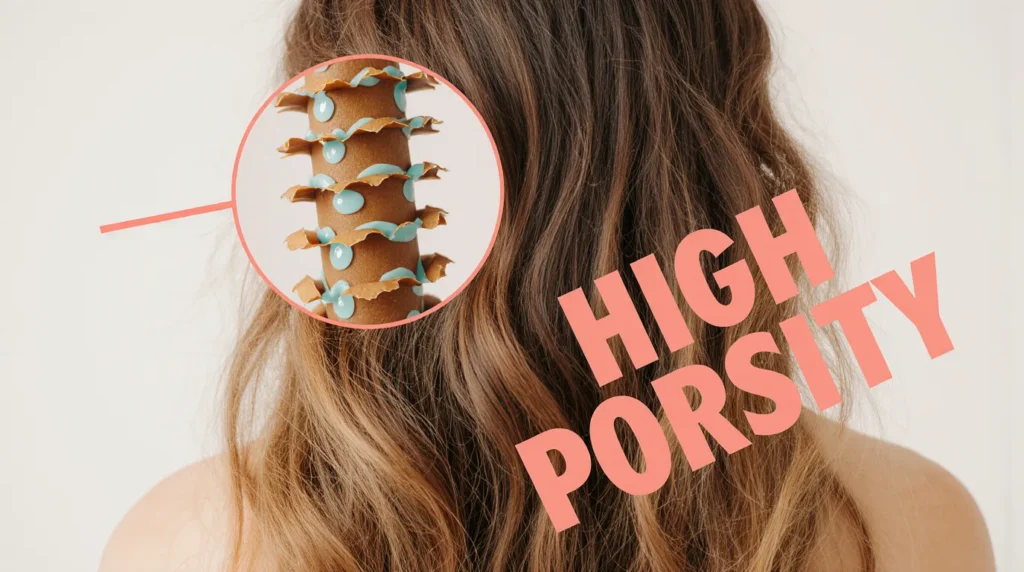
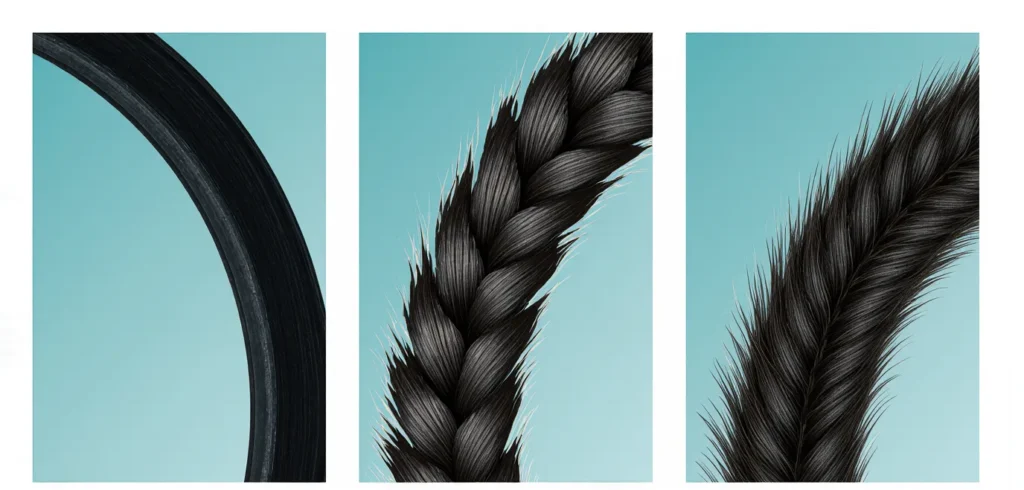
The hair shaft has three layers: the medulla, cortex, and cuticle. The cuticle layer is like a protective shield for your hair, made up of overlapping cells that look like fish scales or roof shingles.
In high porosity hair, these cuticle cells are raised and lifted instead of lying flat against the hair shaft. This creates tiny gaps or “pores” between the cells, exposing the inner cortex layer. It’s similar to a roof with loose or damaged shingles – water can easily seep through the gaps.
How Raised Cuticles Affect Your Hair
The raised cuticle structure impacts your hair in two main ways:
- Rapid Absorption: The gaps between cuticle cells allow water, products, and oils to penetrate quickly into the hair shaft
- Poor Retention: These same openings make it difficult for your hair to hold onto moisture and nutrients
The Role of Protein Structure in High Porosity Hair
Your hair’s protein structure also plays a role. When the cuticle is damaged, it exposes the protein-rich cortex, which can lead to:
- Increased vulnerability to protein loss
- Susceptibility to environmental damage
- Higher likelihood of tangling and breakage
Signs of High Porosity Hair
The science behind high porosity explains why your hair might feel:
- Dry even after moisturizing regularly
- Rough or coarse to touch
- Easily saturated during washing
- Quick to dry after getting wet
Understanding this structural characteristic helps you choose appropriate products and techniques that work with your hair’s unique absorption patterns.
Identifying and Testing High Porosity Hair
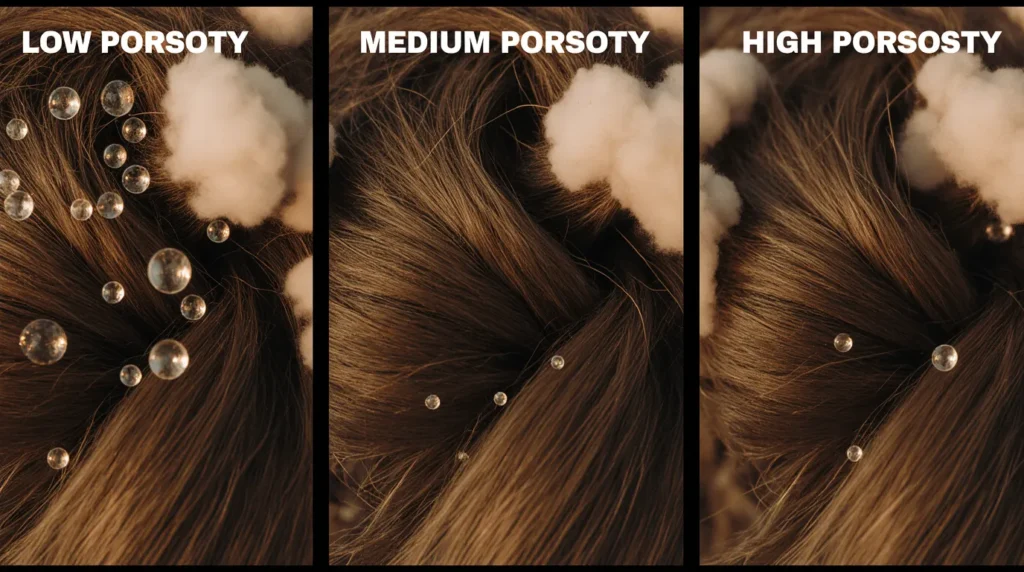
Recognizing high porosity hair involves observing specific characteristics and conducting simple tests. Here are the key signs to watch for:
Physical Signs
- Hair absorbs water instantly when wet
- Strands dry unusually fast
- Frequent tangles and knots
- Rough, straw-like texture
- Dull appearance lacking natural shine
- Excessive frizz in humid conditions
- Breaks easily during styling
- Products seem to “disappear” quickly
The Water Test
- Take a clean strand of shed hair
- Fill a glass with room temperature water
- Place the strand on the water’s surface
- Watch for 2-4 minutes
High porosity hair sinks immediately or within seconds due to its rapid water absorption. This quick sinking indicates raised cuticles allowing water to penetrate rapidly.
Additional Testing Methods
- Spray Bottle Test: Mist water on dry hair – immediate absorption indicates high porosity
- Slip Test: Run fingers up a strand – bumpy texture suggests raised cuticles
- Product Assessment: Notice if hair products absorb instantly without leaving residue
These identification methods help determine appropriate hair care routines and product selections for managing high porosity hair effectively.
Challenges Faced by High Porosity Hair Types
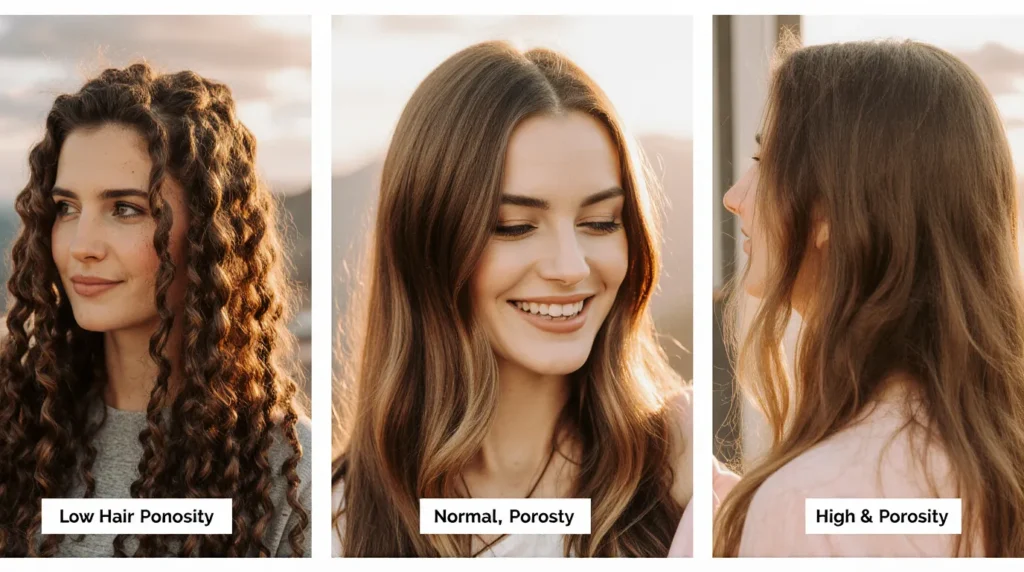
High porosity hair experiences unique challenges that can make daily hair care particularly demanding. The raised cuticle structure creates a persistent cycle of moisture-related issues that affect hair health and manageability.
1. Rapid Moisture Loss
- Hair quickly absorbs water during washing
- Moisture evaporates within hours
- Leaves strands feeling dry and brittle
- Creates a constant need for hydration
- Makes styling difficult between wash days
2. Protein Sensitivity
- Gaps in the cuticle layer affect protein balance
- Hair can become too soft or mushy
- Protein treatments may cause brittleness
- Requires careful protein-moisture balance
3. Environmental Impact
- Humidity causes excessive swelling
- UV rays penetrate deeply into hair shaft
- Wind exposure increases tangling
- Temperature changes affect moisture levels
4. Styling Difficulties
- Products absorb unevenly
- Styles lose definition quickly
- Hair becomes frizzy mid-day
- Tangles form easily during manipulation
- Knots develop at the slightest friction
5. Color and Chemical Processing
- Dye molecules escape quickly
- Color fades faster than normal
- Chemical treatments process too quickly
- Higher risk of over-processing damage
These challenges stem from the hair’s compromised protective layer, making consistent care routines essential for maintaining healthy, manageable hair.
Effective Hair Care Practices for High Porosity Hair
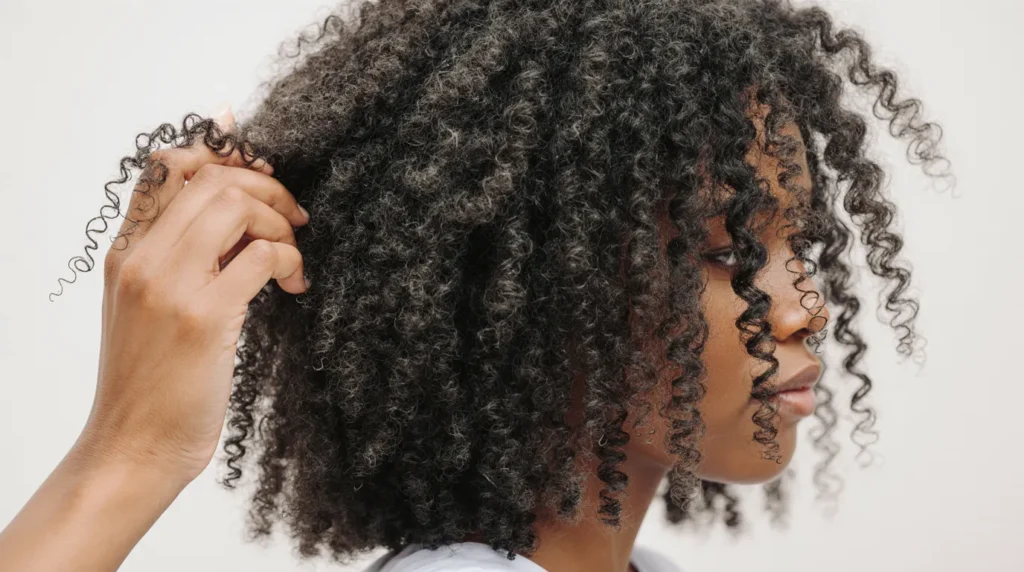
Deep moisturizing routines create the foundation for healthy high porosity hair. Your hair care regimen should focus on moisture retention through strategic product layering and regular deep conditioning treatments.
Here’s a proven moisturizing routine for high porosity hair:
1. Pre-poo Treatment
- Apply coconut oil or avocado oil before washing
- Let it sit for 30 minutes to protect hair during cleansing
2. Deep Conditioning
- Use protein-rich deep conditioners weekly
- Apply product to damp hair in sections
- Cover with a plastic cap for enhanced penetration
- Leave on for 20-30 minutes under moderate heat
3. Product Layering
- Start with water-based leave-in conditioners
- Follow with heavier creams or butters
- Seal with natural oils like jojoba, argan, or castor oil
Heavy Products for Maximum Hydration:
- Shea butter: Creates a protective moisture barrier
- Mango butter: Penetrates deeply while sealing the cuticle
- Avocado oil: Rich in vitamins and fatty acids
- Castor oil: Thick consistency perfect for sealing moisture
- Hair creams: Look for glycerin-rich formulations
Regular application of these heavier products helps fill the gaps in your hair’s cuticle layer, reducing moisture loss and improving manageability. Your hair might need time to adjust to heavier products – start with small amounts and increase gradually based on your hair’s response.
Recommended Products for High Porosity Hair Types
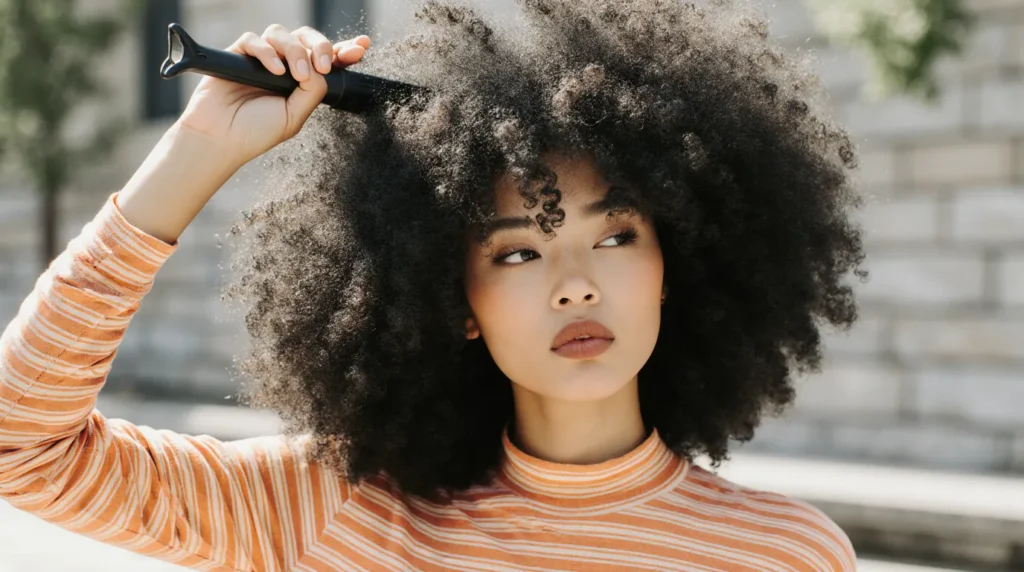
The best products for high porosity hair share specific characteristics that address moisture retention and penetration needs. Look for products containing:
- Glycerin and hyaluronic acid for deep moisture penetration
- Natural oils like argan, jojoba, and coconut oil
- Protein-rich ingredients such as keratin and silk amino acids
- Aloe vera for its humectant properties
Essential Product Categories
Deep Conditioners
- Rich, creamy formulations with molecular weights small enough to penetrate the hair shaft
- Products containing both moisturizing and protein-building ingredients
Leave-in Conditioners
- Lightweight yet moisture-rich formulas
- Water-based products that won’t weigh down the hair
Sealing Oils and Serums
- Heavy oils like castor oil or shea butter to lock in moisture
- Anti-humidity serums with protective polymers
The combination of leave-in conditioners with sealing oils creates a moisture-locking system. Apply your leave-in conditioner to damp hair, allowing it to penetrate the hair shaft. Follow with a sealing oil or serum to trap the moisture inside. This dual-action approach helps maintain hydration levels throughout the day and protects against environmental stressors.
For maximum benefits, layer your products from lightest to heaviest consistency. Start with water-based leave-ins, followed by lighter oils, and finish with heavier butters or serums.
Washing and Drying Tips Tailored for High Porosity Hair Types
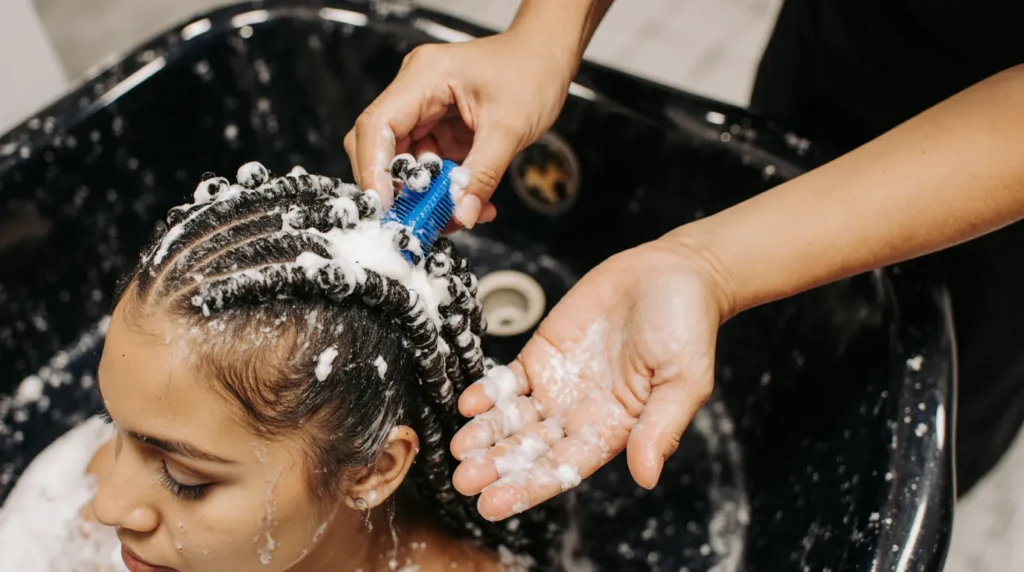
Water temperature plays a crucial role in managing high porosity hair. Warm water creates the ideal balance for cleansing without causing additional damage to your delicate strands. Hot water can strip natural oils and further lift the cuticles, while cold water might seal moisture out completely.
Here’s your optimal washing routine:
- Start with lukewarm water to open the cuticles gently
- Apply sulfate-free shampoo only to your scalp
- Let the shampoo rinse naturally through your lengths
- Use your fingers to detangle in sections while conditioning
- Rinse with slightly cooler water to help seal the cuticles
Drying techniques matter just as much as washing. High porosity hair requires gentle handling to prevent additional damage:
- Replace regular towels with microfiber alternatives or cotton t-shirts
- Avoid rubbing or wringing your hair
- Pat gently to remove excess water
- Allow your hair to air dry 60-70% before using any heat tools
- Section your hair while drying to prevent tangling
Pro tip: Apply your styling products while your hair is still damp. This technique helps lock in moisture and creates a protective barrier around your strands.
Remember to handle your hair with extra care when wet – high porosity strands are most vulnerable to breakage during this time. The right washing and drying techniques can significantly improve your hair’s ability to retain moisture and maintain its health.
Heat Styling and Chemical Treatment Considerations for High Porosity Hair Types
High porosity hair requires extra caution when it comes to heat styling and chemical treatments. The raised cuticles make these strands particularly vulnerable to damage from high temperatures and harsh chemicals.
Heat Styling Guidelines:
- Keep styling temperatures below 350°F (177°C)
- Apply heat protectant products generously
- Use ceramic or tourmaline tools for even heat distribution
- Style hair in small sections to minimize repeated heat exposure
- Allow hair to cool completely before touching or styling
Chemical Treatment Precautions:
- Space chemical treatments 8-12 weeks apart
- Choose gentler formulations specifically designed for damaged hair
- Perform strand tests before any chemical service
- Avoid overlapping chemical treatments on previously processed areas
Protective Measures:
- Use silk or satin-lined caps during heat styling
- Opt for heatless styling methods when possible
- Incorporate protein treatments before and after chemical services
- Schedule regular trim appointments to remove damaged ends
Heat styling and chemical treatments can worsen porosity issues, leading to:
- Increased breakage and split ends
- Further cuticle damage
- Protein loss
- Color fading
- Compromised hair elasticity
Consider embracing your natural texture or exploring protective styles to minimize heat and chemical exposure. When heat styling is necessary, use tools with adjustable temperature settings and digital displays to maintain precise control.
Long-term Maintenance and Repair Strategies for High Porosity Hair Types
Repairing damaged cuticles in high porosity hair requires dedication and a consistent care routine. The key lies in implementing a strategic approach that combines moisture retention with protective practices.
Essential Maintenance Practices:
- Apply protein treatments every 4-6 weeks to strengthen hair structure
- Use cold water rinses to seal the cuticle after conditioning
- Protect hair at night with a silk or satin pillowcase
- Implement protective styling during harsh weather conditions
Effective Repair Techniques:
- Layer products from lightest to heaviest consistency
- Start with a water-based moisturizer
- Follow with a cream-based product
- Seal with natural oils or butter
pH-Balancing Strategy:
Your hair’s optimal pH level ranges between 4.5-5.5. Using pH-balanced products helps flatten the cuticle layer, reducing porosity issues. Regular apple cider vinegar rinses (diluted 1:3 with water) can help restore proper pH balance.
Deep Treatment Schedule:
Create a rotating schedule of treatments:
- Week 1: Protein treatment
- Week 2: Moisture-based mask
- Week 3: Hot oil treatment
- Week 4: Clarifying treatment
The repair process takes time – you’ll typically notice improvements in texture and moisture retention within 3-4 months of consistent care.
Myths vs Facts About High Porosity Hair Types
Let’s clear up some persistent misconceptions about high porosity hair:
Myth: High porosity hair is unmanageable
Fact: With proper care and the right products, high porosity hair can be healthy and manageable. The key lies in understanding your hair’s needs and maintaining consistent care routines.
Myth: You can’t achieve shine with high porosity hair
Fact: While natural shine might be challenging, using appropriate oils and leave-in products can create beautiful, glossy results. Light-reflecting products specifically designed for high porosity hair can enhance shine.
Myth: High porosity hair needs constant washing
Fact: Frequent washing can strip natural oils and increase dryness. A balanced washing schedule (2-3 times per week) combined with proper moisturizing techniques works best.
Myth: High porosity hair can’t be styled
Fact: High porosity hair holds styles well when properly moisturized and sealed. Its ability to absorb products actually makes it receptive to various styling techniques.
Myth: High porosity means damaged hair
Fact: While damage can cause high porosity, some people naturally have high porosity hair. Genetics play a significant role in determining your hair’s porosity level.
Remember: High porosity hair isn’t a curse – it’s simply a characteristic that requires specific care strategies. Understanding your hair’s unique needs helps you develop effective maintenance routines.
FAQs (Frequently Asked Questions)
What is high porosity hair and why is understanding hair porosity important?
High porosity hair refers to hair with raised or damaged cuticles that allow moisture to absorb quickly but also escape easily, leading to dryness. Understanding hair porosity helps tailor effective hair care routines and product choices for healthier hair.
How does the structure of the hair cuticle affect high porosity hair?
In high porosity hair, the cuticle layers are raised or lifted, creating pores along the hair shaft. This structure allows moisture and products to penetrate rapidly but also causes increased moisture loss, resulting in dryness and frizz.
What are common signs of high porosity hair and how can I test my hair’s porosity?
Common signs include dryness, frizz, tangling, and dullness. A quick way to test is the water strand test: place a clean strand of hair in water; if it sinks quickly, your hair likely has high porosity due to rapid water absorption.
What challenges do individuals with high porosity hair typically face?
High porosity hair tends to lose moisture rapidly, leading to dryness and dehydration. It also has an increased tendency for frizz and tangling, making it harder to manage without proper care.
What are effective hair care practices for moisturizing high porosity hair?
Deep moisturizing routines are essential. Using heavier products like oils, butters, and creams helps hydrate and seal moisture into high porosity strands, improving softness and reducing frizz.
Which products are recommended for high porosity hair types?
Products that promote moisture penetration and retention work best. Leave-in conditioners combined with sealing oils or serums provide hydration while locking in moisture for longer-lasting effects.