
Wax Appearance Temperature (WAT) is a critical measurement in industrial operations, particularly in the energy industry. It represents the temperature at which wax crystals first form during the cooling of crude oil. This measurement is …

Wax Appearance Temperature (WAT) is a critical measurement in industrial operations, particularly in the energy industry. It represents the temperature at which wax crystals first form during the cooling of crude oil. This measurement is crucial for making informed operational decisions across various sectors.
WAT analysis plays a vital role in ensuring efficient handling and transportation of crude oil. When temperatures drop below this critical point, wax molecules begin to separate from the oil, leading to the formation of crystals that can turn flowing crude into a difficult semi-solid mass. This phenomenon affects:
- Pipeline operations
- Storage facilities
- Extraction processes
- Refinery efficiency
WAT is more than just a temperature reading; it reflects the relationship between chemical behavior and operational success. Industry professionals often refer to it as “Wat Wax” due to its significance in preventing costly disruptions and maintaining smooth operations throughout the petroleum supply chain.
This comprehensive guide will equip you with essential knowledge about:
- The science behind wax formation and crystallization
- Modern measurement techniques and technologies
- Practical applications across different industries
- Strategic approaches to wax management
- Environmental considerations and safety protocols
Understanding WAT empowers operators to anticipate and prevent wax-related challenges before they occur. As energy demands grow and operational environments become more complex, this knowledge becomes increasingly valuable for maintaining efficient, cost-effective operations in the oil and gas sector.
Table of Contents
Understanding Wax and Its Applications
Wax can be divided into two main types: natural and synthetic. Each type has its own unique qualities that make it suitable for different uses in various industries.
1. Natural Waxes
Natural waxes come from organic sources and include:
- Animal-derived: Beeswax, lanolin, spermaceti
- Plant-based: Carnauba, candelilla, rice bran
- Mineral: Paraffin, microcrystalline, ceresin
2. Synthetic Waxes
Synthetic waxes are man-made and include:
- Polyethylene waxes: High molecular weight compounds
- Fischer-Tropsch: Synthesized through coal gasification
- Modified waxes: Chemically altered natural substances
Each type of wax has specific qualities that make it suitable for certain industrial uses.
Properties by Type
Here are some key properties of different types of wax:
- Carnauba Wax: Highest melting point (82-86°C), exceptional hardness, glossy finish
- Paraffin Wax: Water-resistant, cost-effective, versatile melting range
- Polyethylene Wax: Superior chemical resistance, thermal stability
These properties are utilized in various industries:
Industrial Applications
Waxes are used in multiple sectors for different purposes:
1. Manufacturing
In manufacturing, waxes serve as:
- Mold release agents
- Protective coatings
- Adhesive components
2. Surface Finishing
For surface finishing applications, waxes find use in:
- Automotive polishing
- Furniture protection
- Glass treatment
3. Consumer Products
Waxes also play a significant role in consumer products such as:
- Cosmetics formulation
- Food packaging
- Candle making
Carnauba wax stands out in surface finishing applications due to its exceptional properties:
Benefits of Carnauba Wat Wax
Here are the advantages of using carnauba wat wax for surface finishing:
- Creates mirror-like shine
- Provides durable protection
- Resists fingerprints
- Maintains flexibility at varying temperatures
The industrial sector particularly values carnauba wax for its ability to form thin, hard films that enhance both protection and aesthetics. Its natural origin makes it popular in eco-conscious applications, while its high melting point ensures stability in demanding environments.
Furthermore, understanding the differences between natural and synthetic waxes can help industries select the right type of wax for their specific needs.
The Science Behind Wat Wax Appearance Temperature (WAT)

Wax Appearance Temperature (WAT) is an important temperature point where dissolved wax molecules start to form solid crystals in a liquid. It is the exact moment when wax molecules come together and create tiny crystal structures that can greatly change the properties of the fluid.
How Crystallization Works
The process of crystallization follows specific principles:
- Nucleation: At the WAT point, wax molecules go beyond their solubility limit and form initial crystal nuclei.
- Growth: These nuclei attract more wax molecules, growing into larger crystal structures.
- Agglomeration: Multiple crystals combine to form complex networks within the fluid.
Factors Influencing WAT WAX
Several key factors play a role in the molecular mechanism behind WAT:
- Temperature-Dependent Solubility
- Wax molecules stay dissolved at higher temperatures.
- Cooling down reduces molecular movement and solubility.
- Precipitation happens when solubility limits are exceeded.
- Molecular Structure Effects
- Long-chain paraffins crystallize at higher temperatures.
- Branched molecules usually have lower WAT points.
- The distribution of molecular weight affects how crystals form.
Methods for Determining WAT
Scientists use different analytical techniques to find out the WAT:
Temperature → WAT Point → Crystal Formation ↓ Measurable Changes:
- Light transmission
- Viscosity increase
- Heat release
- Electrical conductivity
These methods involve looking at changes in light transmission, viscosity (thickness), heat release, and electrical conductivity during the crystallization process.
Physical Changes Caused by Crystallization
When crystallization occurs, it brings about distinct physical changes:
- Optical Properties: Crystal formation causes light scattering, which can be observed through special microscopy techniques.
- Rheological Behavior: The viscosity of the fluid increases significantly due to the presence of crystals, which can be measured using rheological measurements.
- Thermal Characteristics: Heat is released during crystal formation, which can be detected using differential scanning calorimetry (DSC) methods.
- Structural Changes: Three-dimensional networks of wax crystals are formed within the fluid, affecting its flow behavior.
Advanced Techniques for WAT Determination
Modern methods for determining WAT use advanced detection techniques such as:
- Cross-polarized microscopy
- Differential scanning calorimetry (DSC)
- Light scattering technology
- Rheological measurements
These techniques provide more precise measurements of WAT by directly observing the physical changes associated with crystal formation.
Factors Affecting Precision in WAT Measurements
- Control over cooling rate during experiments
- Purity of the sample being tested
- Sensitivity of detection methods used
- Environmental conditions in which measurements are taken
By understanding these factors and optimizing them, scientists can obtain more reliable and consistent results in their WAT determinations.
Importance of Understanding Molecular Interactions
Knowing how wax molecules interact with each other at different temperatures helps predict and control wax precipitation behavior in various industries. This knowledge is crucial for applications such as oil production, pipeline transportation, and food processing where managing wax deposits is critical for smooth operations.
Importance of WAT in the Oil Industry
The oil industry faces significant operational challenges when crude oil temperatures drop below the Wax Appearance Temperature. These challenges manifest in several critical areas:
1. Pipeline Flow Disruption
- Wax deposits create flow restrictions by adhering to pipeline walls
- Progressive buildup reduces effective pipe diameter
- Flow rate decreases lead to substantial production losses
- Emergency shutdowns may be required for severe cases
2. Equipment Performance Issues
- Wat Wax accumulation damages pumps and valves
- Heat exchangers experience reduced efficiency
- Storage tanks require additional heating systems
- Measurement instruments show decreased accuracy
The financial impact of wax-related problems can be substantial:
- Production losses: $500,000 – $1 million per day
- Maintenance costs: Up to $30 million annually per facility
- Pipeline cleaning operations: $250,000 – $500,000 per intervention
3. Flow Assurance Strategies
Accurate WAT Wax measurement enables oil companies to implement targeted solutions:
- Temperature Management
- Pipeline insulation optimization
- Strategic placement of heating stations
- Heat trace system design specifications
- Chemical Treatment Programs
- Pour point depressant selection
- Wax inhibitor dosage optimization
- Dispersant application timing
- Operational Planning
- Maintenance schedule optimization
- Pigging frequency determination
- Emergency response protocol development
4. Real-World Applications
North Sea operations demonstrate the critical nature of WAT knowledge:
- Subsea pipelines operate in temperatures as low as 4°C
- WAT measurements guide the selection of flow assurance methods
- Successful implementations reduce downtime by up to 60%
5. Production Optimization
Understanding WAT Wax enables:
- Precise blending of crude oils
- Optimal transportation temperatures
- Enhanced recovery techniques
- Reduced chemical treatment costs
The integration of WAT data into production systems allows operators to predict and prevent wax-related issues before they impact operations. Advanced monitoring systems now incorporate WAT measurements to provide real-time alerts and automated response mechanisms.
Methods for Measuring Wax Appearance Temperature
The accurate determination of Wat Wax Appearance Temperature demands precise measurement techniques. Industry professionals employ several established methods, each with distinct advantages:
1. Visual Method
- Direct observation through microscopy
- Sample cooling at controlled rates
- First wax crystal detection through visual inspection
- Limited by human error and subjective interpretation
2. Differential Scanning Calorimetry (DSC)
- Measures heat flow during phase transitions
- Detects crystallization onset temperature
- High precision for pure wax systems
- ASTM D4419 standard compliance
3. Light Scattering Technology
- Advanced optical detection systems
- Real-time monitoring of crystal formation
- Automated data collection and analysis
- Enhanced reliability through multiple measurement points
4. Cross-Polarized Microscopy
- Specialized optical technique
- Identifies birefringent wax crystals
- High-resolution imaging capabilities
- Detailed crystal morphology analysis
5. ASTM Standard Methods
- D2500: Cloud Point determination
- D3117: Wax appearance point measurement
- D5773: Cloud point automated measurement
- Standardized testing conditions and procedures
6. Modern Automated Systems
- Integrated temperature control
- Digital data logging capabilities
- Remote monitoring options
- Reduced operator intervention requirements
The latest generation of WAT WAX analyzers combines multiple detection methods, incorporating fiber-optic sensors and advanced algorithms. These systems provide:
- Continuous monitoring capabilities
- Temperature accuracy within ±0.1°C
- Automated cooling rate control
- Digital result documentation
- Real-time trend analysis
Industry laboratories often utilize a combination of these methods to ensure measurement accuracy. The selection of specific techniques depends on sample characteristics, required precision levels, and operational constraints.
Innovations Enhancing WAT WAX Analysis

Recent technological breakthroughs have transformed WAT WAX analysis with the introduction of intelligent instruments and advanced monitoring systems. These innovations offer unmatched precision and immediate understanding of wax formation behaviors.
1. Smart Sensor Integration
The integration of smart sensors into WAT analysis systems has brought about several key advancements:
- Multi-parameter sensors capable of simultaneous measurements
- Machine learning algorithms for pattern recognition
- Predictive analytics for early detection of wax formation
- Self-calibrating systems reducing human error
2. Digital Twin Technology
Operators can now leverage digital twin modeling to enhance their WAT analysis processes:
- Create virtual replicas of physical WAT measurement systems
- Simulate different operational scenarios
- Optimize measurement parameters in real-time
- Predict system behavior under varying conditions
3. Cloud-Based Monitoring Solutions
Modern WAT analysis systems incorporate cloud connectivity features, enabling:
- Remote access to measurement data
- Real-time alerts and notifications
- Automated data logging and trend analysis
- Cross-platform integration capabilities
4. Advanced Data Analytics
Sophisticated software solutions enhance WAT measurement accuracy through various analytical techniques:
- Automated pattern recognition
- Statistical analysis of measurement variations
- Correlation of multiple data points
- Predictive maintenance scheduling
5. IoT Integration
The Internet of Things (IoT) has also played a significant role in improving WAT analysis by enabling:
- Continuous monitoring across multiple measurement points
- Wireless sensor networks for comprehensive coverage
- Real-time data transmission to central control systems
- Integration with existing process control systems
These technological advancements have significantly improved measurement precision while reducing operational complexity. The combination of smart sensors and digital technologies provides operators with comprehensive insights into wax formation dynamics, enabling proactive management strategies and optimized process control.
The integration of artificial intelligence and machine learning algorithms continues to push the boundaries of WAT analysis capabilities, opening new possibilities for automated system optimization and predictive maintenance protocols.
Practical Applications Beyond Crude Oil: Broader Implications of Wax Knowledge
WAT principles extend far beyond crude oil applications, playing crucial roles in diverse industrial sectors and scientific fields. The understanding of wax crystallization behavior transforms processes across multiple industries:
Pharmaceutical Manufacturing
- Lipid-based drug delivery systems
- Controlled release mechanisms
- Stability testing of wax-based excipients
Food Processing
- Crystal formation in chocolate manufacturing
- Fat crystallization in confectionery
- Storage stability of edible oils
Cosmetic Formulations
- Emulsion stability control
- Texture modification in creams
- Lip balm and lipstick development
The application of WAT WAX concepts in paraffin/solvent mixtures has revolutionized material science applications:
Phase Change Materials (PCMs)
- Thermal energy storage systems
- Smart building materials
- Temperature-regulated packaging
Polymer Processing
- Crystallization control in polymer blends
- Enhancement of mechanical properties
- Development of smart coatings
Research in material sciences leverages WAT WAX knowledge for:
- Development of self-healing materials
- Creation of temperature-responsive surfaces
- Design of advanced composite materials
The petrochemical industry utilizes WAT WAX principles for:
- Optimization of separation processes
- Quality control of wax products
- Development of specialized additives
Understanding waxing behavior enables precise control over:
- Crystal size distribution
- Nucleation rates
- Growth mechanisms
- Surface properties
These applications demonstrate how WAT WAX concepts transcend traditional boundaries, creating opportunities for innovation across multiple sectors. The principles of WAT wax continue to drive advancements in material design, process optimization, and product development.
Strategies for Managing WAT WAX Issues in Industrial Settings
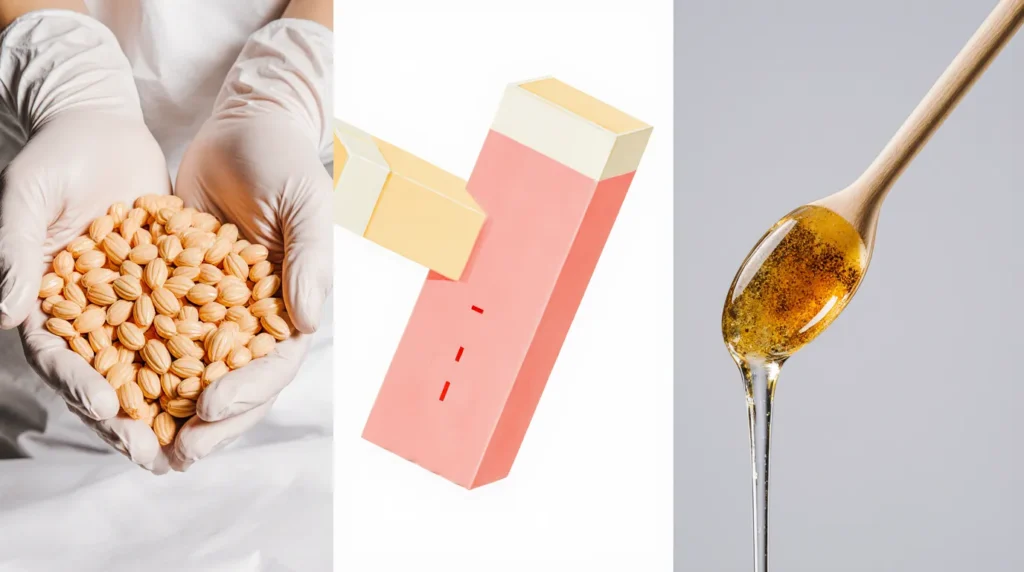
Managing wax-related challenges in industrial environments requires a multi-faceted approach combining chemical, mechanical, and design solutions. The implementation of these strategies helps maintain operational efficiency and prevents costly shutdowns.
Chemical Prevention Methods
- Pour point depressants (PPDs)
- Crystal modifiers
- Dispersants
- Wax inhibitors with polymer-based formulations
These chemical additives work by interfering with wax crystal formation, altering their structure, or preventing their adherence to pipeline surfaces. The selection of appropriate inhibitors depends on:
- Crude oil composition
- Operating temperature range
- Flow conditions
- Economic considerations
Pipeline Design Solutions
The strategic design of pipeline systems plays a crucial role in wax management:
- Thermal ManagementInsulation systems
- Heat tracing
- Buried pipeline depth optimization
- Flow OptimizationPipe diameter selection
- Flow velocity control
- Pressure drop calculations
Mechanical Intervention Techniques
Regular maintenance procedures include:
- Pigging operations with specialized cleaning tools
- Hot oiling treatments
- Mechanical scraping
- Ultrasonic technology applications
Monitoring and Control Systems
Smart monitoring solutions enable proactive wax management:
- Temperature sensors at critical points
- Pressure differential measurements
- Real-time flow rate monitoring
- Deposit thickness sensors
The integration of these strategies requires careful consideration of operational parameters and cost-effectiveness. Companies often develop customized wax management programs based on their specific needs and infrastructure requirements. Regular assessment and adjustment of these strategies ensure optimal performance and minimize the risk of wax-related complications.
Environmental and Safety Considerations Related to Wax Management
Inadequate wax management practices pose significant environmental and safety risks across industrial operations. The improper disposal of wax-contaminated materials can lead to:
- Soil Contamination: Wax deposits containing heavy metals and toxic compounds seep into surrounding soil
- Water System Impact: Discharge of wax-laden effluents affects aquatic ecosystems
- Air Quality Issues: Volatile organic compounds released during wax removal processes
The environmental footprint extends beyond immediate operational areas. Wax-contaminated waste materials often end up in landfills, creating long-term environmental challenges due to their non-biodegradable nature.
Safety hazards present equally critical concerns in industrial settings:
Pipeline Integrity Risks
- Sudden pressure buildup from blocked pipelines
- Potential ruptures leading to spills
- Equipment damage requiring costly repairs
Workplace Safety Concerns
- Slip hazards from wax accumulation on surfaces
- Fire risks during hot work maintenance
- Confined space dangers during cleaning operations
Recent industry data highlights the correlation between wax-related incidents and environmental violations. A study by the Environmental Protection Agency revealed that 35% of reported pipeline failures involved wax accumulation as a contributing factor.
Risk Mitigation Strategies
- Implementation of closed-loop wax recovery systems
- Regular environmental impact assessments
- Advanced monitoring technologies for early detection
- Proper training for maintenance personnel
- Development of emergency response protocols
The adoption of environmentally conscious wax management practices requires a balanced approach between operational efficiency and ecological responsibility. Companies investing in green technologies for wax handling report reduced environmental incidents and improved safety performance metrics.
Modern wax management systems incorporate:
- Biodegradable cleaning solutions
- Energy-efficient heating systems
- Waste minimization protocols
- Advanced filtration technologies
These environmental and safety considerations drive continuous improvement in wax management practices across industries.
Future Trends in Wax Research and Industry Applications
Research in wax control technologies continues to evolve, bringing groundbreaking solutions to age-old challenges. Scientists are developing smart polymers that respond to temperature changes, automatically adjusting their properties to prevent wax crystallization before it occurs.
Nano-engineered materials represent a significant breakthrough in wax management:
- Nanoparticle-based inhibitors create microscopic barriers that disrupt wax crystal formation
- Surface-modified nanostructures enhance the effectiveness of existing chemical treatments
- Graphene-based additives improve flow properties while reducing wax deposition
Advanced research focuses on bio-inspired solutions, including:
- Peptide-based wax inhibitors mimicking natural anti-freeze proteins
- Green alternatives derived from plant extracts
- Biodegradable polymer systems for sustainable wax control
The integration of artificial intelligence and machine learning algorithms enables:
- Real-time prediction of wax formation patterns
- Automated adjustment of treatment parameters
- Optimization of inhibitor formulations based on specific crude oil compositions
Emerging surface modification techniques utilize:
- Plasma-treated pipeline coatings
- Self-healing materials that repair microscopic damage
- Ultra-hydrophobic surfaces that resist wax adhesion
Research laboratories are exploring hybrid technologies combining multiple approaches:
- Nano-enhanced chemical inhibitors
- Smart coating systems with embedded sensors
- Electromagnetic field generators coupled with specialized additives
These innovations promise to revolutionize wax management across industries, from oil production to specialized manufacturing processes. The development of cost-effective, environmentally compatible solutions remains a primary focus of current research initiatives.
Conclusion
Understanding Wax Appearance Temperature (WAT) is crucial for various industries. It helps in making informed decisions, improving operations, and finding innovative solutions.
WAT WAX knowledge empowers industries to:
- Optimize Operations – Precise temperature control prevents costly disruptions
- Enhance Safety – Proactive wax management reduces equipment failures
- Drive Innovation – Understanding WAT principles catalyzes new technological solutions
- Protect Assets – Strategic planning based on WAT data extends infrastructure lifespan
WAT’s significance goes beyond its technical uses. Its principles influence areas like surface finishing and nanotechnology. By combining traditional wax applications with modern scientific insights, we open doors to groundbreaking solutions.
The future of WAT research holds promise:
- Smart monitoring systems integrating AI capabilities
- Sustainable wax management solutions
- Advanced materials with enhanced performance characteristics
- Innovative surface treatment technologies
As industries evolve, the importance of WAT WAX knowledge grows. It represents not only a scientific achievement but also human creativity in turning basic understanding into practical solutions.
The exploration of WAT WAX science continues, welcoming contributions from professionals and enthusiasts. Through ongoing research and application, WAT WAX will lead industrial progress, ensuring smoother operations and smarter solutions for future generations.
FAQs (Frequently Asked Questions)
What is Wax Appearance Temperature (WAT) and why is it important in crude oil handling?
Wax Appearance Temperature (WAT) refers to the temperature at which wax crystals begin to form in crude oil during cooling. Understanding WAT WAX is crucial for the oil industry because wax precipitation below this temperature can lead to operational challenges such as pipeline blockages and decreased equipment performance. Accurate measurement of WAT helps develop effective flow assurance strategies, ensuring smooth crude oil transportation and processing.
What are the different types of wax and their common industrial applications?
Wax types include natural waxes like carnauba wax and synthetic waxes, each possessing unique physical and chemical properties. In industrial settings, waxes are widely used for surface finishing applications due to their protective and aesthetic qualities. For example, carnauba wax is prized for its hardness and glossy finish, making it popular in automotive polish, cosmetics, and food coatings.
How is Wax Appearance Temperature (WAT) measured in the industry?
WAT is measured using both traditional and modern techniques guided by ASTM standards. Common methods include optical light scattering technology employed in automated analyzers that detect the onset of wax crystallization during controlled cooling. Recent advancements integrate smart sensors enabling real-time monitoring for more accurate and efficient WAT determination.
What strategies are used to manage wax deposition issues in pipelines?
To mitigate wax deposition problems, industries utilize chemical wax inhibitors that prevent crystal formation and deposition. Additionally, pipeline design considerations such as maintaining optimal temperature profiles help ensure flow assurance. Combining these approaches minimizes blockages, reduces maintenance costs, and enhances safety in crude oil transportation systems.
Beyond crude oil, how does knowledge of WAT apply to other industries?
The principles of Wax Appearance Temperature extend beyond crude oil to other paraffin systems like solvent mixtures used in petrochemical processing. Understanding waxing behavior is vital in material sciences for developing products with desired thermal properties and stability. This broader application underscores the importance of WAT knowledge across various fluid systems and industrial contexts.
What future trends are emerging in wax research related to WAT control?
Future trends include leveraging nanotechnology to develop innovative materials and additives that more effectively prevent or control waxing phenomena. Research focuses on enhancing surface treatments and inhibitor performance at the nanoscale level, promising improved flow assurance solutions. These advancements aim to address environmental concerns and optimize industrial processes involving wax management.





Comments