
Bright orange pearls cascade over sushi rolls in restaurants worldwide, adding a pop of color and a delightful crunch to every bite. These tiny, vibrant spheres are masago - the eggs of capelin fish that …
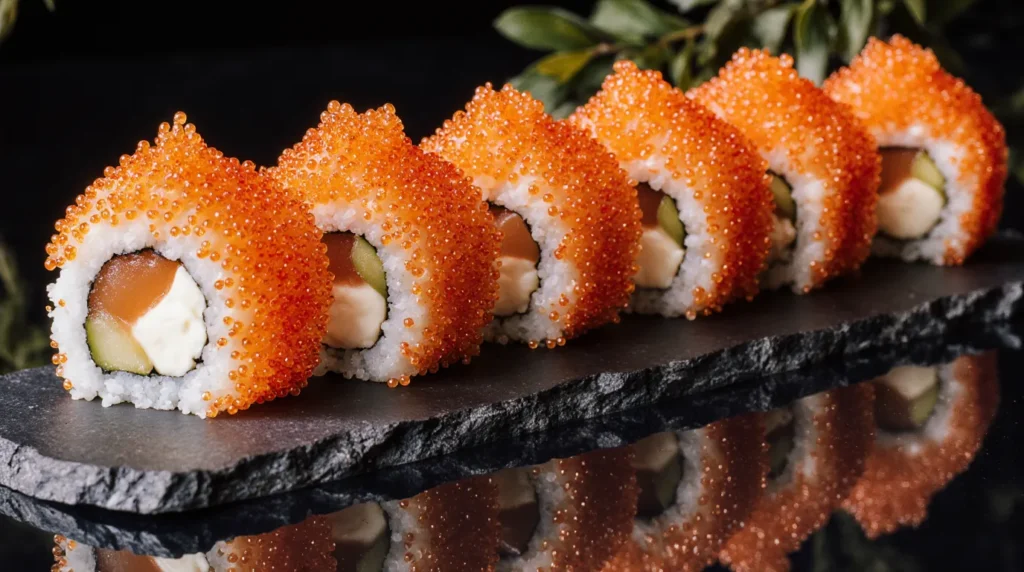

Bright orange pearls cascade over sushi rolls in restaurants worldwide, adding a pop of color and a delightful crunch to every bite. These tiny, vibrant spheres are masago – the eggs of capelin fish that have become a beloved staple in modern sushi cuisine.
As sushi’s popularity continues to soar in 2025, mas-ago has emerged as one of the most recognizable toppings, adorning everything from California rolls to spicy tuna creations. Its subtle saltiness and unique texture create an exciting sensory experience that enhances the overall sushi-eating adventure.
This small but mighty ingredient carries a fascinating story – from its origins in the cold waters of the North Atlantic and Pacific oceans to its journey onto our plates. Whether you’re a sushi enthusiast or simply curious about this distinctive topping, understanding mas-ago opens up a world of culinary possibilities.
In this comprehensive guide, we’ll dive deep into:
- The true nature of masago and its source
- Creative culinary applications beyond traditional sushi
- Essential health benefits and nutritional value
- Important considerations for consumption
- Different varieties and proper storage methods
- Sustainable sourcing practices
Join us as we explore the captivating world of masago and discover why this tiny fish roe has made such a significant impact on modern cuisine.
Table of Contents
Understanding Masago: The Delicate Roe of Capelin Fish
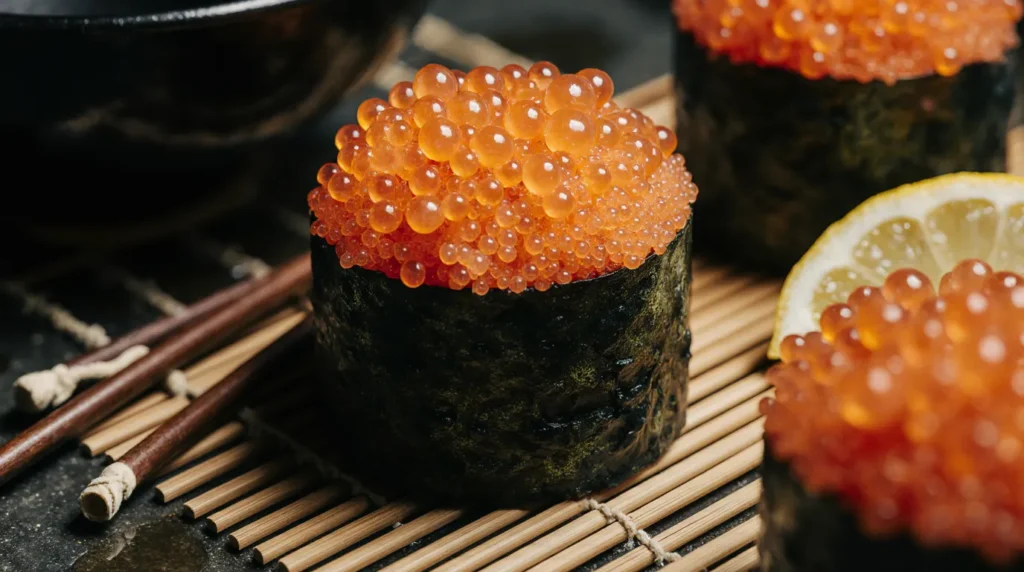
Mas-ago originates from the capelin fish (Mallotus villosus), a small, silvery-green species belonging to the smelt family. These remarkable fish inhabit the cold waters of the North Atlantic, North Pacific, and Arctic oceans, where they play a crucial role in marine ecosystems. Female capelin produce their eggs once during their lifetime, typically between 2-4 years of age, before completing their natural life cycle.
The harvesting process of mas-ago involves collecting roe from female capelin during their spawning period. These tiny eggs measure approximately 1mm in diameter and naturally display a pale yellow color, though they’re often dyed various shades of orange, red, or green for commercial use.
Nutritional Profile of Masago
These small orange pearls pack a powerful nutritional punch:
- Protein Content: Complete protein source with essential amino acids
- Omega-3 Fatty Acids: Rich in EPA and DHA
- Vitamins:
- B12 (supports nerve health)
- C (antioxidant properties)
- E (skin health)
- B2 (energy production)
- Folate (cell growth)
- Minerals:
- Selenium
- Magnesium
- Phosphorus
A single serving (28g) of masago contains approximately:
- 40 calories
- 4g protein
- 2g fat
- 2g carbohydrates
Comparing Masago with Other Fish Roe
Mas-ago presents unique characteristics when compared to other popular fish roe:
Texture Profile
- Masago: Semi-crunchy, delicate texture with small bead size
- Tobiko (flying fish roe): Firmer, crunchier with larger beads
- Ikura (salmon roe): Much larger, bursting texture with intense flavor
- Caviar: Soft, buttery consistency with complex flavor profile
Taste Distinctions
- Masago: Mild, slightly sweet with subtle salt
Masago in Culinary Creations: Beyond Sushi Rolls
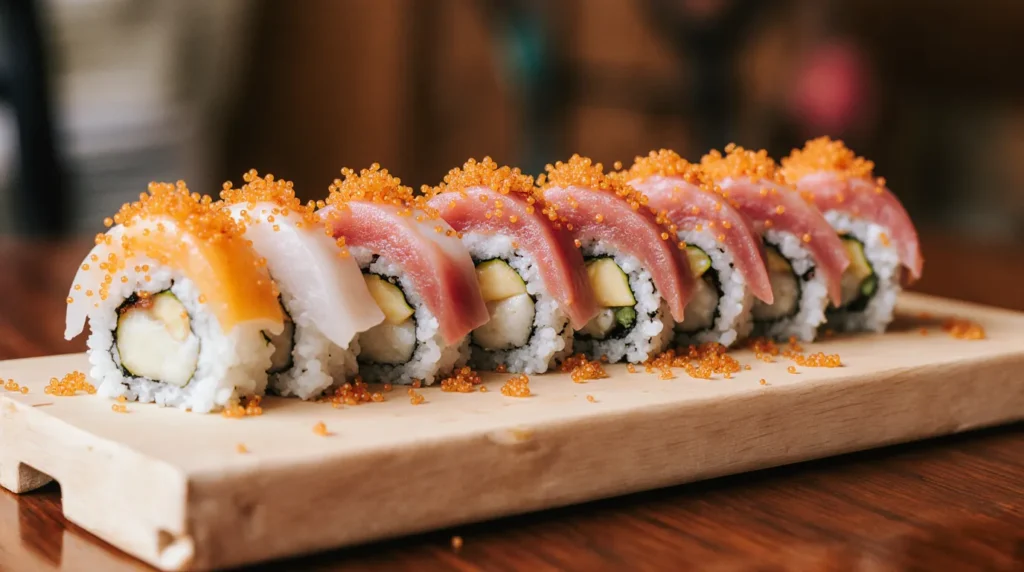
Masago shines brightest in Japanese cuisine, where it plays a starring role in various sushi creations. These tiny orange pearls create an eye-catching garnish on classic California rolls, adding both visual appeal and a delightful textural contrast. In nigiri preparations, masago creates a beautiful crown atop hand-pressed rice, often paired with fresh seafood to enhance the oceanic flavors.
Traditional Sushi Applications:
- California Roll Exterior – Creating a striking orange coating
- Spicy Tuna Roll Filling – Mixed with sriracha mayo and fresh tuna
- Dragon Roll Topping – Complementing eel and avocado
- Temaki Hand Rolls – Adding crunch and color to cone-shaped delights
The culinary potential of masago extends far beyond the sushi counter. Creative chefs have discovered numerous ways to incorporate these flavorful eggs into diverse dishes.
Innovative Culinary Uses:
- Seafood pasta enhancement
- Rice bowl garnish
- Poke bowl topping
- Seafood salad ingredient
- Asian-inspired canapés
Masago’s versatility shines in sauce creation. Its natural saltiness and umami qualities make it an excellent addition to various dressings and condiments:
Sauce Applications:
- Spicy Mayo Base – Mixed with Japanese mayonnaise and hot sauce
- Creamy Pasta Sauce – Incorporated into carbonara or alfredo
- Asian Vinaigrettes – Blended with rice vinegar and sesame oil
- Tartare Sauce – Added to traditional recipes for extra depth
The tiny eggs also work beautifully as a garnish for:
- Grilled fish
- Seafood chowders
- Asian-style deviled eggs
- Smoked salmon canapés
- Raw oysters
Masago’s ability to enhance both flavor and presentation makes it a valuable ingredient in modern fusion cuisine. Its subtle crunch and briny taste add complexity to dishes while its vibrant orange hue creates visual interest on the plate.
Creative Pairings:
The Health Benefits and Considerations of Enjoying Masago
Masago packs a powerful nutritional punch in its tiny orange spheres. These nutrient-dense fish eggs deliver an impressive array of health benefits:
Key Nutritional Benefits
- Rich source of complete protein with essential amino acids
- High concentration of omega-3 fatty acids EPA and DHA
- Abundant in vitamin B12, supporting nerve health
- Contains selenium, a vital antioxidant mineral
- Provides vitamins C, E, B2, and folate
The protein content in masago supports muscle maintenance and repair, while its omega-3 fatty acids play crucial roles in:
- Brain function and development
- Heart health maintenance
- Inflammation regulation
- Blood clotting optimization
Studies have also shown that the consumption of fish roe like masago may contribute to improved cognitive function and mental health due to its rich nutrient profile source.
Health Considerations
The sodium content in mas-ago requires careful attention. A single serving can contain significant amounts of salt due to processing methods and added ingredients. People monitoring their sodium intake should consider these guidelines:
- Limit portion sizes to 1-2 tablespoons per serving
- Balance mas-ago consumption with low-sodium foods
- Request reduced-sodium options when available
- Rinse masago lightly before use to reduce salt content
Allergen Awareness
Fish roe allergies can manifest through various symptoms:
- Skin reactions (hives, itching)
- Digestive issues
- Respiratory problems
- Anaphylaxis in severe cases
Individuals with existing seafood allergies should exercise particular caution with mas-ago. The vitellogenin protein found in fish egg yolk can trigger allergic responses even in people who typically tolerate other seafood.
Additional Considerations
Masago often contains additives that may affect sensitive individuals:
- Monosodium glutamate (MSG)
- Food coloring agents
- High fructose corn syrup
- Soy-based ingredients
Pregnant women should consult healthcare providers regarding masago consumption, as raw fish products may carry specific risks. Those with compromised immune systems might need to evaluate their consumption of raw seafood products, including masago.
The low mercury content compared to larger fish species makes masago a safer choice for regular consumption, provided sodium intake remains monitored.
Exploring Varieties and Proper Storage Techniques for Masago Enthusiasts
Proper storage techniques play a crucial role in maintaining mas-ago’s distinctive texture and flavor. Fresh mas-ago requires specific temperature conditions to preserve its quality and prevent spoilage.
Storage Guidelines for Maximum Freshness:
- Freezer Storage: Keep mas-ago frozen at 0°F (-17.8°C) or below
- Storage Duration: Maintains quality up to 9 months when frozen
- Packaging: Store in airtight containers to prevent freezer burn
- Thawing Process: Transfer to refrigerator 24 hours before use
- Refrigeration: Once thawed, use within 3-4 days
- Temperature Range: Keep refrigerated between 32-38°F (0-3°C)
Signs of Fresh Mas-ago:
- Bright, uniform color
- Firm, separate eggs
- Mild ocean scent
- No discoloration or off-odors
The mas-ago market offers an exciting array of flavored varieties, each bringing unique characteristics to culinary creations. These variations expand mas-ago’s versatility beyond traditional applications.
Popular Masago Varieties:
- Classic Orange: Natural color, mild slightly salty taste, traditional sushi application
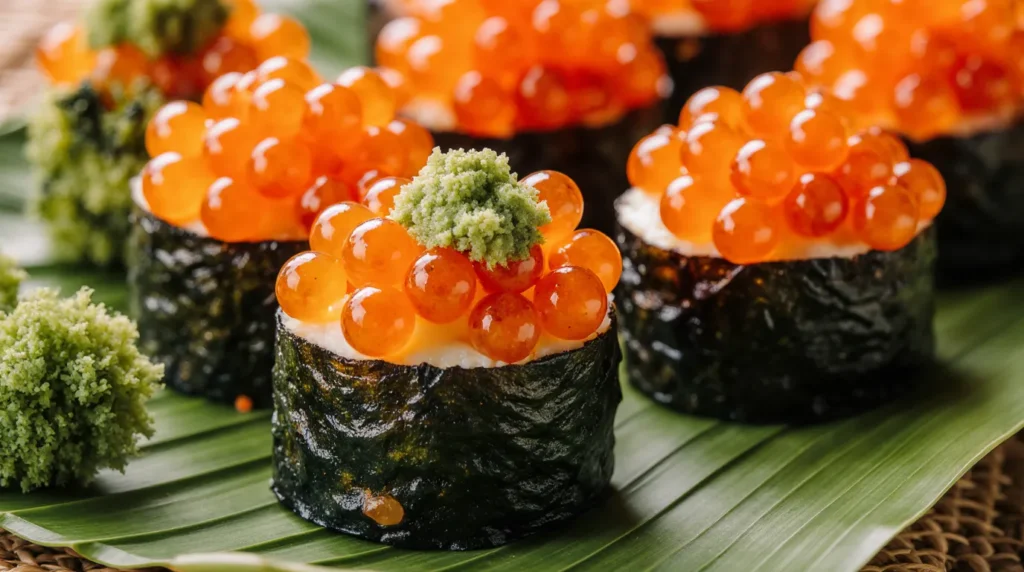
- Wasabi-Infused: Light green color, spicy kick, perfect for fusion rolls
- Squid Ink: Deep black appearance, rich umami flavor, dramatic plating element
- Citrus-Enhanced: Golden hue, bright zesty notes, pairs with lighter fish
- Ginger-Flavored: Pale orange shade, subtle heat, complements rich rolls
Storage Container Recommendations:
- Glass containers with tight-fitting lids
- BPA-free plastic containers
- Original packaging with proper sealing
- Vacuum-sealed bags for bulk storage
Professional chefs recommend portioning mas-ago into smaller containers before freezing. This practice minimizes repeated thawing and refreezing cycles that can compromise quality.
By understanding the various types of mas-ago available and implementing appropriate storage techniques, enthusiasts can fully appreciate this delicacy while ensuring its longevity in their culinary repertoire.
Sourcing Sustainable Mas-ago: A Call for Responsible Consumption
The rising popularity of masago brings significant environmental challenges to the forefront. Capelin fishing practices have raised concerns among marine biologists and environmental organizations due to their potential impact on ocean ecosystems.
Key Environmental Challenges:
- Disruption of marine food chains as capelin serves as a crucial food source for larger fish, seabirds, and marine mammals
- Bycatch issues affecting non-target species, including endangered marine life
- Overfishing risks in certain regions, particularly during spawning seasons
- Habitat destruction from certain fishing methods
The current state of capelin populations varies by region. North Atlantic stocks have experienced fluctuations, with some areas showing declining numbers. These changes affect not just the capelin population but the entire marine ecosystem that depends on these small but vital fish.
Sustainable Sourcing Guidelines:
- Look for CertificationMSC (Marine Stewardship Council) certified products
- ASC (Aquaculture Stewardship Council) approved sources
- Local certification programs specific to your region
- Check OriginIceland and Norway maintain stricter fishing regulations
- Some Canadian fisheries follow sustainable practices
- Avoid sources from regions with poor fishing management records
- Research SuppliersVerify transparency in sourcing methods
- Seek companies with published sustainability commitments
- Support businesses that engage in responsible fishing practices
Local fish markets and specialty stores often provide detailed information about their mas-ago sources. When purchasing, ask questions about:
- Fishing methods used
- Source location
- Sustainability certifications
- Company’s environmental policies
Some suppliers now use QR codes or tracking systems that allow consumers to trace their mas-ago’s journey from ocean to plate. This transparency helps make informed purchasing decisions while supporting responsible fishing practices.
The development of alternative sourcing methods, including potential aquaculture solutions, shows promise for reducing pressure on wild capelin populations. Research institutions and fishing industry stakeholders continue working on innovative approaches to ensure long-term sustainability of masago production.
Choosing sustainably sourced masago creates market pressure for better fishing practices. This consumer-driven demand encourages fishing companies to adopt more environmentally conscious methods and helps protect vulnerable marine ecosystems.
To further understand the importance of sustainable practices in aquaculture, you can explore this comprehensive resource which delves into various aspects of responsible aquaculture and its role in preserving marine biodiversity.
Conclusion
Mas-ago is an amazing ingredient that adds excitement to dishes and offers nutritional benefits. These small orange fish eggs can turn simple meals into beautiful works of art while providing essential nutrients like omega-3 fatty acids and protein.
Beyond Sushi: Creative Ways to Use Mas-ago
Mas-ago can be used in many ways beyond its traditional use in sushi. Here are some ideas for creative home cooks:
- Sprinkle it on rice bowls for added texture
- Mix it into seafood-based pasta dishes
- Use it as a garnish for canapés
- Incorporate it into Asian-inspired salad dressings
Mindful Enjoyment: Balancing Unique Qualities with Consumption
To fully enjoy mas-ago, it’s important to find a balance between its distinct qualities and mindful consumption. This means:
- Choosing sustainably sourced options
- Incorporating this ingredient thoughtfully into meals
By doing so, food enthusiasts can appreciate its one-of-a-kind flavor while also supporting responsible fishing practices.
Endless Possibilities: Elevating Culinary Creations with Masago
Whether you’re a sushi lover or an adventurous home cook, mas-ago opens up a world of possibilities for enhancing your culinary creations. Its delicate crunch, subtle saltiness, and vibrant color make it a valuable addition to any kitchen.
Start by experimenting with small amounts of mas-ago in familiar dishes, then gradually explore new recipes as you become more comfortable using it.
Proper Storage and Responsible Sourcing: Ensuring Future Enjoyment
Remember to store your mas-ago correctly and buy from trusted suppliers who prioritize sustainable fishing practices. By doing this, we can ensure that future generations will also have the opportunity to enjoy this incredible ingredient.
FAQs (Frequently Asked Questions)
What is mas-ago and why is it popular as a sushi topping?
Mas-ago is the roe of the capelin fish, known for its delicate texture and vibrant color. It is popular as a sushi topping because it enhances flavors, adds visual appeal, and provides a unique culinary experience.
What are the nutritional benefits of consuming masago?
Masago is rich in protein, omega-3 fatty acids, vitamins, and minerals. These nutrients contribute to heart health, support brain function, and provide essential dietary elements, making mas-ago a nutritious addition to your diet.
How is masago traditionally used in culinary dishes beyond sushi rolls?
Traditionally, mas-ago is used in sushi rolls and nigiri to enhance flavor and presentation. Beyond this, it can be incorporated into sauces or used as a garnish for various dishes to add texture and a burst of umami flavor.
Are there any health considerations to keep in mind when enjoying mas-ago?
While masago offers health benefits like high protein content and beneficial fatty acids, it also contains sodium which should be consumed in moderation. Additionally, individuals allergic to fish roe should exercise caution due to potential allergic reactions.
How should masago be stored to maintain its freshness?
Masago should be stored properly either frozen or refrigerated. Keeping it at the correct temperature helps preserve its delicate texture and flavor. Following storage guidelines ensures that mas-ago remains fresh for culinary use.
What should consumers know about sourcing sustainable masago?
Sustainable sourcing of mas-ago is important due to ecological concerns related to capelin fishing practices. Consumers are encouraged to seek out sustainably sourced mas-ago products to support responsible fishing and protect marine ecosystems.





Comments