Did you know that over 1,200 varieties of watermelon exist on the market today, including the surprisingly sweet yellow watermelon? While most of us are familiar with the classic red flesh variety, yellow watermelons actually …

Did you know that over 1,200 varieties of watermelon exist on the market today, including the surprisingly sweet yellow watermelon?
While most of us are familiar with the classic red flesh variety, yellow watermelons actually represent some of the oldest watermelon types, first traced back to Africa approximately 5,000 years ago. Unlike their red counterparts, yellow watermelons don’t contain lycopene, the antioxidant responsible for the traditional red color. Instead, their vibrant golden flesh comes from beta-carotene, another powerful antioxidant.
What makes yellow watermelon vs red watermelon comparison particularly interesting is that the yellow-fleshed varieties are generally sweeter, offering a distinct honey-like flavor profile. Additionally, yellow watermelon benefits mirror those of traditional watermelon—it’s over 90% water, making it excellent for hydration, while containing just 46 calories per cup.
In this article, we’ll explore everything you need to know about this golden fruit—from what a yellow-watermelon actually is, to its unique taste, nutritional value, and the best ways to enjoy this refreshing summer treat. Let’s dive into the sweet, soothing, and surprising world of yellow flesh watermelon!
Table of Contents
What is Yellow Watermelon?
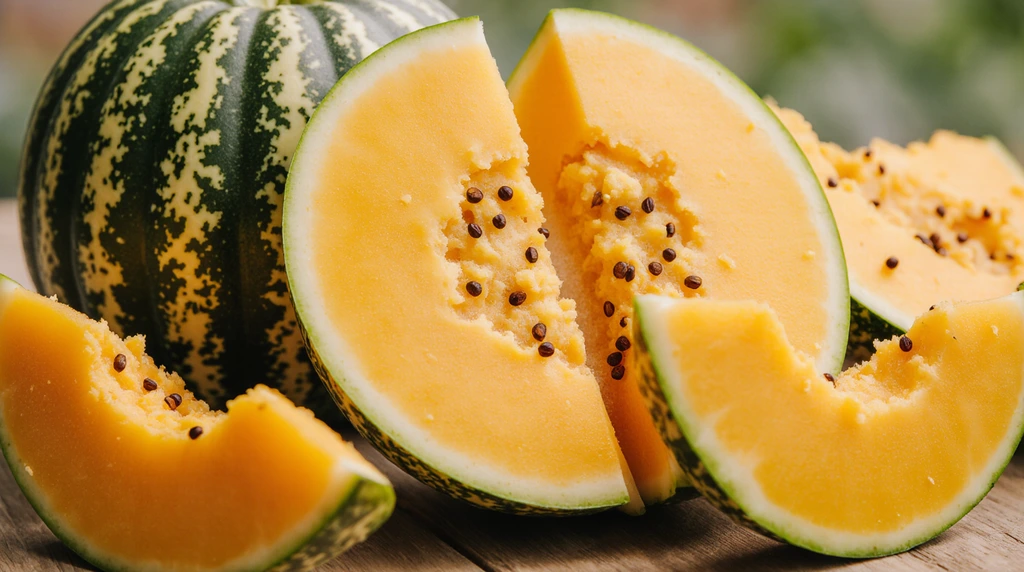
https://becalmore.xyz/Yellow watermelon is a fascinating fruit that shares the same species (Citrullus lanatus) as its red cousin. The exterior appearance might fool you—both varieties sport the same green rind with darker stripes. However, slice one open, and you’ll discover a vibrant golden-yellow interior that contrasts beautifully with the familiar red flesh most people expect.
How it differs from red watermelon
The most obvious distinction between yellow watermelon and red watermelon is, naturally, the color of the flesh. Nevertheless, there are other noteworthy differences. Yellow varieties often provide a sweeter eating experience with distinctive honey-like notes and subtle hints of apricot. Moreover, yellow watermelons typically have a slightly thicker rind than red ones.
From a nutritional perspective, both types share similar water content, calorie counts, and core nutrients. However, they differ in their antioxidant profiles. Yellow-watermelon contains more vitamin A due to its beta-carotene concentration and tends to have higher levels of vitamin B6, which supports brain function and energy conversion.
Why it has yellow flesh instead of red
The science behind the color difference is straightforward—yellow watermelon lacks lycopene, the antioxidant that gives red watermelons (and tomatoes) their characteristic rosy hue. Instead, yellow watermelon gets its golden color from beta-carotene, the same compound responsible for the orange color in carrots and sweet potatoes.
This distinction is significant because beta-carotene serves as a precursor to vitamin A in our bodies, supporting vision, skin health, and immune function. Consequently, yellow-watermelon offers slightly different nutritional benefits compared to its red counterpart.
Is it natural or genetically modified?
Rest assured, yellow watermelon is completely natural. In fact, yellow varieties were initially cultivated before red ones, first appearing in Africa approximately 5,000 years ago. Throughout history, watermelons underwent generations of selective cross-breeding for color, texture, and sweetness, which eventually led to the development of pink and red varieties as their lycopene content increased.
Furthermore, it’s worth noting that there are no commercially available GMO watermelons of any color on the market. The yellow flesh is simply a natural mutation, and yellow-watermelons occur naturally in several varieties including Yellow Crimson, Desert King Yellow, and Yellow Doll.
Taste and Nutrition Facts
The taste of yellow watermelon offers a delightful surprise for those accustomed to traditional red varieties. Let’s explore what makes this golden fruit special from a flavor and nutritional perspective.
Yellow watermelon taste profile
Bite into a yellow watermelon and you’ll immediately notice its distinct flavor profile. Essentially sweeter than red watermelon, yellow varieties deliver a mellow taste with subtle notes of honey and apricot. This naturally occurring sweetness creates a more pronounced flavor that some describe as less tangy than red watermelon. Notably, despite their color difference, yellow-watermelons maintain the same refreshing juiciness that makes watermelon a summer favorite. The flesh itself appears in shades ranging from pale yellow to gold, sometimes even yellow-orange, offering a crisp, tender, and succulent eating experience.
Nutritional breakdown per cup
One cup (152g) of yellow watermelon contains just 46 calories, making it an excellent low-calorie snack option. The nutritional profile includes:
- Carbohydrates: 11.5-12g
- Protein: 0.9-1g[73]
- Fat: 0.2g[73]
- Fiber: 0.6g[73]
- Sugar: 9.4-10g[73]
- Water content: Over 90%
Yellow-watermelon provides significant amounts of vitamins and minerals, specifically vitamin C (12-15% DV), vitamin A from beta-carotene (10-15% DV), potassium (170mg, 4% DV), and small amounts of magnesium (3-4% DV).
Benefits of yellow watermelon for hydration and immunity
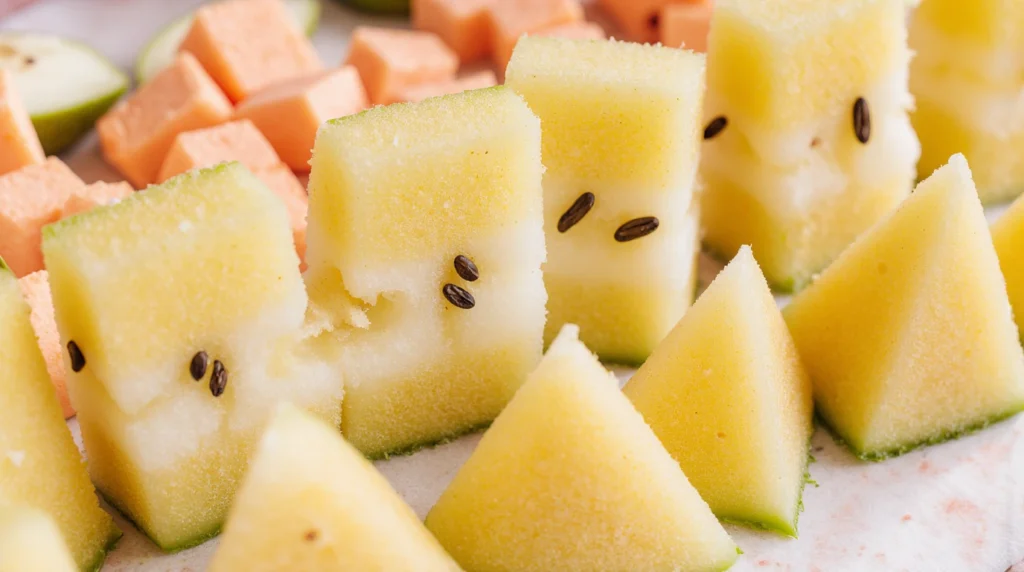
Firstly, with its 90%+ water content, yellow watermelon excels at hydration. This high water percentage helps maintain fluid balance, especially during hot summer months when dehydration risks increase.
Secondly, yellow watermelon significantly supports immune function through its vitamin C content, which enhances white blood cell production—essential for fighting infections. What distinguishes yellow-watermelon from red varieties is its higher beta-carotene concentration—the pigment responsible for its golden hue. This powerful antioxidant converts to vitamin A in the body, supporting eye health, skin integrity, and immune function.
Although lacking lycopene (found in red watermelon), yellow-watermelon compensates with other health-promoting compounds like citrulline, which helps reduce muscle soreness and supports heart health.
Types, Origins, and Cultivation
The fascinating world of yellow watermelon extends far beyond its unique color and flavor profile. As we explore its varieties, history, and growing requirements, a richer picture of this ancient fruit emerges.
Popular yellow watermelon varieties
Several distinct yellow-watermelon varieties grace today’s markets and gardens. ‘Yellow Crimson’ represents the most commonly available variety, appearing identical to the traditional red ‘Crimson Sweet’ from the outside but revealing bright yellow flesh that tastes even sweeter. The ‘Buttercup’ variety stands out as possibly the sweetest option, being a seedless hybrid ranging from 14 to 16 pounds with exceptionally high sugar content.
For those seeking drought resistance, ‘Desert King’ offers yellow-to-orange flesh with a tangy taste and grows to approximately 20 pounds. Home gardeners often prefer ‘Yellow Doll’ (also called ‘Yellow Baby Doll’), which matures earlier than other varieties, weighing only 5-7 pounds yet offering dense, sweet flesh.
Larger options include ‘Mountain Sweet Yellow,’ an impressive heirloom variety yielding fruits between 25-35 pounds with classic striped rinds.
Where yellow watermelon comes from
Historically, yellow watermelons predate their red cousins. Originally cultivated in Africa approximately 5,000 years ago, watermelons first grew wild in desert areas of southern Africa. Subsequently, they spread to North Africa and Egypt, where they were domesticated and harvested.
Throughout the millennia, watermelons journeyed across continents, reaching China by the 10th century and Europe around the same time via Moorish traders. By the 1600s, watermelons had arrived in the American South through European colonization and the slave trade. Since then, both red and yellow varieties have thrived in temperate environments like Florida, Georgia, and Texas.
How to grow yellow watermelon at home
Growing yellow watermelon requires attention to several key factors. These heat-loving plants thrive in well-drained, sandy soil with full sun exposure. Plant seeds outdoors once soil temperatures reach at least 70°F, typically two weeks after the last frost.
Create soil mounds 6-8 inches high, spacing rows at least 4 feet apart and individual mounds 3 feet apart. Plant 2-3 seeds per mound, about 6 inches apart, then thin to the strongest seedling after germination.
Traditionally, yellow-watermelon vines sprawl 6-8 feet within 30 days, producing their first fruits within 60 days. The entire growing cycle spans approximately 80-90 days, with fruits harvested once fully mature—they won’t ripen further after picking.
How to Pick, Store, and Use It
Selecting the perfect yellow watermelon requires attention to specific details that ensure you get the sweetest, juiciest fruit possible. Whether shopping at a farmers market or grocery store, knowing what to look for makes all the difference.
How to choose a ripe yellow watermelon
Finding a ripe yellow-watermelon involves using multiple senses:
- Look for the yellow spot (also called the ground spot or field spot). A deep, buttery yellow spot indicates the melon ripened properly on the vine. If the spot is white or pale green, the watermelon was harvested too early.
- Choose a watermelon that feels heavy for its size—this indicates juicy, water-rich flesh.
- Tap the watermelon gently. A ripe one produces a hollow, resonant sound rather than a dull thud.
- Select a melon with a dull, waxy-looking exterior rather than a glossy one. The rind should be firm with well-developed stripes.
Storage tips for whole and cut fruit
Proper storage preserves your yellow-watermelon’s sweet flavor and crisp texture:
Whole melons stay freshest at 55°F—warmer than refrigerator temperature. At room temperature, they remain good for 1-2 weeks. For longer storage, refrigeration extends life to 2-3 weeks, though flavor may diminish slightly.
Once cut, yellow-watermelon should be stored in an airtight container in the refrigerator, where it will remain fresh for 3-5 days. Surprisingly, glass containers outperform other storage methods, keeping cut watermelon crisp for up to 8 days.
Creative ways to use yellow watermelon in recipes
Yellow watermelon’s honey-like sweetness makes it versatile in the kitchen. Besides enjoying it fresh, try:
- Creating refreshing smoothies, frescas, or summery cocktails like margaritas
- Pairing with herbs (basil, cilantro, mint), cheeses (feta, goat, mozzarella), or spices for sweet-savory salads
- Grilling slices for a caramelized flavor that complements both savory dishes and desserts
- Freezing cubes for a cooling treat or blending into sorbets
The subtle honey and apricot notes of yellow-watermelon particularly complement citrus, berries, and tropical flavors in fruit salads or desserts.
Conclusion
Yellow watermelon truly stands as a remarkable fruit with a fascinating history dating back 5,000 years. Throughout this article, we’ve discovered that this golden-fleshed variety actually predates the more familiar red watermelon most people recognize today. Surprisingly, despite its different color, yellow-watermelon shares the same species and exterior appearance as red watermelon—only revealing its golden secret when cut open.
The distinctive honey-like sweetness and subtle apricot notes make yellow watermelon a delightful alternative to its red counterpart. Additionally, its nutritional profile offers unique benefits, particularly through its beta-carotene content, which supports vision, skin health, and immune function. Though it lacks the lycopene found in red varieties, yellow-watermelon certainly compensates with its own impressive nutritional advantages.
From a practical standpoint, selecting a ripe yellow-watermelon requires attention to several key indicators—most importantly that deep yellow ground spot that signals perfect ripeness. After that, proper storage ensures you’ll enjoy its refreshing sweetness for days or even weeks.
Above all, yellow-watermelon’s versatility shines in the kitchen, where it can transform ordinary recipes into extraordinary culinary experiences. Whether enjoyed fresh in slices, blended into smoothies, grilled for caramelization, or paired with complementary flavors, this fruit offers endless possibilities.
Therefore, next time you spot this golden treasure at your local market or farm stand, remember its ancient origins and surprising benefits. Yellow watermelon certainly deserves a place in your summer fruit rotation—not just as a novelty, but as a delicious, nutritious, and historically significant addition to your healthy eating repertoire.
Key Takeaways
Yellow watermelon offers a surprisingly sweet alternative to traditional red varieties, with unique nutritional benefits and fascinating ancient origins that make it worth discovering.
• Yellow-watermelon is naturally sweeter than red varieties, featuring honey-like and apricot notes due to higher sugar content and different antioxidant composition.
• This golden fruit contains beta-carotene instead of lycopene, providing more vitamin A for eye health and immune support while maintaining the same hydration benefits.
• Yellow watermelons are completely natural and actually predate red varieties by thousands of years, originating in Africa around 5,000 years ago.
• Choose ripe yellow-watermelon by looking for a deep buttery-yellow ground spot, heavy weight, and dull exterior—store whole at 55°F for optimal flavor.
• Beyond fresh eating, yellow watermelon excels in smoothies, grilled preparations, and sweet-savory combinations with herbs and cheeses for creative culinary applications.
With over 90% water content and just 46 calories per cup, yellow-watermelon delivers exceptional hydration and nutrition while offering a unique taste experience that’s both refreshing and naturally sweet.
FAQs
Q1. What are the health benefits of yellow watermelon? Yellow watermelon is rich in beta-carotene, which supports eye health, skin integrity, and immune function. It’s also excellent for hydration, low in calories, and contains vitamins C and B6, as well as potassium and magnesium.
Q2. How does yellow watermelon differ from red watermelon? Yellow watermelon is generally sweeter with a honey-like flavor and subtle apricot notes. It contains beta-carotene instead of lycopene, giving it its yellow color and slightly different nutritional profile. The rind is typically thicker than red varieties.
Q3. Is yellow watermelon natural or genetically modified? Yellow watermelon is completely natural and not genetically modified. In fact, yellow varieties are some of the oldest types of watermelon, traced back to Africa approximately 5,000 years ago.
Q4. How do I choose a ripe yellow watermelon? Look for a deep, buttery yellow spot on the rind (called the ground spot), which indicates proper ripening. The melon should feel heavy for its size, have a dull exterior, and produce a hollow sound when tapped gently.
Q5. What are some creative ways to use yellow watermelon in recipes? Beyond eating it fresh, yellow watermelon can be used in smoothies, cocktails, grilled for a caramelized flavor, or paired with herbs and cheeses in salads. Its sweet flavor also complements citrus and tropical fruits in desserts and fruit salads.